Blog

Why Choose a Central Venous Catheter Kit?

Why Choose a Central Venous Catheter Kit?

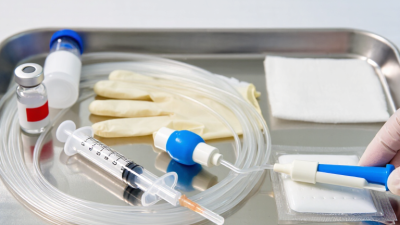
Choosing a Central Venous Catheter Kit is a patient-safety decision, not merely a purchasing preference. Central-line insertion involves several small actions: hand hygiene, skin antisepsis, sterile draping, catheter placement, dressing, and documentation. Missing one step can contaminate the field. A loose cap or torn wrapper may matter. The CDC’s Guidelines for the Prevention of Intravascular Catheter-Related Infections recommend maximal sterile barriers and appropriate skin preparation during central-line insertion. Its National Healthcare Safety Network also tracks central-line-associated bloodstream infection as a key hospital safety measure. AHRQ’s CUSP and Keystone ICU initiatives showed that standardized processes, supported by checklists and team accountability, can substantially reduce CLABSI rates. These findings support kits that place essential components together, with clear packaging and fewer interruptions. Peter Pronovost, whose ICU safety research influenced central-line practice, said, “We need to make it easier for people to do the right thing.” A well-designed Central Venous Catheter Kit follows that principle. It can reduce preparation time, support aseptic technique, and improve supply consistency across procedure rooms. However, the kit is not magic. Training, competency assessment, product quality, and local protocol still determine outcomes. Some kits may include unnecessary items, while others may lack components required by a hospital’s policy. That weakness deserves honest review. The right choice should reflect clinical evidence, staff experience, catheter type, infection-prevention requirements, and reliable supplier support. A careful evaluation asks a practical question: does this kit make safe practice easier at the bedside?
Read more »
Ethan Carter By:Ethan Carter - September 17, 2026
Why Choose a Blood Tubing Set for Global Buyers?

Why Choose a Blood Tubing Set for Global Buyers?

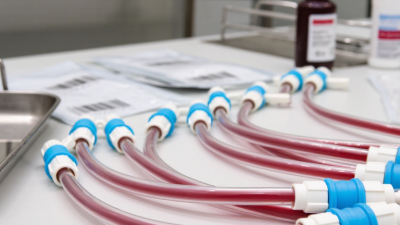
For global buyers, choosing a Blood Tubing Set involves more than comparing unit prices. The set must support safe, consistent fluid handling throughout the intended clinical workflow. Buyers often examine tubing flexibility, connector security, internal diameter, and resistance to kinking. Small details matter. A poorly positioned clamp can slow preparation. An unclear label can delay identification. Practical evaluation should include product samples, packaging inspection, and feedback from trained users. These steps reveal issues that product brochures may not show. Reliable sourcing also depends on documented manufacturing controls, traceable batch information, and responsive supplier communication. Buyers should request specifications, inspection records, and applicable quality certifications before approval. Requirements can differ between hospitals, distributors, and destination markets. Therefore, purchasing teams should confirm compatibility with their equipment and local requirements. Experienced suppliers can explain material selection, sterilization methods, shelf-life data, and transport conditions without making unsupported promises. No product is perfect. A careful review should acknowledge that performance may vary with storage, handling, and equipment settings. A tubing set that works well in one system may require further testing in another. Shipping damage, changing lead times, or incomplete documents can also create avoidable pressure. Clear agreements help reduce these risks. Global buyers need dependable quality, honest communication, and evidence-based decisions. The right Blood Tubing Set is not simply the cheapest option. It is the option that performs consistently, arrives traceably, and fits the buyer’s real operating environment.
Read more »

Ethan Carter By:Ethan Carter - September 17, 2026
What Is a Hemodialysis Catheter Kit Used For?

What Is a Hemodialysis Catheter Kit Used For?

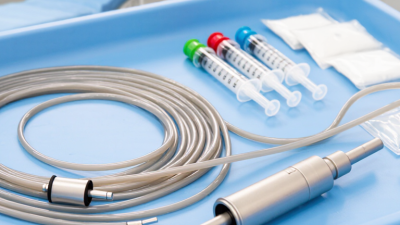
A Hemodialysis Catheter Kit is used to establish temporary vascular access for hemodialysis. It supports the removal and return of blood during kidney replacement therapy. Clinicians may use this access when a patient needs urgent dialysis or lacks a mature arteriovenous fistula. The kit commonly contains a dialysis catheter, introducer needle, guidewire, dilators, syringes, caps, sterile drapes, and skin antiseptic supplies. Each component supports a controlled insertion process. The catheter usually enters a large central vein, often in the neck or chest area. Its two lumens separate blood withdrawal from blood return. This design helps maintain the dialysis circuit. Small details matter. A trained healthcare professional selects the catheter size and insertion site according to the patient’s condition. Ultrasound guidance may help improve placement accuracy and reduce avoidable complications. Staff also inspect the packaging, confirm sterility, prepare the skin carefully, and maintain aseptic technique throughout the procedure. These steps help lower the risk of infection, bleeding, air entry, and vessel injury. However, the kit itself does not make the procedure safe. Clinical judgment, monitoring, and correct aftercare remain essential. Catheter function may change with patient movement, clot formation, or poor positioning. That reality is sometimes underestimated. This guide will explain what a Hemodialysis Catheter Kit contains, how its components support catheter placement, and why proper handling matters in professional dialysis care. Information should complement, not replace, institutional protocols and qualified medical supervision.
Read more »
Ethan Carter By:Ethan Carter - September 17, 2026