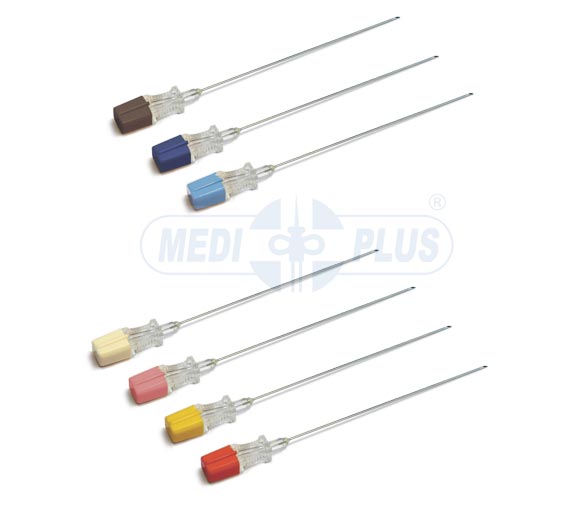
Endotracheal Tube & Needle Series
Complete airway and spinal anesthesia kits with precision molded connectors.

Engineered for critical care airway management, emergency intubation, and surgical anaesthesia. Manufactured in ISO Class 7/8 cleanrooms in Ahmedabad, India.
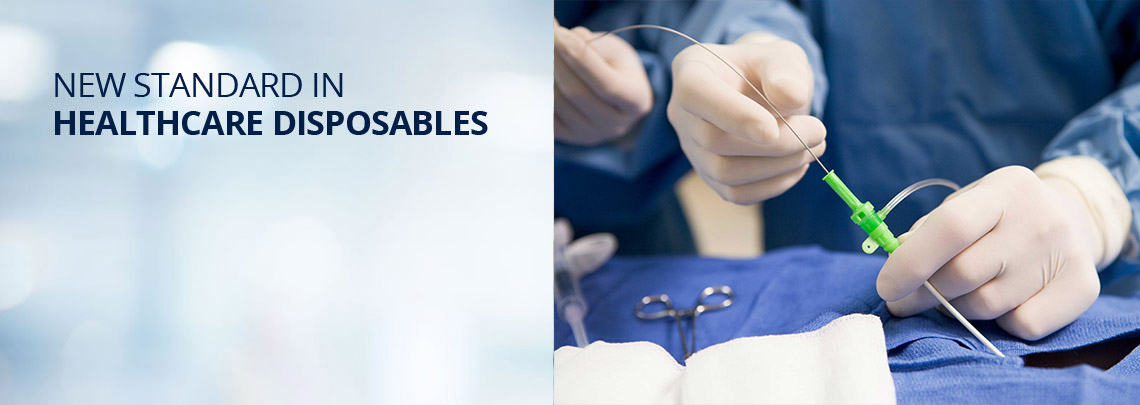
Minimize mucosal trauma, prevent micro-aspiration, and significantly reduce Ventilator-Associated Pneumonia (VAP) risks in ICU settings.

Complete Free Sale Certificates, ISO 10993 biocompatibility testing dossiers, and batch-wise EO sterilization release records for international importers.

Scalable OEM capacity for global GPOs, hospital chains, and public tenders with fast 3-4 week manufacturing lead times.
A comprehensive analysis for biomedical procurement officers, hospital purchasing agents, regulatory registration holders, and international medical device distributors.
In modern critical care and general anesthesia, the Endotracheal Tube (ETT) represents one of the most essential invasive medical disposables. Placed directly into the trachea to maintain an open airway, deliver oxygen and anesthetic gases, and facilitate mechanical ventilation, the performance of an ETT directly influences patient outcomes. For global healthcare buyers and procurement managers, evaluating an Endotracheal Tube supplier requires looking far beyond basic pricing—it demands evaluating clinical safety features, polymer biocompatibility, mechanical kink resistance, cuff inflation dynamics, and stringent regulatory compliance.
An Endotracheal Tube must satisfy rigid mechanical and biological criteria governed by international standard ISO 5361 (Anesthetic and respiratory equipment — Tracheal tubes and connectors). The tube tip must navigate the vocal cords without tearing delicate mucosal tissue, the cuff must create a hermetic seal against aspiration without exceeding tracheal capillary perfusion pressure (typically 20–30 cmH2O), and the main lumen must maintain structural integrity under anatomical bending, head movement, or patient biting.
| ET Tube Feature | Engineering Specification | Clinical & Operational Benefit | Procurement Compliance Factor |
|---|---|---|---|
| HVLP Cuff (High-Volume Low-Pressure) | Thin-walled PVC/Polyurethane membrane, large resting diameter | Distributes pressure over a wider tracheal area; keeps inflation pressure <25 cmH2O to prevent ischemic necrosis | ISO 5361 cuff compliance, burst pressure testing dossiers available |
| Murphy Eye | Smoothly finished side orifice opposite the primary bevel tip | Provides an alternative airflow pathway if the primary distal lumen becomes obstructed by secretions or tracheal wall occlusion | Atraumatic polished edge inspection under 100% optical quality check |
| Radio-opaque Line | Barium Sulfate (BaSO4) co-extruded along the longitudinal wall | Ensures clear visualization of tube tip location on thoracic X-rays to verify depth above the carina | Uniform radio-opacity density tested under radiopaque inspection protocols |
| Subglottic Suction Lumen | Integrated secondary micro-lumen opening proximal to the cuff | Enables continuous or intermittent aspiration of pooled secretions above the cuff, cutting VAP incidence by up to 45% | Proven lumen lumen-to-lumen wall isolation; leak-tested prior to sterile packing |
| Spiral Wire Reinforcement | Stainless steel wire embedded within flexible PVC wall | Prevents lumen collapse during extreme head positioning, prone positioning, or maxillofacial surgical manipulations | Kink-resistance test data; smooth outer wall finish to avoid tissue abrasion |
Discover Mediplus’s full spectrum of single-use tracheal tubes designed for neonates, pediatrics, and adults.
Equipped with a high-volume low-pressure cuff, smooth Murphy eye, calibrated depth markings, and a 15mm standard connector. Available in sizes 3.0mm to 10.0mm ID for oral and nasal intubation.
Specifically designed for pediatric and neonatal airway management where subglottic anatomical narrowing provides a natural seal. Features smooth beveled tip and depth indicator rings.
Features an integrated stainless steel spiral coil within the tube matrix. Ideal for head and neck surgeries, prone positioning, or neurosurgery where tube bending or occlusion is a risk.
Features an additional evacuation lumen terminating above the cuff. Allows evacuation of subglottic secretions, preventing micro-aspiration and lowering ICU-acquired pneumonia rates.
Explore related single-use devices produced under Mediplus's cleanroom manufacturing ecosystem.
Complete airway and spinal anesthesia kits with precision molded connectors.
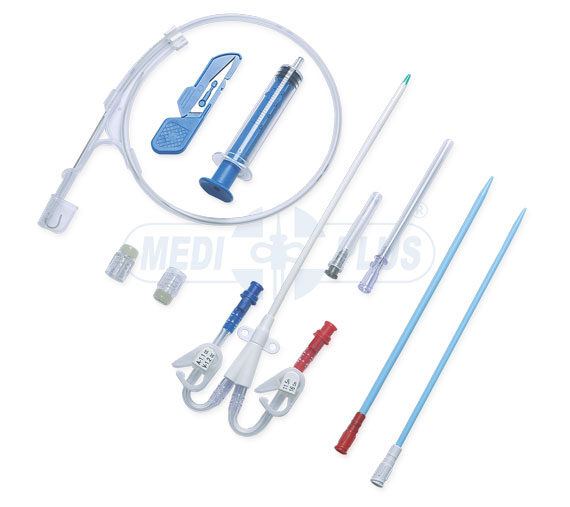
Vascular access systems manufactured under ISO 13485 cleanroom protocols.
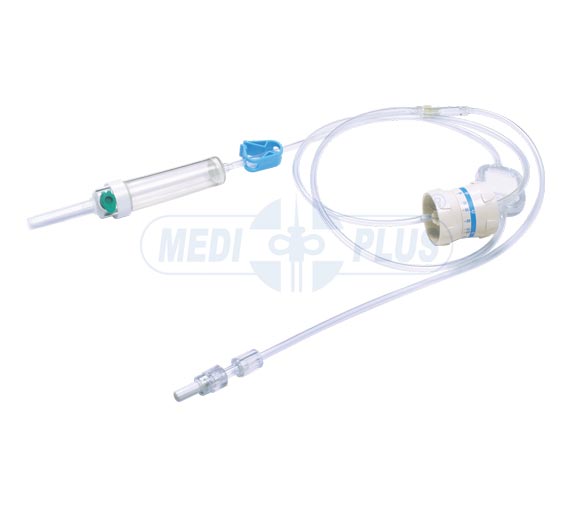
Kink-resistant medical PVC tubing with air-vented spike and fluid filters.
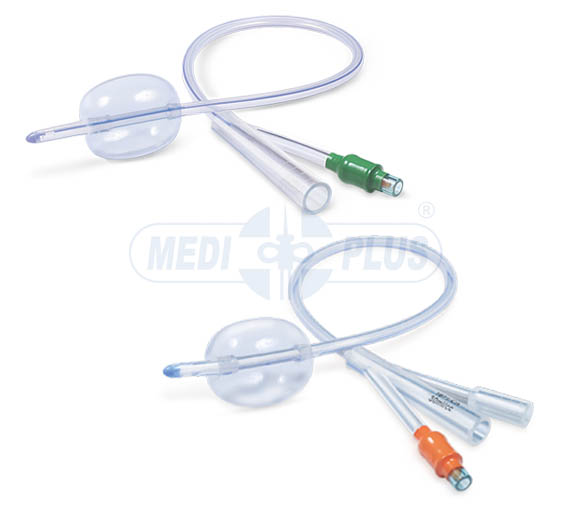
Silicone coated latex and 100% full silicone urology drainage catheters.
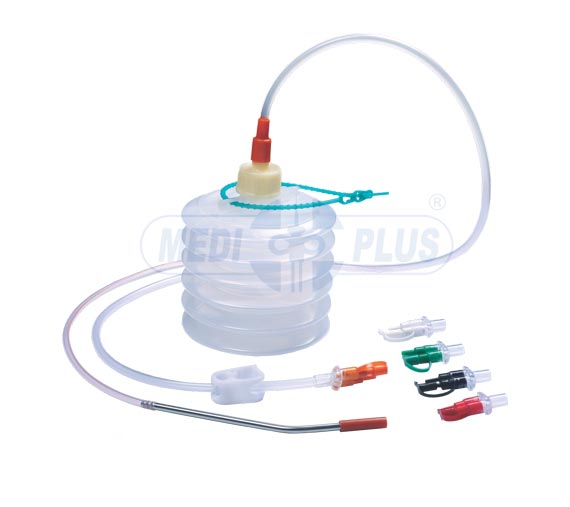
High-vacuum surgical wound drainage bellows with graduated containers.
How technological innovations, regulatory shifts, and ESG mandates are reshaping hospital purchasing decisions worldwide.
The global market for endotracheal tubes is experiencing a profound transformation driven by clinical evidence emphasizing infection control, advanced polymer chemistry, smart diagnostic integration, and strict environmental sustainability standards. Procurement directors who anticipate these structural shifts can build more resilient supply chains while delivering superior clinical value to healthcare providers.
Traditional PVC cuffs require a wall thickness of 30 to 50 micrometers, which frequently forms micro-folds when inflated inside the trachea. These microscopic channels allow subglottic secretions to trickle past the cuff into the lower respiratory tract, leading to Ventilator-Associated Pneumonia (VAP). Modern procurement specifications are increasingly favoring ultra-thin Polyurethane (PU) cuffs (wall thickness ~7–10 micrometers). Polyurethane conforms seamlessly to the irregular internal contours of the tracheal mucosa, eliminating micro-channels and reducing micro-aspiration without raising cuff pressure above safe limits.
Bacterial colonization on the inner and outer surfaces of the ETT begins within hours of intubation, rapidly developing into an antibiotic-resistant biofilm. Next-generation endotracheal tubes integrate noble metal coatings (such as silver nanoparticles), hydrophilic polymer matrices, or nitric oxide-releasing agents. Clinical studies demonstrate that silver-coated ETTs significantly delay bacterial colonization, shortening total mechanical ventilation duration in long-term ICU patients and delivering substantial long-term financial savings to hospital groups.
Manual cuff pressure monitoring with hand-held manometers is prone to compliance oversight and pressure fluctuations caused by patient position changes or nitrous oxide diffusion. Future trends point to endotracheal tube systems with integrated pressure-sensing lumens that connect directly to automated ventilator feedback loops. Maintaining cuff pressure continuously within the narrow therapeutic window of 20 to 30 cmH2O drastically reduces post-intubation sore throat, tracheal stenosis, and mucosal ischemia.
Under the European Union’s MDR (2017/745) regulations and global environmental health initiatives, healthcare procurement committees are enforcing strict prohibitions against Di(2-ethylhexyl)phthalate (DEHP) and plasticizers classified as Endocrine Disrupting Chemicals (EDCs). Leading manufacturers like Mediplus utilize 100% DEHP-free, phthalate-free, medical-grade thermoplastic formulations, ensuring compliance with REACH and EU MDR standards for prolonged invasive procedures.
Global hospital networks and public health systems (such as the NHS in the UK) now evaluate supplier carbon footprints during public tender allocations. Future-proof endotracheal tube suppliers must demonstrate cleanroom energy efficiency, recyclable packaging materials, and renewable energy adoption in their factory infrastructure.

Established in 1988 in Vatva, Ahmedabad, India, Shree Umiya Surgical Pvt. Ltd. (brand Mediplus) has grown into a world-class manufacturer exporting single-use medical devices to over 70 countries across Europe, the Middle East, Latin America, Africa, and Asia.
Clear, direct answers for hospital purchasing departments, regulatory consultants, and medical device distributors.
Mediplus supplies Endotracheal Tubes ranging from Internal Diameter (ID) 2.0 mm to 10.0 mm in increments of 0.5 mm. Sizing follows international standard ISO 5361:
• Uncuffed (Neonatal & Pediatric): ID 2.0 mm to 4.5 mm.
• Cuffed (Pediatric & Adult): ID 3.0 mm to 10.0 mm.
Each tube features printed graduation markings in centimeters from tip to connector, an indicator mark for insertion depth at the vocal cords, and clear sizing markings (ID, OD, and French gauge equivalency) on both the tube body and sterile packaging.
High-Volume Low-Pressure (HVLP) cuffs are the modern clinical gold standard. They feature a larger resting diameter and a thin polymer wall. When inflated, the cuff creates a seal against the tracheal mucosa at low internal pressure (<25 cmH2O), spreading the sealing area across a wider surface and significantly reducing the risk of mucosal ischemia, ulceration, and tracheal stenosis. In contrast, older Low-Volume High-Pressure (LVHP) cuffs exerted concentrated pressure over a narrow area, often exceeding capillary pressure and risking mucosal damage.
Subglottic suctioning tubes incorporate a dedicated micro-lumen opening right above the inflation cuff. This allows clinical staff to suction secretions that accumulate in the subglottic space before they can seep around the cuff into the lungs. Clinical studies prove that subglottic suctioning reduces Ventilator-Associated Pneumonia (VAP) by 40% to 50%. By reducing VAP rates, hospitals significantly decrease ICU length of stay, antibiotic consumption, and overall treatment costs, making these tubes a highly cost-effective choice for hospital purchasing boards.
Mediplus provides a complete technical registration dossier for international buyers, including:
1. ISO 13485:2016 & ISO 9001:2015 Quality Management Certificates.
2. CE Mark Certification under EU Medical Device directives/MDR.
3. Free Sale Certificate (FSC) issued by Indian regulatory authorities.
4. ISO 10993 Biocompatibility Test Reports (Cytotoxicity, Sensitization, Intracutaneous Reactivity, Systemic Toxicity).
5. EO Sterilization Validation Dossier (ISO 11135) & Residual Testing Reports (ISO 10993-7).
6. Real-time and accelerated shelf-life stability test data confirming 5-year sterility retention.
For standard Mediplus brand catalog items, MOQ starts at 1 pallet per SKU. For custom OEM private-label manufacturing (incorporating customer-branded artwork, multi-lingual inner blister packages, outer shipping cartons, and UDI barcodes), the typical order baseline is a single 20-foot container (which can combine mixed ETT sizes and related airway consumables). Lead times for standard orders are 3 to 4 weeks post-artwork approval, while custom tooling or regulatory registration-linked items typically ship in 6 to 8 weeks.
Every lot of medical-grade PVC or polyurethane resin undergoes melt flow index and tensile strength verification prior to extrusion. In addition, our manufacturing line uses automated wall-thickness monitoring to prevent wall thinness or eccentricity. For extreme anatomical positioning, Mediplus manufactures Reinforced (Armored) Endotracheal Tubes with an embedded stainless steel wire spiral, guaranteeing 100% lumen collapse resistance even when bent at sharp angles.
Comprehensive range of sterile airway and anesthesia disposables.
Download full technical specifications, catalogs, and certificates.
Explore our ISO Class 7 cleanrooms and automated extrusion technology.
Direct contact with our dedicated international export team.