
Choosing an AV Fistula Needle manufacturer in China calls for more than comparing unit prices. The needle touches a patient’s access, while small design details—bevel sharpness, wing grip, tubing flexibility, and clamp position—shape daily use. Buyers should examine product specifications, quality documentation, sterilization information, and the manufacturer’s ability to provide consistent samples. A polished catalogue is not enough.
The need is substantial. The United States Renal Data System’s 2024 Annual Data Report estimated that more than 800,000 people in the United States were living with end-stage kidney disease in 2022; most received dialysis. This is not a global market estimate, but it signals the scale of care in one well-documented health system. The KDOQI 2019 Vascular Access Guideline, co-authored by vascular-access specialist Dr. Charmaine E. Lok, describes the “ESKD Life-Plan” as a “dynamic, patient-centered strategy.” That perspective matters: needle selection must fit clinical practice and patient needs, not just a purchasing spreadsheet.
There is no single “best” supplier for every clinic or distributor. Some buyers need customized packaging; others prioritize dependable lead times, clear traceability, and responsive technical support. Ask how the supplier verifies needle dimensions and checks each production lot. Request evidence, not promises. A useful comparison should distinguish verified capabilities from marketing claims, and acknowledge where public information is incomplete. This guide introduces Chinese manufacturers and practical criteria for evaluating them—without treating a shortlist as proof of quality.
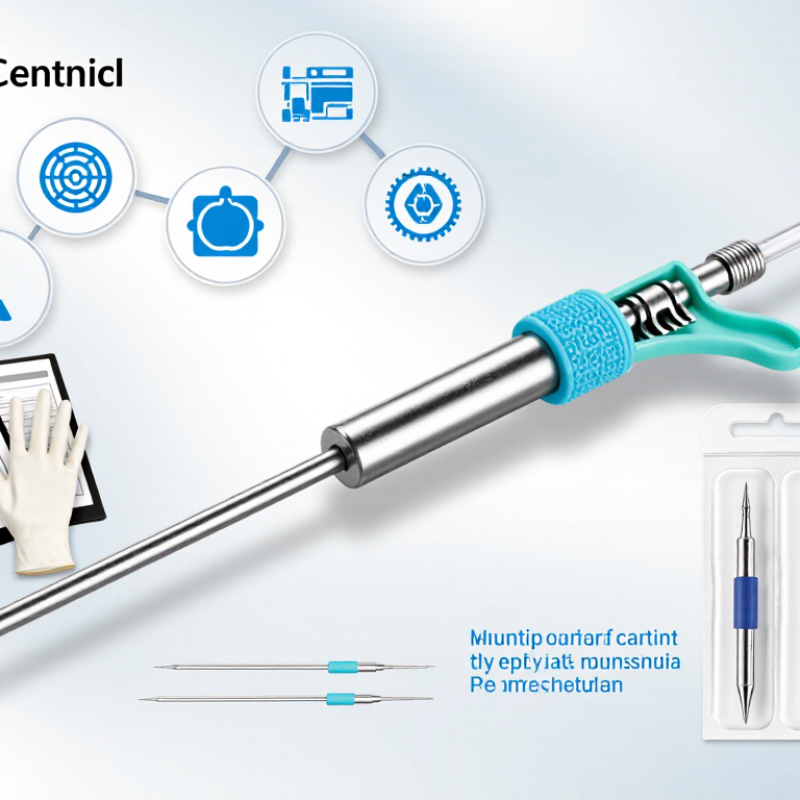
An arteriovenous (AV) fistula provides access to the bloodstream during hemodialysis. Two needles are usually placed in the access: one draws blood toward the dialyzer, while the other returns cleaned blood to the body. Their direction and spacing depend on the fistula and the care team’s protocol. Placement is not a detail to guess.
AV fistula needles come in different gauges and lengths. The right choice depends on the access, prescribed blood flow, and clinical assessment. A larger needle may support higher flow, but comfort and vessel condition matter too. The bevel, wings, and attached tubing also affect handling and securement. Small details matter.
Before cannulation, trained staff assess the access and follow local infection-control procedures. They secure the needles and monitor for pain, swelling, bleeding, or changes in blood flow. Infiltration can occur even when a site initially looks fine. It can happen. Repeated assessment helps staff respond promptly, but no needle design replaces careful technique. Patients should report unusual pain or a change in the access promptly; the dialysis team can assess what it means for that person. Choices vary, and some decisions deserve a second look.
AV fistula needles must enter a moving, pressurized vessel predictably. Their bevel should be sharp and consistent, while the back-eye design can support blood flow and reduce wall suction. Smooth, rounded wings help staff secure the needle without pressing hard on fragile skin. Small details matter. Tubing should resist kinking, and clamps should be easy to operate with gloved hands. Color coding and clear gauge markings also reduce selection errors. ISO 9626:2016 sets requirements for stainless-steel needle tubing, but meeting a tubing standard alone does not prove that a complete needle is clinically safe.
The USRDS 2024 Annual Data Report counted more than 800,000 people living with treated kidney failure in the United States in 2022. That scale makes reliable, repeatable access equipment essential. The KDOQI 2019 vascular access guideline emphasizes individualized access planning and ongoing assessment, rather than relying on one device feature for every patient. Needle selection should consider fistula depth, vessel size, prescribed blood flow, and the patient’s comfort. Secure wings and flexible extension tubing may help limit accidental movement during treatment, but they cannot replace trained cannulation. A neat-looking design is not a safety guarantee. In practice, I would treat checklist compliance as a starting point; real-world handling can still expose design weaknesses.
Best AV Fistula Needle Manufacturers in China?
Reliable production quality starts with controlled materials and clear records. A manufacturer should inspect needle tubing, wings, connectors, and protective caps against written specifications. Small details matter. A slightly rough edge or loose connection can affect handling and product performance. In-process checks can include needle dimensions, joint strength, visual defects, and packaging integrity. Results should link to the production lot, not just a daily checklist.
Compliance depends on more than certificates on a factory wall. Buyers can review the supplier’s quality system, inspection procedures, staff training records, and corrective-action reports. For sterile products, ask how sterilization processes are validated and monitored, and how packaging integrity is verified. Requirements vary by destination market, so documentation should match the intended use and applicable regulations. Traceability should make it possible to follow a finished batch back to its materials and production records.
A factory audit can reveal whether written procedures match the work floor. Look at calibration labels, sample retention, and how rejected parts are separated. Ask what happens after an inspection failure. A credible supplier should explain the investigation and show documented follow-up. No audit is perfect. One weak point is that neatly filed records do not always prove consistent daily practice, so buyers should compare documents with actual production observations.
Chinese AV fistula needle manufacturers typically offer product ranges built around gauge, needle length, tubing configuration, and wing design. Buyers may find options for different access needs, including fixed or rotating wings and varied tubing lengths. Needle bevel, back-eye design, and connector type also differ between models. Small details matter. A catalog range does not, by itself, show whether a product suits a particular clinical workflow.
Many suppliers offer paired needles, tubing clamps, protective caps, and safety-engineered versions. Some provide customized packaging or labeling for distributors and healthcare providers. Availability varies, so confirm dimensions and configurations against current product specifications rather than relying on a short catalog description. Not every listing is equally clear. That can slow evaluation.
For a reliable comparison, request technical drawings, material information, sterilization records, and lot traceability documents. Ask how the manufacturer checks needle sharpness, tubing connections, and package integrity. Sample review can reveal practical issues, such as wing grip or tubing flexibility, that tables may miss. Verify claims through current documentation and appropriate quality-system evidence. Procurement teams should also confirm that intended use, compatibility, and local requirements are addressed before placing orders.
The table below summarizes common AV fistula needle product categories and purchasing specifications offered in the medical-device market. It does not rank or identify individual manufacturers. Exact configurations and regulatory status vary by supplier and should be confirmed in the current product documentation.
| Product range | Common configurations | Typical design features | Key points to verify when sourcing |
|---|---|---|---|
| Standard AV fistula needles | Commonly offered in 15G, 16G, and 17G; available in different needle lengths, depending on the product line. | Needle, wings, tubing, connector, and a protective cap; intended for vascular access during hemodialysis. | Gauge and length options, needle bevel and orientation, tubing dimensions, connector compatibility, and package labeling. |
| Arterial and venous needle sets | Supplied as separate arterial and venous needles or as a matched pair, depending on the range. | Color-coded components may help distinguish arterial and venous lines; color conventions should be checked against the supplier’s labeling. | Whether the set includes one or two needles, color-coding details, tubing configuration, and compatibility with the dialysis circuit. |
| Rotating-wing needles | Offered in selected gauges and needle lengths, subject to the manufacturer’s catalog. | Rotatable wings can help clinicians position and secure the needle after vascular access. | Wing rotation and locking mechanism, wing material, securement method, and instructions for use. |
| Fixed-wing needles | Available in a range of gauges and configurations across product lines. | Fixed wings provide a stable surface for taping or other approved securement methods. | Wing shape and size, ease of securement, needle orientation, and whether the product is supplied with tubing and clamps. |
| Back-eye needle options | Available on selected AV fistula needle models; availability varies by supplier and gauge. | A secondary opening near the needle tip is designed to support blood flow through the needle during use. | Confirm that the selected model includes a back eye, and review its specifications and instructions for use. |
| Safety-engineered AV fistula needles | Safety mechanisms and compatible gauges vary by product range. | May include a mechanism intended to cover or shield the needle after use to reduce accidental needlestick risk. | Mechanism type, activation method, safety-performance documentation, and training requirements. |
| Needles with tubing and clamps | Supplied with different tubing lengths, connectors, and clamp arrangements, depending on the specified configuration. | Tubing connects the needle to the extracorporeal blood circuit; clamps are used according to the product instructions and clinical protocol. | Tubing length and material, connector type, clamp function, leakage testing, and compatibility with intended equipment. |
| Sterile, single-use products | Packaging formats and sterilization methods are product-specific. | AV fistula needles for hemodialysis are generally supplied sterile and labeled for single use. | Sterilization method, sterile-barrier integrity, shelf life, lot traceability, and applicable market-specific regulatory documentation. |
Supplier evaluation should begin with the dialysis unit’s cannulation protocol, not a catalogue. Gauge, needle length, bevel geometry, back-eye design, tubing flexibility, and clamp access all affect handling at the chair. Request specifications, sterilization validation, lot traceability, and change-control records. Then assess samples from multiple production lots with trained staff. Small details matter. Can staff identify flow direction quickly with wet gloves? Record insertion feel, bleeding control, and post-use integrity. One trial is not enough.
The USRDS 2024 Annual Data Report recorded more than 800,000 people living with kidney failure in the United States in 2022; about two-thirds received dialysis. That scale makes consistent supply and reliable quality controls important. Compare suppliers using defect and complaint records, delivery performance, and documented production controls—not price alone. Verify applicable registrations and standards for the intended market; certificates do not replace an audit. A tidy scorecard can still miss awkward handling at the bedside. Include feedback from nurses before final approval.
Representative nominal dimensions commonly associated with hemodialysis needle gauges. Use the supplier’s product specifications and instructions for use to verify exact dimensions.
Procurement note: Gauge-to-diameter values can vary by product design. When assessing suppliers, verify the specified gauge and dimensions alongside sterility, regulatory documentation, biocompatibility, packaging, and lot traceability. Needle selection should follow clinical requirements and the product’s instructions for use.
One needle draws blood toward the dialyzer. The other returns cleaned blood to the body. Placement follows the access and care team’s protocol.
Gauge, length, prescribed blood flow, and vessel condition all matter. A larger needle may support higher flow, but comfort matters too. That tradeoff deserves attention.
Bevel shape, wings, back-eye design, tubing length, and connector type can affect handling. Clamp access matters at the chair. Small details matter.
Trained dialysis staff assess the access and follow infection-control procedures. Placement is not something to guess. It can vary by patient.
Staff monitor pain, swelling, bleeding, and changes in blood flow. Infiltration may occur even when the site looks fine at first. It can happen.
Report unusual pain or a change in the access promptly. The dialysis team can assess what it means for that person. Don’t wait silently.
Request technical drawings, material information, sterilization records, lot traceability, and change-control records. Check current specifications, not just catalog descriptions. Not every listing is clear.
Review samples from multiple production lots with trained staff. Record insertion feel, bleeding control, tubing flexibility, and package integrity. One trial isn’t enough.
Compare defect records, complaints, delivery performance, and documented production controls—not price alone. Verify requirements for the intended market. A neat scorecard can still miss awkward handling at the bedside.
This article explains how an AV Fistula Needle supports hemodialysis by providing reliable access to a patient’s vascular fistula. It outlines important design considerations, including needle sharpness, secure connections, suitable tubing, and features intended to support safe handling and consistent blood flow. The discussion also describes how manufacturers can manage production quality through documented processes, material checks, inspection, and compliance with applicable medical-device requirements.
Readers will learn how to compare manufacturers in China by reviewing product ranges, technical specifications, quality systems, and supplier communication. For clinical and procurement decisions, the article recommends considering the needs of healthcare facilities, compatibility with established procedures, product consistency, and the availability of clear documentation and support. These practical criteria can help buyers assess potential suppliers without relying on brand claims alone.