A Safety IV Cannula is more than a small tube placed in a patient’s vein. It is a vascular access device designed to support fluid therapy, medication delivery, and blood sampling. Its safety mechanism helps protect clinicians from accidental needlestick injuries after catheter placement. Depending on the design, a shield may activate automatically or require deliberate manual engagement.
The need is substantial. The World Health Organization has reported approximately 16 billion injections worldwide each year, highlighting the importance of safer injection and vascular-access practices (WHO, Injection Safety Fact Sheet). The CDC and NIOSH also identify used needles and sharp medical devices as important occupational exposure hazards in healthcare settings. A Safety IV Cannula can reduce exposure opportunities when its protective feature is activated correctly. It cannot replace training, hand hygiene, glove use, or approved sharps-disposal procedures.
Small details matter. During insertion, the clinician watches for flashback in the chamber. After confirmation, the catheter advances while the needle is withdrawn. The shield then covers or locks the sharp tip, depending on the model. That sequence sounds simple. Real practice is less perfect. Poor lighting, rushed care, unusual anatomy, or incorrect activation can weaken protection.
This article explains the main components, operating principles, and clinical considerations behind Safety IV Cannula technology. It also examines usability, compatibility, and disposal through evidence from WHO, CDC, NIOSH, FDA device guidance, and applicable healthcare safety standards. Performance depends on both engineering and human behavior. That point deserves attention.
Definition and Purpose of a Safety IV Cannula
A safety IV cannula is a small medical device used to deliver fluids, medicines, or blood products into a vein. It contains a soft, flexible catheter and a temporary introducer needle. After the catheter enters the vein, the needle is removed. The catheter stays in place, causing less irritation than a rigid needle.
Its main purpose is twofold: provide reliable venous access and reduce accidental needlestick injuries. During insertion, blood may appear in the flashback chamber, indicating possible vessel entry. The clinician then advances the catheter, secures it, and connects compatible tubing. A built-in safety feature covers or locks the used needle after removal. This limits contact with sharp metal. It does not replace careful technique. A misplaced cannula, poor skin preparation, or loose dressing can still cause complications. In real clinical settings, even experienced staff reassess the site because swelling or discomfort may develop later.
Tips: Choose the smallest suitable cannula for the prescribed therapy. Check the skin for redness, leakage, warmth, or increasing pain. Keep the site visible when practical, and avoid pressing on it unnecessarily. Always follow local clinical protocols and trained supervision. A safety mechanism helps, but it cannot correct every insertion error.
Safety IV Cannula: Approximate Outer Diameter by Gauge
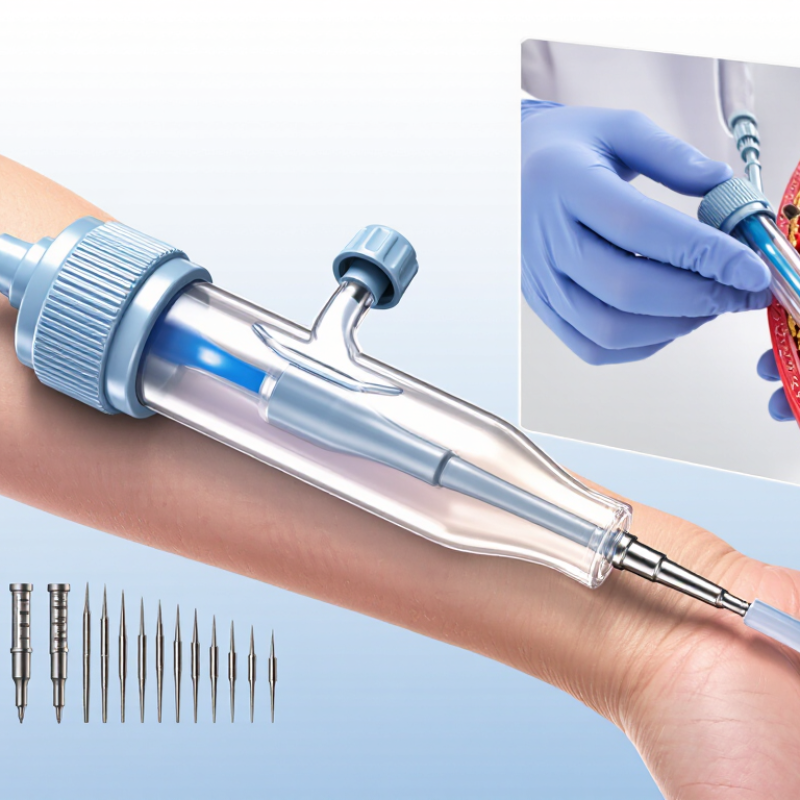
A safety IV cannula combines a flexible catheter with a sharp introducer needle and a safety mechanism that helps shield the needle after use.
The values show approximate external diameters commonly associated with peripheral IV catheter gauges. A lower gauge number indicates a larger diameter, while higher gauges are generally selected for smaller or more delicate veins. Exact dimensions can vary by catheter design.
Main Components and Built-In Safety Features
A safety IV cannula is a sterile device used to access a patient’s vein while reducing accidental needlestick injuries. Its main parts include a flexible catheter, an introducer needle, a transparent hub, and a flashback chamber. The needle guides the catheter through the skin and into the vein. Blood appearing in the chamber helps confirm placement. The catheter stays.
Some models include extension tubing, injection ports, wings, clamps, or needleless connectors. Each part supports controlled handling during fluid or medication delivery. The flexible catheter remains inside the vein, while the sharp needle is removed immediately after placement. Small parts matter. A clear hub can help staff observe blood return, air bubbles, or unusual leakage before use.
The built-in safety feature usually activates when the needle is withdrawn. A shield, clip, or covering mechanism captures the sharp tip and helps prevent accidental contact. Many designs activate automatically, although staff must understand the specific device before use. In clinical practice, I have found that smooth handling reduces unnecessary movement near the patient’s skin. Still, a safety mechanism can fail if the cannula is damaged, used incorrectly, or forced against resistance. It is not a replacement for hand hygiene, aseptic technique, proper inspection, or approved sharps disposal. The package should be checked for damage and expiry, while placement should follow local clinical procedures and professional training. Clear labeling helps, but careful observation remains essential.
How a Safety IV Cannula Works Step by Step
A safety IV cannula combines a hollow introducer needle with a flexible catheter and a built-in injury shield. In practice, a trained clinician checks the package, confirms the patient, performs hand hygiene, and prepares the skin with an approved antiseptic. The clinician enters the vein with the bevel facing upward. A small flash of blood appears.
That flash matters.
The catheter then advances into the vein while the needle remains steady. Once placement is confirmed, the needle withdraws, and the safety mechanism covers or locks the sharp tip. The clinician connects the extension set, gently flushes the line, and watches for swelling, pain, or leakage. A transparent dressing keeps the site visible. The used needle enters a sharps container immediately, without recapping.
The safety feature reduces needlestick exposure, but it cannot correct poor insertion technique or contaminated handling. The World Health Organization’s 2022 global infection prevention report estimated healthcare-associated infections affect 7 in 100 acute-care patients in high-income countries and 15 in 100 in low- and middle-income countries. That figure explains why every step matters, even a brief flush. The Centers for Disease Control and Prevention also recommends aseptic technique and prompt removal when an IV is no longer needed. Some devices activate automatically; others require deliberate activation. Staff must know the specific mechanism. Small design differences can create hesitation, and hesitation deserves review.
Insertion, Infusion, and Cannula Removal
A safety IV cannula combines a flexible catheter with a protective needle mechanism. During insertion, the clinician performs hand hygiene, checks the vein, and prepares the skin with an approved antiseptic. The needle enters bevel-up, and blood flashback confirms vessel access. The catheter then advances gently while the needle retracts into its safety shield. Never reinsert a withdrawn needle. The WHO Global Report on Infection Prevention and Control (2022) estimates that 7 in 100 patients in high-income acute-care settings acquire a healthcare-associated infection. This figure is not specific to IV cannulas, but it shows why clean technique matters.
During infusion, the cannula should be stabilized with a sterile dressing and labeled clearly. The clinician checks for pain, swelling, redness, leakage, or cool skin around the site. These signs may indicate infiltration, extravasation, phlebitis, or poor positioning. The Infusion Nurses Society Standards of Practice (2024) emphasizes regular assessment and compatibility checks before administration. Flush volumes and solutions must follow local policy. Practice varies, and that can create confusion. A written protocol helps.
Cannula removal begins by stopping the infusion and loosening the dressing carefully. The clinician withdraws the catheter slowly, applies gentle pressure, and confirms that the catheter is intact. The site receives a clean dressing, and findings are documented. If bleeding continues, pressure lasts longer. If the tip appears damaged or missing, escalation is immediate. The CDC’s catheter-infection guidance supports hand hygiene before and after catheter manipulation. A safe removal is simple, but rushing it is an avoidable mistake.
Benefits, Risks, and Safe Handling Practices
A safety IV cannula is a small tube used to deliver fluids, medicines, or blood into a vein. Its needle guides insertion, then retracts or shields after placement. This mechanism helps reduce accidental needlestick injuries. The WHO estimates that about 16 billion injections occur worldwide each year, making safe technique essential.
Benefits include easier medication delivery, reduced needle exposure, and more controlled access. Risks remain. Infiltration can cause swelling and cool skin around the site. Phlebitis may create redness, warmth, or tenderness. Infection, blockage, bruising, and accidental dislodgement are also possible. CDC guidance recommends hand hygiene, aseptic technique, proper skin antisepsis, and regular site assessment. Real practice is less perfect. Rushed care can weaken even a good protocol.
Tips: Check the patient, order, expiry date, and cannula package before use. Never reuse a cannula. Avoid touching the disinfected site. Activate the safety feature immediately after needle removal. Put the needle directly into an approved sharps container. Inspect the site during every shift and ask about pain, burning, or tightness. The WHO injection-safety toolkit and Infusion Nurses Society standards support these precautions. When swelling or discomfort appears, stop the infusion and seek qualified clinical assessment.
Conclusion
A Safety IV Cannula is a sterile, short catheter used to provide temporary access to a vein for administering fluids, medications, or other prescribed treatments. It is designed to improve patient and healthcare-worker safety by combining a flexible cannula with a sharp introducer needle and built-in protective features. Depending on its design, these features may help shield the needle after use, reduce accidental needlestick injuries, and limit contact with blood or bodily fluids.
During placement, a trained healthcare professional selects an appropriate vein, cleans the skin, and gently advances the needle and cannula together. Once blood return confirms venous access, the flexible cannula is advanced while the needle is withdrawn and secured safely. The prescribed infusion can then be connected and monitored for comfort, leakage, swelling, or other complications. When treatment is complete, the cannula is removed carefully, pressure is applied, and the device is discarded according to clinical safety procedures. Proper hand hygiene, aseptic technique, regular site checks, and correct disposal are essential for minimizing infection, irritation, and other risks.