
0%

For global buyers, choosing a Blood Tubing Set involves more than comparing unit prices. The set must support safe, consistent fluid handling throughout the intended clinical workflow. Buyers often examine tubing flexibility, connector security, internal diameter, and resistance to kinking. Small details matter. A poorly positioned clamp can slow preparation. An unclear label can delay identification. Practical evaluation should include product samples, packaging inspection, and feedback from trained users. These steps reveal issues that product brochures may not show.

Reliable sourcing also depends on documented manufacturing controls, traceable batch information, and responsive supplier communication. Buyers should request specifications, inspection records, and applicable quality certifications before approval. Requirements can differ between hospitals, distributors, and destination markets. Therefore, purchasing teams should confirm compatibility with their equipment and local requirements. Experienced suppliers can explain material selection, sterilization methods, shelf-life data, and transport conditions without making unsupported promises.

No product is perfect. A careful review should acknowledge that performance may vary with storage, handling, and equipment settings. A tubing set that works well in one system may require further testing in another. Shipping damage, changing lead times, or incomplete documents can also create avoidable pressure. Clear agreements help reduce these risks. Global buyers need dependable quality, honest communication, and evidence-based decisions. The right Blood Tubing Set is not simply the cheapest option. It is the option that performs consistently, arrives traceably, and fits the buyer’s real operating environment.
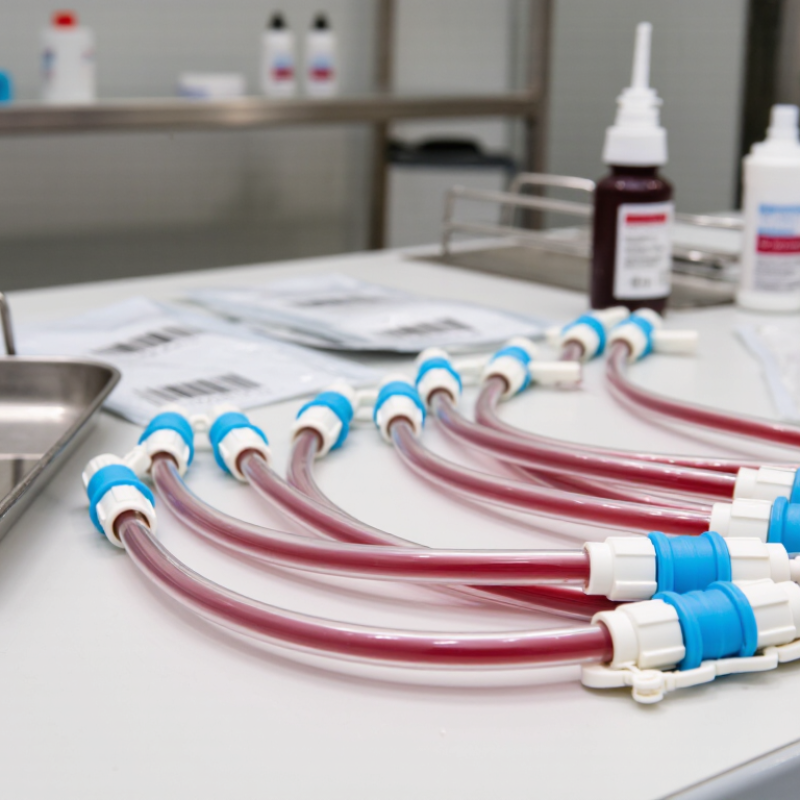
Why Choose a Blood Tubing Set for Global Buyers?

What Is a Blood Tubing Set?

A blood tubing set is a sterile, single-use circuit that carries blood between a patient and an extracorporeal device. It usually includes arterial and venous lines, drip chambers, injection ports, clamps, connectors, and pressure-monitoring sections. During hemodialysis, the arterial line draws blood from the patient. The venous line returns filtered blood. Every connection matters.

The USRDS 2023 Annual Data Report recorded more than 786,000 people living with kidney failure in the United States. Globally, the GBD 2019 study estimated about 1.2 million deaths from chronic kidney disease. These figures explain why reliable blood circuits remain important for hospitals and treatment centers worldwide. ISO 8637-2:2018 also defines requirements for extracorporeal blood and fluid circuits used in hemodialysis and related therapies.

For global buyers, tubing selection involves more than diameter and price. Material compatibility, priming volume, pressure resistance, sterilization method, and connector accuracy affect daily operation. Clear chambers can help staff observe bubbles and blood movement at a glance. Small clamps should open smoothly, even with gloved hands.

The definition sounds simple.

In practice, it is not.

I have seen specifications focus heavily on packaging while overlooking line flexibility and setup time. That is a weakness worth reconsidering. A suitable set should match the machine, therapy protocol, local storage conditions, and trained clinical workflow. Supplier documentation should include validated sterilization details, shelf life, leakage testing, and traceability records.

How Blood Tubing Sets Support Medical Procedures

Blood tubing sets help create a controlled pathway between a patient and medical equipment. They are used in procedures such as hemodialysis, blood collection, and selected extracorporeal treatments. Each tube must support steady blood flow while limiting leaks, kinks, and unnecessary contact with air.

In clinical practice, staff inspect the connectors, clamps, chambers, and caps before use. A clear chamber can help nurses observe flow and detect unusual bubbles or color changes. Secure connections also reduce the risk of blood exposure during handling. The set should match the prescribed machine, access method, flow rate, and sterilization requirements. Small mismatches can create serious delays.

Material choice matters. Medical-grade tubing should remain flexible without collapsing under routine pressure. Smooth internal surfaces may help reduce flow disturbance and blood retention. Packaging should protect sterility until the procedure begins. Instructions must be clear for multilingual teams and different hospital environments. Not every set fits every protocol. Buyers should confirm regulatory documentation, compatibility data, shelf life, and quality-control records with qualified suppliers. Cost is important, but a lower price means little if setup takes longer or replacement parts are difficult to obtain. I have found that practical evaluation is often overlooked. A short user trial can reveal awkward clamps, unclear markings, or tubing that feels too rigid. Those details affect real work.

Key Components and Their Functions

Why Choose a Blood Tubing Set for Global Buyers?

A blood tubing set connects the patient, blood-processing device, and monitoring system. Its arterial and venous lines guide blood in controlled directions. Clear tubing helps staff observe flow, air bubbles, and unusual color changes. A drip chamber supports visual inspection during fluid movement. Clamps allow temporary flow adjustment when procedures require careful control. Secure connectors reduce leakage and help maintain a stable circuit.

Ports support sampling, medication administration, or pressure monitoring when clinically appropriate. Pressure-monitoring lines can connect to a transducer through a protective filter. This helps separate the fluid pathway from monitoring equipment.

Different connector designs suit different machines and regional requirements. Buyers should verify dimensions, material compatibility, sterilization status, and instructions for use before ordering. A small mismatch can delay setup. That detail is easy to underestimate.

Tips: Check every component against the intended equipment. Inspect seals and packaging before use. Confirm local registration and quality documentation. Do not choose by price alone. Transparent material is useful, but it does not prove performance. In practice, even a well-designed set may need clearer labeling or better clamp handling. That is worth discussing with suppliers. Independent quality checks, traceable production records, and trained clinical feedback can improve purchasing decisions for hospitals and distributors worldwide.

Safety, Quality, and Regulatory Considerations

Why Choose a Blood Tubing Set for Global Buyers?

Safety begins with the fluid path, not the sales brochure. A suitable blood tubing set should support controlled flow, secure connections, and reliable handling during clinical use. Procurement teams should examine kink resistance, leakage performance, connector fit, and material compatibility. Small details matter. A loose cap or unclear clamp can create avoidable risk.

Quality evidence should match the product’s intended use. Buyers can request material specifications, biocompatibility assessments, sterilization validation, and lot-based traceability records. Packaging must protect the tubing from moisture, dust, and damage during international transport. Clear labeling is equally important. It should identify the lot, expiry date, storage conditions, and applicable use instructions. A certificate alone is not enough.

Regulatory review requires more than checking one familiar standard. Importers should confirm local registration rules, quality-system documentation, and accepted technical reports in each target market. They should also review change-control procedures, complaint handling, and supplier audit results. In practical evaluations, a complete file often reveals weaknesses before shipment. Still, no checklist is perfect. A supplier may provide strong documents but limited production evidence. That gap deserves careful questions, sample testing, and independent verification where appropriate. Reliable purchasing depends on consistent records, transparent communication, and performance that remains stable across production lots.

Why Choose a Blood Tubing Set for Global Buyers?

The chart summarizes commonly referenced international standards when evaluating sterile, blood-contacting tubing sets. The values represent the number of selected standards shown in each procurement area, not a market ranking. Applicable requirements vary by product design, sterilization method, and destination market.

How Global Buyers Can Select the Right Tubing Set

Global buyers need more than a low unit price when selecting a blood tubing set. The right choice begins with the treatment, device, and clinical workflow. Confirm the required tubing length, inner diameter, priming volume, and flow rate. A set designed for adult use may not suit pediatric equipment or high-resistance circuits. It sounds obvious. Yet rushed purchasing can overlook it. Check connector dimensions against the target machine, not only the product drawing. Small differences can cause leakage, difficult assembly, or an interrupted procedure.

Materials matter during long procedures. Ask for material specifications, flexibility data, and resistance to kinking. Evaluate the sterilization method, packaging integrity, and stated shelf life. Packaging should protect every connector and clamp during international transport. For global shipments, confirm storage limits, carton markings, and language requirements before approval. Samples should be tested with the intended equipment under realistic handling conditions, including priming and clamping.

A dependable supplier provides lot traceability, inspection records, and clear instructions in usable English. Request evidence for biocompatibility and relevant quality controls, then verify documents with the manufacturer. Do not rely on photographs. A recurring lesson from purchasing reviews is that apparently identical sets can perform differently when tubing hardness, caps, or clamps change. That detail is easy to miss. Leave room for feedback after pilot use, because practical fit may appear only during routine clinical handling.

FAQS

What is a blood tubing set used for?

It creates a controlled pathway between a patient and medical equipment. It supports hemodialysis, blood collection, and selected extracorporeal treatments.

Which parts should staff inspect before use?

Check connectors, clamps, chambers, caps, seals, and packaging. Look for damage, loose parts, or broken sterility protection.

Why is clear tubing helpful during a procedure?

Clear tubing lets staff observe blood flow, air bubbles, and color changes. A visible chamber can reveal unusual movement quickly.

How do secure connectors improve handling?

Secure connectors help reduce leakage and accidental blood exposure. They also support a stable circuit during movement.

What should buyers confirm before ordering?

Confirm machine compatibility, access method, flow rate, dimensions, and sterilization requirements. Check regulatory documents, shelf life, and quality records.

Why do material and tubing design matter?

Flexible medical-grade tubing should resist collapse under routine pressure. Smooth inner surfaces may reduce flow disturbance and blood retention.

What functions can ports provide?

Ports may support sampling, medication administration, or pressure monitoring. Use them only when clinically appropriate.

Can a lower price indicate better value?

Not always. A cheaper set may cause delays or difficult replacements. Setup time matters. So does local availability.

How can hospitals test practical usability?

A short user trial can reveal rigid tubing, awkward clamps, or unclear markings. I might overlook these details without hands-on feedback.

Does transparent tubing prove good performance?

No. Transparency improves observation, but it does not prove safety or performance. Independent checks and trained clinical feedback remain important.

Conclusion

A Blood Tubing Set is a sterile, single-use medical assembly designed to safely connect blood-contacting equipment during procedures such as dialysis, transfusion, and extracorporeal circulation. It typically includes flexible tubing, connectors, access points, clamps, and protective caps, with each component supporting secure fluid transfer, controlled flow, and reduced risk of contamination or leakage. Properly designed tubing sets can improve procedural efficiency while helping healthcare professionals maintain consistent handling standards.

For global buyers, selecting the right Blood Tubing Set requires careful attention to material compatibility, tubing dimensions, connection security, packaging, sterilization, and traceability. Buyers should also confirm that the product meets the relevant quality-management and regulatory requirements in the intended market. Clear documentation, reliable manufacturing controls, and consistent supply are equally important. By evaluating clinical application, equipment compatibility, safety features, and supplier support, purchasers can choose a tubing set that balances performance, patient safety, compliance, and cost-effectiveness.

Ethan Carter

Ethan Carter

Ethan Carter is a professional marketing specialist dedicated to helping businesses make informed decisions through clear, practical, and industry-focused communication. With extensive knowledge of the company’s products, services, and customer needs, Ethan transforms complex information into......