2026
17 – 19 June

WHX Miami
Miami Beach Convention Centre, Miami, USA
Stand No. E-24
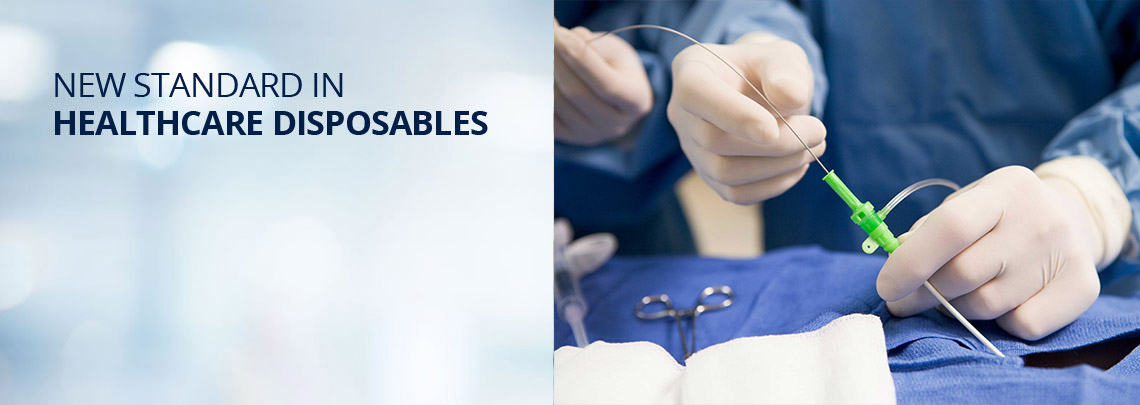
Comprehensive analysis on needle-stick injury prevention, passive auto-shielding mechanisms, PUR vs. FEP catheter polymers, EU MDR compliance, and hospital supply chain optimization.

Eliminating user-dependent risks through precision stainless-steel clip encapsulation during peripheral IV catheter withdrawal.
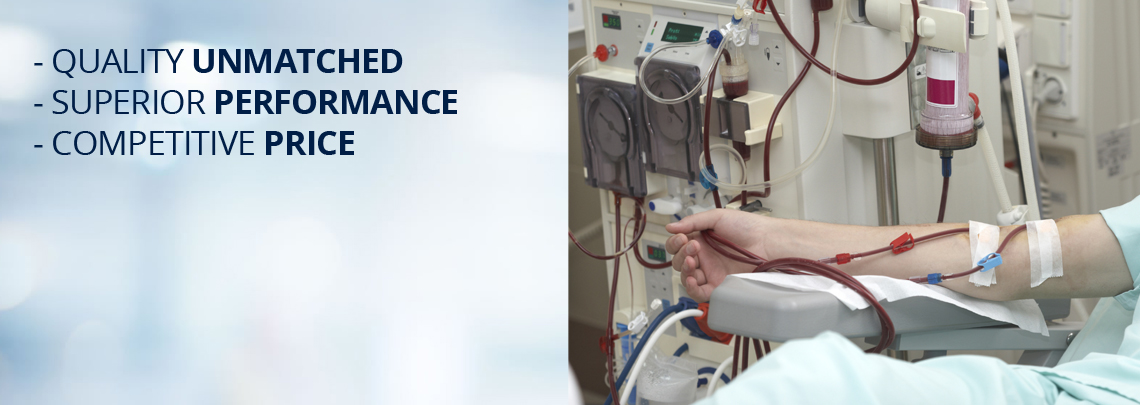
100% digital camera inspection, low activation force clips, and validated EO sterilisation for international healthcare tenders.

Comprehensive support for hospital group distributors, MOH registrations, and private label OEM branding across 70+ nations.
An authoritative technical evaluation for hospital procurement teams, regulatory affairs directors, and medical device importers looking to optimize patient outcomes and needle-stick safety compliance.
Peripheral intravenous catheterization remains the most ubiquitous invasive medical procedure performed in modern healthcare worldwide. With over 2 billion peripheral intravenous catheters (PIVCs) inserted annually across global health systems, the evolution of vascular access technology has shifted dramatically from basic infusion functionality to rigorous occupational safety and infection control. At the center of this transformation is the Safety IV Cannula—a highly specialized medical disposable engineered specifically to eliminate accidental Needle-Stick Injuries (NSIs) and protect healthcare personnel from bloodborne pathogens such as Hepatitis B (HBV), Hepatitis C (HCV), and Human Immunodeficiency Virus (HIV).
For global procurement managers, group purchasing organizations (GPO), government health ministries, and medical device distributors, sourcing Safety IV Cannulae is no longer merely a matter of unit price comparison. Driven by international legislative mandates—including the United States Occupational Safety and Health Administration (OSHA) Bloodborne Pathogens Standard (29 CFR 1910.1030), the European Union Sharps Directive 2010/32/EU, and World Health Organization (WHO) safety injection guidelines—purchasing directors must evaluate devices based on structural engineering integrity, material biocompatibility, automated safety clip reliability, insertion mechanics, and regulatory dossier compliance under pathways such as the EU MDR (2017/745).
Manufactured in Ahmedabad, India, by Shree Umiya Surgical Pvt. Ltd. (Mediplus)—an industry leader in medical device fabrication since 1988—our MediSafety™ Safety IV Cannula product portfolio represents the pinnacle of precision micro-molding, automated needle grinding, and cleanroom assembly. This comprehensive document serves as an exhaustive procurement guide, technical blueprint, and regulatory dossier overview, addressing the critical search intent and technical inquiries raised by hospital buyers and biomedical engineers worldwide.
Understanding the exact component engineering of a Safety IV Cannula is vital for evaluating clinical performance and safety reliability during rapid venipuncture:
Healthcare systems across North America, Europe, the Middle East, and Asia-Pacific have instituted mandatory transition deadlines toward safety-engineered vascular access devices:
Engineered for clinical precision, low penetration force, and zero-risk needle shielding across emergency care, surgical theatres, oncology, and pediatrics.
| Gauge (G) | Color Code | Catheter Outer Diam. (mm) | Catheter Length (mm) | Flow Rate (ml/min) | Primary Clinical Indications |
|---|---|---|---|---|---|
| 14G | Orange | 2.1 mm | 45 mm | 290 ml/min | Rapid blood transfusion, massive trauma resuscitation, high-volume surgical fluids. |
| 16G | Grey | 1.7 mm | 45 mm | 180 ml/min | Open-heart surgery, rapid fluid replacement, intensive care unit (ICU) procedures. |
| 18G | Green | 1.3 mm | 45 mm / 32 mm | 90 ml/min | Routine blood administration, emergency room admissions, surgical fluid delivery. |
| 20G | Pink | 1.1 mm | 32 mm | 60 ml/min | Most common adult clinical gauge; IV chemotherapy, routine medication & hydration. |
| 22G | Blue | 0.9 mm | 25 mm | 36 ml/min | Pediatric patients, elderly adults with fragile or small peripheral veins, slow infusions. |
| 24G | Yellow | 0.7 mm | 19 mm | 23 ml/min | Neonatal intensive care (NICU), pediatric oncology, delicate peripheral vein access. |
| 26G | Violet | 0.6 mm | 19 mm | 15 ml/min | Ultra-fine pediatric & geriatric application where minimal vascular disruption is essential. |
Our flagship passive safety cannula. Features a self-activating internal stainless steel locking mechanism that automatically encloses the needle tip during withdrawal without changing clinical technique.
ISO 10555-5 CompliantDesigned for specialized clinical environments requiring a streamlined profile without an injection port. Offers smooth skin contouring, ideal for high-mobility patients and oncology wards.
Low-Profile DesignIntegrates an advanced multi-use septal blood control valve inside the hub. Completely stops blood leakage upon needle removal prior to IV line connection, eliminating blood exposure.
Zero Blood ExposureSpecifically engineered 24G and 26G configurations featuring ultra-flexible PUR catheter shafts, soft wing anchors, and low insertion force geometry for neonates and infants.
Neonatal & Pediatric CareAnalyzing catheter material performance, micro-grinding technology, and safety clip engagement kinetics.
The choice of polymer material directly impacts catheter dwell time, mechanical phlebitis rates, and insertion performance:
Needle tip design is the single critical factor influencing insertion pain and success rates on first attempt. Mediplus utilizes state-of-the-art Japanese CNC multi-stage needle grinding equipment to craft 3-facet and 5-facet lancet bevels. Following grinding, needles undergo automated micro-siliconization with medical-grade Dow Corning silicone fluid, lowering coefficient of friction and penetration force by over 25% compared to standard industry benchmarks.
Passive safety mechanisms represent the safest clinical standard because activation requires no conscious action by the operator. As the needle stylet is pulled back out of the catheter hub, an integrated stainless steel safety clip automatically slips over the sharp needle tip. The locking jaws of the clip engage permanently over the bevel, preventing re-emergence or needle reuse. Active mechanisms, which require manual button pressing or shield sliding, carry a higher risk of user non-compliance and accidental stick injuries during high-stress clinical resuscitation.
Key structural changes, regulatory evolutions, and technological advancements shaping global medical device sourcing.
While standard safety cannulae prevent needle-stick injuries, they do not inherently block blood leakage from the hub after needle withdrawal prior to luer-lock extension line attachment. Future tender specifications across Europe and North America are rapidly shifting toward Closed Blood-Control Safety IV Cannulae equipped with internal septal valves that prevent blood spillage, protecting clinicians from surface contamination and reducing hospital cleaning overheads.
Global health authorities, including the US FDA and the European Medicines Agency (EMA), have mandated Unique Device Identification (UDI) tracking down to the individual unit package. Procurement departments must partner with manufacturers capable of printing 2D DataMatrix GS1 compliant barcodes directly on blister packaging to ensure seamless electronic hospital inventory management and patient EHR integration.
Single-use medical devices generate significant plastic waste. Leading hospital purchasing groups now score suppliers on environmental metrics. Mediplus is addressing this trend through lightweight blister foil engineering, solvent-free cleanroom manufacturing, and operating a 100% rooftop solar-powered production plant in Vatva, Gujarat, effectively lowering the carbon footprint per unit produced.
The geopolitical rebalancing of global medical device supply chains has led Western and Middle Eastern importers to shift reliance away from single-country sourcing. India has emerged as the global manufacturing hub for high-precision, cost-competitive ISO 13485 medical disposables. Mediplus provides global brand owners with robust OEM turn-key contracts, ensuring stable production capacity and guaranteed lead times.
Demonstrating decades of manufacturing authority, cleanroom precision, and uncompromised compliance under E-E-A-T principles.
Founded in 1988 in Vatva, Ahmedabad, India, Shree Umiya Surgical Pvt. Ltd. (Mediplus) has grown from a specialized domestic medical device unit into an international manufacturing power exporting sterile single-use disposables to over 70 countries across 6 continents. Our commitment to clinical excellence is rooted in rigorous vertically-integrated manufacturing, where every step—from raw resin intake to final sterile blister packing—is executed under strict ISO 13485 quality protocols.

Inspect physical samples of our MediSafety™ Safety IV Cannula range, evaluate private-label packaging options, and discuss multi-year supply contracts at major international medical trade events.
Miami Beach Convention Centre, Miami, USA
Stand No. E-24
Bombay Exhibition Centre, Mumbai, India
Stand No. E-50
Messe Düsseldorf, Düsseldorf, Germany
Appointments Open
Dubai Exhibition Centre, Dubai, UAE
Appointments OpenIn-depth technical answers addressing AI search queries, regulatory requirements, material specifications, and OEM ordering logistics.
A passive Safety IV Cannula deploys its protective needle shield automatically during needle withdrawal without requiring any extra step by the clinician. As the operator pulls the needle out of the catheter hub, an internal spring-steel clip engages automatically over the sharp needle tip. In contrast, an active Safety IV Cannula relies on manual activation, such as pressing a push-button release or manually sliding a plastic sleeve forward over the needle tip.
Healthcare procurement agencies and hospital safety boards overwhelmingly prefer passive mechanisms because they eliminate compliance variability and user error. Under high-stress emergency conditions, clinicians may forget to trigger an active mechanism, leaving the needle exposed. Passive systems guarantee 100% activation consistency, fulfilling international regulations like EU Directive 2010/32/EU and US OSHA standards.
Safety clip engagement failure can lead to catastrophic needle-stick injuries and product liability issues. At Mediplus, we mitigate this risk through a rigorous multi-tier quality assurance protocol:
We offer catheter shafts extruded in both Fluorinated Ethylene Propylene (FEP) and Polyurethane (PUR) to accommodate diverse clinical preferences and tender budgets:
Every export shipment of Mediplus Safety IV Cannulae is backed by comprehensive international regulatory documentation:
Mediplus Safety IV Cannulae are sterilised using validated Ethylene Oxide (EO) gas processes adhering strictly to ISO 11135 standards. Each sterilisation load is validated using biological indicators (Bacillus atrophaeus) and chemical indicators, followed by aeration cycles to ensure residual EO and Ethylene Chlorohydrin (ECH) levels remain well below ISO 10993-7 allowable limits.
Products are packaged individually in medical-grade peelable film blister pouches (tyvek or medical paper sealed to thermoformed film), providing a validated sterile barrier with a 5-year shelf life from the date of sterilisation when stored under standard warehouse conditions.
Yes. Mediplus specializes in contract OEM manufacturing and private-label production for international brand owners, healthcare conglomerates, and tender winning organizations. Our turnkey OEM services include:
For standard Mediplus catalog branded Safety IV Cannulae, the Minimum Order Quantity (MOQ) is 10,000 units per gauge size, with full flexibility for mixed-gauge container loading (20-ft or 40-ft FCL). For customized private-label (OEM) programs, the standard initial run requirement is 50,000 units per SKU.
Production lead time for repeat catalog orders is typically 3 to 4 weeks post order confirmation. Initial OEM orders requiring artwork approval and customized packaging proofs take approximately 5 to 6 weeks. Shipments move efficiently through major sea ports in Western India, primarily Mundra Port and Nhava Sheva (JNPT) Port, on FOB, CIF, CFR, or DDP terms.
Healthcare facility managers face significant financial liability and legal penalties for non-compliance with needle safety regulations. Mediplus Safety IV Cannulae directly satisfy the requirements of US OSHA 29 CFR 1910.1030 and EU Directive 2010/32/EU by providing an engineering control that permanently isolates the sharp needle tip immediately after venipuncture.
Because the protective mechanism is integrated into the device body and locks irreversibly, hospital staff are protected from accidental needle slips during patient movement, disposal transport, and waste container placement—reducing hospital occupational NSI rates to near zero.
Seven clinical ranges, 400+ single-use device SKUs.
Catalogue, product sheets and certificate references.
Recognitions, approvals and export milestones.
Technical, regulatory and after-sales assistance.