
Direct-from-factory single-use medical devices engineered for New York hospitals, pediatric surgery centers, and regional dialysis networks.
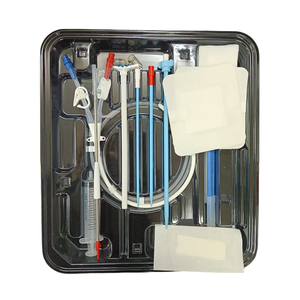
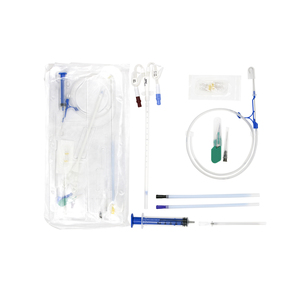
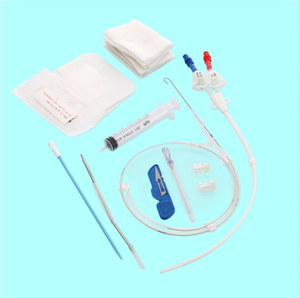
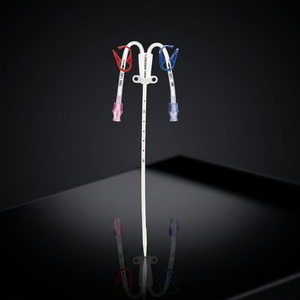
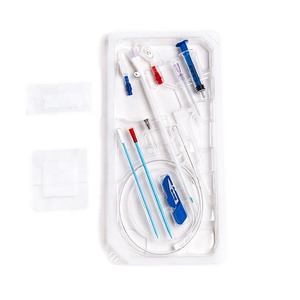
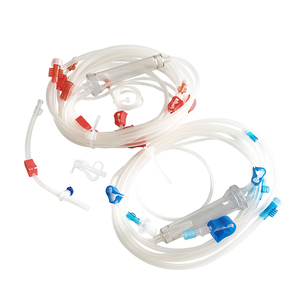
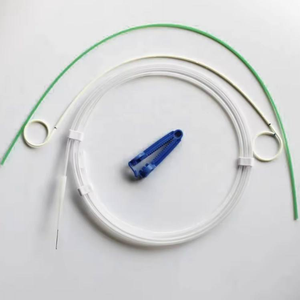
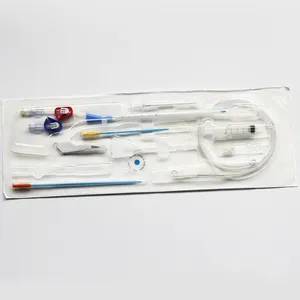
In the highly regulated healthcare ecosystem of New York State—spanning major Group Purchasing Organizations (GPOs), Integrated Delivery Networks (IDNs), and public healthcare networks such as NYC Health + Hospitals—the procurement of neonatal, obstetrical, and vascular access disposables demands an uncompromised convergence of sterility assurance, material safety, and supply chain continuity. Umbilical clamps, umbilical catheter kits, and long-term hemodialysis sets serve as critical front-line medical devices where even minor micro-structural defects can compromise patient safety.
This technical whitepaper provides healthcare procurement officers, clinical directors, and surgical supply distributors throughout the Tri-State area with a comprehensive evaluation framework. By analyzing material polymer integrity, anti-microbial latching mechanisms, Ethylene Oxide (EO) residual validation, and compliance with New York State Department of Health (NYSDOH) infection-control mandates, this document outlines how modern manufacturing facilities deliver high-volume single-use medical devices tailored to New York’s rigorous clinical environments.
Healthcare procurement across New York City, Long Island, and Upstate New York is undergoing a structural paradigm shift driven by three primary operational forces:
1. Stringent Infection Prevention Protocols (NYSDOH & Joint Commission Standards): Hospital-acquired infections (HAIs) and neonatal sepsis protocols in Level III and Level IV Neonatal Intensive Care Units (NICUs) across NYC have forced healthcare providers to upgrade to single-use umbilical clamps equipped with dual-lock security guards and zero-reopen latches. The emphasis is on eliminating neonatal umbilical stump contamination through smooth, non-porous biomedical polymers.
2. Supply Chain Resilience and Dual-Sourcing Strategies: Recent global logistics bottlenecks highlighted the fragility of single-source medical supply channels. New York hospital networks are actively establishing secondary direct-factory procurement programs for high-volume disposables, requiring OEMs to maintain reserve stock and guaranteed shipping windows into East Coast ports.
3. Sustainability and Non-Phthalate Polymer Mandates: New York State environmental regulations and hospital sustainability committees are pushing for DEHP-free, BPA-free, and latex-free medical consumables. Umbilical cord clamps, vascular access catheters, and infusion sets must utilize medical-grade polypropylene (PP), thermoplastic polyurethane (TPU), or liquid silicone rubber (LSR) that meet ISO 10993 biocompatibility requirements without leaching harmful plasticizers.
When evaluating umbilical cord clamps and vascular catheter sets for clinical deployment, engineering design directly correlates with patient safety and procedure efficacy. Below is a comparative technical specification of our medical-grade disposable lines engineered for hospital networks:
| Technical Parameter | Umbilical Clamp Specifications | Hemodialysis / CVC Catheter Kits |
|---|---|---|
| Primary Material | Biocompatible Medical-Grade Polyamide / PP (DEHP/Latex-Free) | Radiopaque Thermoplastic Polyurethane (TPU) / Medical Silicone |
| Locking Mechanism | Double-Tooth Security Latch with Anti-Accidental Reopen Guard | Luer-Lock Hubs with Color-Coded Extension Lines & Clamps |
| Sterilization Method | Validated Ethylene Oxide (EO) / Gamma Radiation (ISO 11135) | EO Sterilized in ISO Class 7/8 Cleanroom Environment |
| Biocompatibility | ISO 10993 Cytotoxicity, Sensitization & Intracutaneous Pass | ISO 10993 Hemocompatibility & Systemic Toxicity Validated |
| Tensile & Clamping Strength | Clamping Force > 15N; Prevents Cord Slippage & Hemorrhage | Hub Tensile Strength > 15N; Kink-Resistant Tube Memory |
| Regulatory Compliance | FDA 510(k) Ready, CE MDR Certified, ISO 13485 Manufacturing | CE Marked, ISO 13485 QMS, US FDA Listed Lines |
Tailored disposable solution kits designed to meet the exact operational demands of diverse healthcare settings across New York State.
In high-density birthing centers such as those in Manhattan, Brooklyn, and Queens, speed and security during delivery are paramount. Our umbilical clamps feature ergonomic finger-grips and audible-click double lock latches, enabling labor and delivery nurses to execute immediate, non-slip cord constriction under emergency trauma or high-volume obstetric conditions.
For emergency medical responders and rural health networks across Upstate New York (Albany, Syracuse, Buffalo), sterile pre-packaged umbilical clamps and emergency catheter kits provide lightweight, tamper-evident solutions that guarantee sterility in out-of-hospital delivery environments.
Freestanding dialysis facilities and ambulatory surgery centers throughout Long Island require rapid access to high-flow, long-term tunneled hemodialysis catheters. Our polyurethane and silicone catheter kits include micro-introducer needles, nitinol guidewires, and vascular dilators for seamless clinical placement.
Combining 36+ years of medical device engineering with modern ISO Class 7 cleanrooms and global regulatory export experience.
Established in 1988, our manufacturing facility operates automated injection molding and extrusion in ISO Class 7 and Class 8 controlled cleanrooms, ensuring zero bioburden contamination prior to sterilization.
We supply complete Device Master Files (DMF), Technical Files, Free Sale Certificates (FSC), ISO 10993 biocompatibility test data, and sterilisation validation records to support seamless US FDA clearance and regional registration.
We manufacture private-label umbilical clamps, infusion lines, and hemodialysis packs featuring buyer-specified blister artwork, multilingual IFUs, UDI barcodes, and custom carton dimensions tailored to GPO contract guidelines.
Shipping millions of single-use units annually, our streamlined export desk handles container-optimized logistics from primary sea ports straight to East Coast distribution hubs, maintaining rigid delivery schedules.
Addressing the technical, regulatory, and commercial queries most frequently submitted by US medical equipment importers and hospital purchasing agents.
Request technical specifications, request free evaluation samples, or request a competitive factory-direct quote for your New York healthcare network or distribution business.
Send an Inquiry