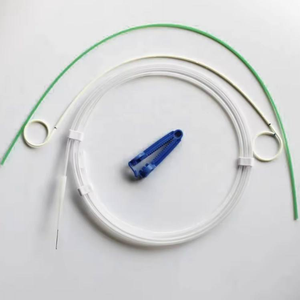
High-precision single-use devices engineered in ISO Class 7/8 cleanrooms, fully compliant with international bio-safety standards for immediate dispatch to Mexico.
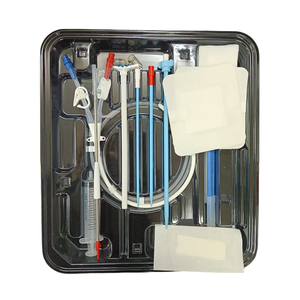
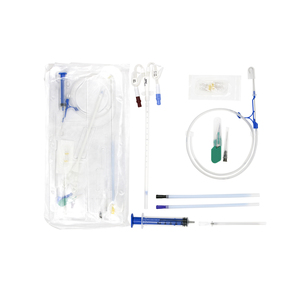
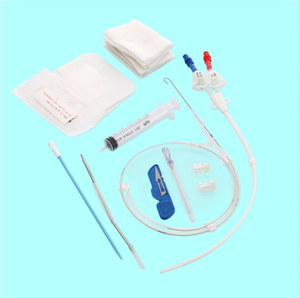
The healthcare system in Mexico—comprising major public institutions such as the Instituto Mexicano del Seguro Social (IMSS), the Instituto de Seguridad y Servicios Sociales de los Trabajadores del Estado (ISSSTE), and rapidly expanding private healthcare conglomerates like Grupo Ángeles, Christus Muguerza, and Hospital San José—is undergoing an unprecedented shift toward stringent clinical quality standards and procurement diversification. As demand for surgical procedures, trauma care, and chronic disease management (particularly End-Stage Renal Disease and diabetic wound management) rises, hospital procurement officers and medical device importers are actively re-evaluating their global vendor portfolios.
While local production accounts for a fraction of basic medical textile consumption, international manufacturers operating under international quality frameworks—such as ISO 13485, CE MDR, and US FDA compliance—have become vital strategic partners. Establishing a robust supply chain for high-performance absorbable gauze bandages, sterile wound care kits, and specialized vascular access disposables requires evaluating suppliers not just on initial piece price, but on comprehensive Information Gain: rigorous bio-compatibility profiles, EO residue testing, consistent tensile strength, fluid absorption metrics, and seamless regulatory dossier support for COFEPRIS (Comisión Federal para la Protección contra Riesgos Sanitarios) sanitary registrations.
To assist hospital procurement teams, biomedical engineers, and regional distributors across Mexico City, Guadalajara, and Monterrey in standardizing their technical evaluations, the following matrix outlines key clinical performance indicators:
| Product Category | Material Composition | Clinical Benchmark Standard | Sterilisation Method | COFEPRIS Risk Class |
|---|---|---|---|---|
| Hydrophilic Gauze Bandage Rolls | 100% High-Grade Purified Cotton (13, 17, 20 threads/cm²) | Sinking time < 10s, Lint-free edge weave, High fluid absorption rate (> 500%) | Ethylene Oxide (EO) / Steam Autoclave | Class I (Sterile) |
| Sterile Lap Sponges / Gauze Swabs | 100% Cotton with X-Ray Detectable Barium Sulfate Thread | Dual-stitched border integrity, Zero fluorescent whitening agents | Validated EO Sterilization (ISO 11135) | Class IIa / Class II |
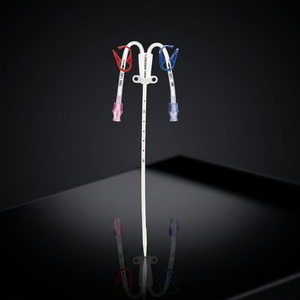
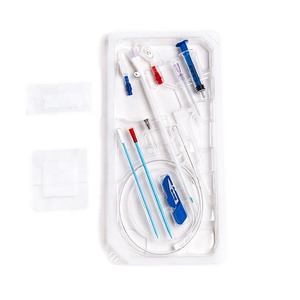
| Hemodialysis Catheter Kits | Medical Grade TPU / Thermosensitive Silicone | Kink-resistant dual lumen, Polyurethane extrusion tensile > 15N | Ethylene Oxide (EO) with residual limit < 4mg/l | Class III / High Risk Access |
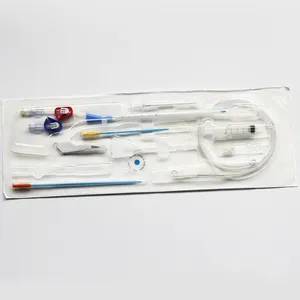
| Central Venous Access Kits | Biocompatible Thermoplastic Polyurethane | Smooth atraumatic tip, Hemodynamic arterial/venous flow dynamics | EO Sterilization + SAL 10⁻⁶ Guarantee | Class III / Vascular Surgical |
Medical disposables are not generic commodities; their structural and mechanical specifications must match specific clinical settings and patient demographics across Mexico's healthcare tiers.
High-volume municipal and federal hospitals require bulk supply of highly absorbent, non-fraying gauze bandage rolls, sterile abdominal pads, and surgical dressings. Key requirements include strict adherence to thread count standards, high tensile resistance during fast bandaging in emergency wards, and compact stack packing for warehousing efficiency in distribution hubs like Toluca and Querétaro.
With Mexico experiencing high rates of chronic kidney disease (CKD), specialized clinics (such as Fresenius Medical Care Mexico, Baxter-serviced units, and private hemodialysis centers) demand long-term 15F silicone cuffed tunneled catheters and short-term 7Fr double-lumen HD catheter kits. Biocompatible TPU construction minimizes vascular trauma and thrombosis risk during frequent extracorporeal blood filtration.
Private hospitals in Tijuana, Guadalajara, and Puebla focusing on medical tourism require premium non-adherent sterile gauze dressings, skin staplers, and atraumatic central line kits. Visual presentation, easy-peel sterile blister packaging, clear multilingual instructions (Spanish/English), and low tissue-adhesion properties are crucial for optimal post-operative recovery.
To ensure flawless supply chain continuity for Mexican distributors, the operational flow mandates rigorous quality checks at every milestone of the export lifecycle:
100% natural long-staple cotton yarn is inspected for absorbency, whiteness, and lack of synthetic impurities before weaving. High-grade polyurethane and medical silicone pellets undergo melt-flow and purity testing.
Gauze processing and catheter tube extrusion occur under controlled ambient conditions (ISO Class 7/8). Automatic vision inspection systems verify thread uniformity and catheter lumen dimensional accuracy.
Batches are sterilized via Ethylene Oxide (EO) or Gamma Radiation. Each cycle is validated using biological indicators. COA, EO residue reports, and sterility release certificates accompany every maritime shipment to Manzanillo or Veracruz.
Understanding the macro-economic and regulatory landscape in Mexico empowers procurement directors to build resilient, cost-effective supply agreements. Key market forces include:
COFEPRIS continues to streamline registration processes for overseas manufacturers maintaining valid ISO 13485 certifications and established technical dossiers. Importers who partner with experienced exporters benefit from pre-compiled technical dossiers, accelerated stability test data, and full ISO 10993 biocompatibility test suites that simplify local registration filings.
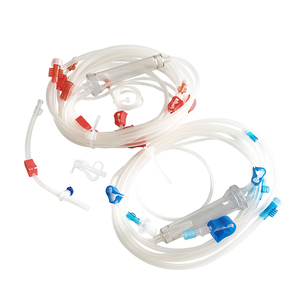
Mexico's rapid growth as a manufacturing and nearshoring hub has created elevated demand for localized inventory buffering. Major distributors in northern industrial corridors (Monterrey, Saltillo, Ciudad Juárez) are securing long-term supply contracts with direct overseas manufacturers to maintain minimum 90-day safety stocks of critical disposables, including surgical gauze, IV sets, and catheter kits.
Traditional plain woven bandages are increasingly being supplemented by specialized gauze formulations—such as paraffin-impregnated gauze, high-density elastic conforming bandages, and X-ray detectable laparotomy sponges. These advanced dressings reduce dressing change frequency, lower wound infection rates (HAIs), and improve overall patient comfort in intensive care units.
Founded in 1988 in Ahmedabad, India, Shree Umiya Surgical Pvt. Ltd. (operating globally under the Mediplus brand) has established itself as a premier manufacturer and exporter of single-use medical disposable devices. Spanning seven specialized clinical divisions and exporting to over 70 countries worldwide, Mediplus combines manufacturing scale with uncompromised quality assurance.
Our state-of-the-art facility operates under integrated ISO 13485 and ISO 9001 Quality Management Systems. Product families hold CE certification under European MDR pathways, ensuring seamless regulatory acceptance across Latin American health authorities.
From raw material polymer compounding and high-speed gauze weaving to precision injection molding, tube extrusion, and blister packaging, our integrated setup eliminates third-party quality risks and maintains strict dimensional tolerances.
We empower Mexican distributors with comprehensive private-label programs—customized packaging design, Spanish-language IFUs (Instructions for Use), GTIN/UDI barcode integration, and tailored container load optimization.
Comprehensive answers to common technical, legal, and logistical questions raised by Mexican healthcare buyers and distributors.
Streamline your medical supply chain in Mexico with ISO 13485 and CE certified gauze bandages, hemodialysis catheter kits, and clinical disposables. Contact our export desk today for direct manufacturer pricing and comprehensive registration support.
Get a Quote