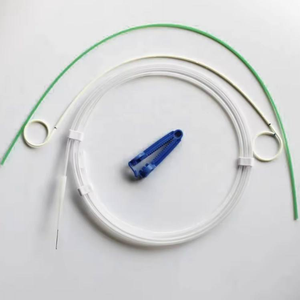
Certified Class II & Class III Single-Use Medical Devices Manufactured in ISO Class 7/8 Cleanrooms
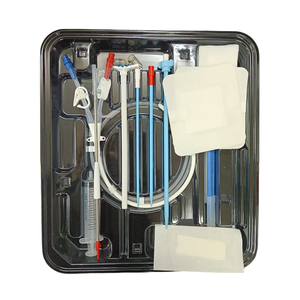
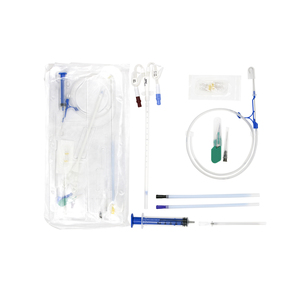
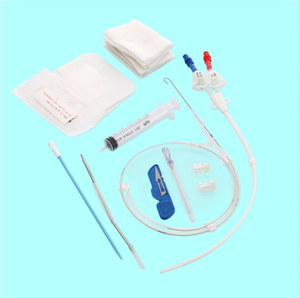
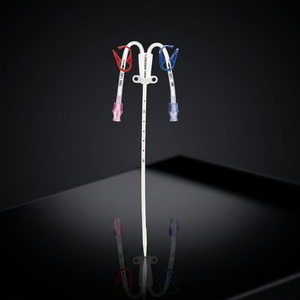
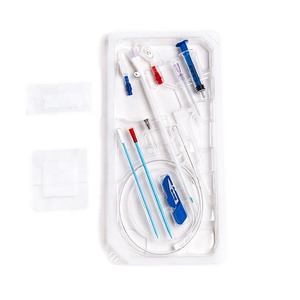
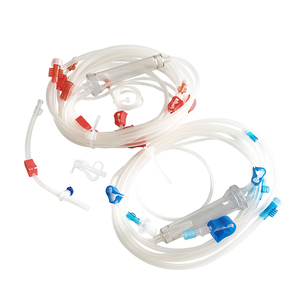
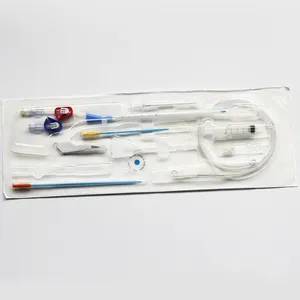
The healthcare infrastructure in Poland has undergone rapid modernization driven by both public investments through the National Health Fund (Narodowy Fundusz Zdrowia – NFZ) and the expansion of private healthcare syndicates such as Lux Med, Medicover, and Enel-Med. Within intensive care, emergency medicine, respiratory therapy, and surgical suites, high-precision single-use consumables—specifically suction catheters, central venous access lines, and hemodialysis catheters—represent critical components required to minimize Hospital-Acquired Infections (HAIs) and maintain clinical efficiency.
For Polish healthcare buyers, group purchasing organizations (GPOs), and medical device importers operating out of major logistical hubs like Warsaw, Poznań, Katowice, and Gdańsk, selecting a qualified global manufacturer requires an in-depth review of bio-compatibility standards, structural catheter integrity, regulatory validation under the European Union Medical Device Regulation (EU MDR 2017/745), and supply chain resilience. This document provides a comprehensive technical breakdown of suction catheter manufacturing standards, material science advancements, localized usage dynamics in Poland, and optimal OEM procurement strategies.
Core Procurement Insight: Under European Union MDR guidelines, Polish medical institutions prioritize suppliers offering full lot-to-carton traceability, certified ISO 10993 biocompatibility compliance, validated Ethylene Oxide (EO) sterilization dossiers, and direct factory pricing structures that lower overall landed costs without sacrificing patient safety.
Suction catheters serve as indispensable instruments for clear airway maintenance by removing secretions, blood, and cellular debris from the tracheobronchial tree. Advanced manufacturing techniques utilize medical-grade, thermosensitive Polyvinyl Chloride (PVC) or Thermoplastic Polyurethane (TPU). When introduced at ambient temperature, the material retains sufficient column strength for effortless insertion; upon reaching human body temperature (37°C), it softens dynamically to mitigate mucosal trauma along the endotracheal wall.
Precision-molded smooth, rounded distal tips with offset side eyes (Muley or Whistle design) prevent invagination of delicate tracheal mucosa during negative pressure suctioning.
Color-coded connectors conforming to international French (Charrière) gauge standards (Fr 6 to Fr 18) featuring ergonomic thumb-control valves for tactile suction modulation.
Sterilized using validated Ethylene Oxide (EO) protocols in ISO Class 7 cleanrooms, achieving a Sterility Assurance Level (SAL) of 10^-6 for maximum patient protection.
To understand the clinical demand for suction catheters and vascular access devices in Poland, one must examine the specific environments where these single-use consumables are routinely deployed:
In Polish Oddziały Anestezjologii i Intensywnej Terapii (ICUs), mechanically ventilated patients require continuous endotracheal bronchial suctioning. High-flow suction catheters with kink-resistant tubing prevent airway occlusion and lower ventilator-associated pneumonia (VAP) rates.
The Polish Państwowe Ratownictwo Medyczne (PRM) response teams and emergency wards (SOR - Szpitalne Oddziały Ratunkowe) rely on robust suction catheters with Yankauer handles for clear airway restoration in trauma, drowning, and cardiac arrest cases.
Dialysis facilities across Poland (e.g., DaVita Poland, Fresenius NephroCare Poland) utilize high-performance double-lumen short-term and tunneled long-term hemodialysis catheters (15F, 7Fr) to facilitate efficient extracorporeal blood purification.
Operative suites require sterile closed-wound drainage and thoracic suction catheters during post-thoracotomy and major abdominal procedures to avoid hematoma formation and promote tissue healing.
Understanding material behavior under clinical conditions is vital for hospital procurement teams evaluating catheter longevity, biocompatibility, and traumatic index.
| Material Type | Thermosensitivity | Tensile Strength | Biocompatibility Standard | Primary Clinical Application |
|---|---|---|---|---|
| Medical Grade TPU | High (Softens rapidly at 37°C) | Exceptional (> 25 MPa) | ISO 10993-5, 10, 11 Certified | Long-Term Tunneled Dialysis Catheters |
| DEHP-Free Plasticized PVC | Moderate (Kink-resistant flexibility) | High (> 18 MPa) | REACH & RoHS Compliant | Tracheobronchial Suction Catheters |
| 100% Liquid Silicone | Ultra-Low Friction surface | Moderate / Flexible | Class III Implantation Tested | Cuffed Permanent HD & Foley Catheters |
| Radio-Opaque Polyurethane | High Structural Memory | Very High | Non-Hemolytic Validated | Central Venous Catheters (CVC Kits) |
The Polish medical consumable landscape is governed by stringent European Union framework regulations as well as local healthcare modernization directives. Buyers seeking to establish supply agreements must navigate key macro trends:
Since the mandatory transition to EU MDR, non-compliant suppliers lacking comprehensive technical files, Clinical Evaluation Reports (CER), and Post-Market Surveillance (PMS) infrastructure are being phased out of European markets. Polish importers must ensure their manufacturing partners hold valid CE certificates issued by recognized European Notified Bodies.
Polish hospital accreditation bodies (such as the Centrum Monitorowania Jakości w Ochronie Zdrowia – CMJ) have introduced rigorous hygiene scores. This has accelerated the shift toward fully enclosed single-use catheter kits, pre-packaged sterile procedure sets, and suction devices featuring anti-reflux valves to prevent cross-contamination.
Public hospital regional consortia in Voivodeships such as Mazowieckie, Śląskie, and Wielkopolskie increasingly consolidate purchasing volume to secure bulk pricing. Importers partnering with flexible OEM factories like Mediplus can provide tailored Polish-language packaging, unique barcode/UDI structures, and aggressive price points necessary to win competitive tenders.
Environmental health initiatives within the EU strongly advocate for the elimination of harmful plasticizers (such as DEHP and phthalates). Leading manufacturers are transitioning to 100% DEHP-free, non-toxic polymer formulations that guarantee patient safety during prolonged respiratory or vascular contact.
Founded in 1988 under Shree Umiya Surgical Pvt. Ltd. (SUSPL) and known globally under the Mediplus brand, our manufacturing organization brings over 36 years of dedicated engineering expertise to single-use medical device production. Based in Vatva, Ahmedabad, India, our vertically integrated plant supplies hospital chains, hemodialysis networks, and medical distributors across more than 70 countries worldwide.
Operating strictly under ISO 13485 and ISO 9001 quality frameworks, our production takes place inside audited ISO Class 7 and Class 8 cleanrooms. Every batch undergoes rigorous leak, burst, tensile, and bioburden validation prior to release.
We provide comprehensive OEM packaging solutions including Polish language Instructions for Use (IFU), specialized box artwork, UDI/GS1 barcoding, and customized tray layout designs to streamline local Polish registration.
Our regulatory team furnishes Free Sale Certificates (FSC), ISO 10993 biocompatibility test reports, chemical analysis, shelf-life stability dossiers, and EU MDR pathway technical files required for swift registration in Poland.
Equipped with modern automated injection molding and tube extrusion machinery powered by clean rooftop solar energy, minimizing carbon footprints while maintaining uninterrupted production scaling.
Answers to common regulatory, logistical, and technical questions encountered during procurement for Polish medical facilities.
Our plant operates under ISO 13485 and ISO 9001 standards. Our catheters hold valid CE certifications under the EU MDR, backed by complete technical files, ISO 10993 bio-compatibility documentation, and batch-wise Certificates of Analysis (CoA).
Yes. We fully support custom OEM branding including artwork in Polish (Język polski), compliant GTIN/UDI barcodes, and custom inner pouch or box packaging required by Polish medical distributors and hospital tenders.
Standard catalogue items typically ship within 3 to 4 weeks. Shipments move seamlessly via ocean freight to major European ports such as Gdańsk or Hamburg, or via expedited air transport directly to Warsaw Chopin Airport (WAW).
Every lot is subjected to validated Ethylene Oxide (EO) sterilization or Gamma irradiation. Cycles are released only after biological and chemical indicator verification and EO residue testing according to ISO 11135 guidelines.
Standard inventory SKUs start at single-pallet volumes. Private-label OEM packaging programs generally begin at one mixed 20-foot container load, allowing buyers to consolidate multiple catheter sizes into a single shipment.
Yes. Our in-house regulatory desk provides all essential documentation required by the Polish Office for Registration of Medicinal Products, Medical Devices and Biocidal Products (URPL).
Whether you are seeking custom OEM private-label manufacturing, expanding your Polish medical distribution portfolio, or participating in public healthcare tenders, our engineering and regulatory teams are ready to support your requirement.
Send an Inquiry