
ISO 13485 & CE MDR Certified Medical Devices Engineered for Clinical Precision in Kenyan Hospitals & Surgical Centers
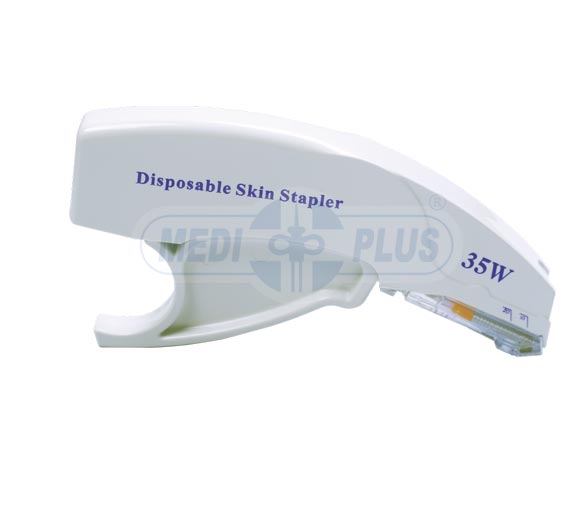
Mechanical skin stapling has emerged as the definitive standard for surgical wound closure across acute care, trauma centers, and elective surgical units worldwide. In contrast to traditional manual suturing techniques—which demand prolonged operative time, increase tissue handling, and present variable tension distribution—disposable surgical skin staplers provide uniform staple formation, optimal tissue approximation, and significantly reduced wound closure duration.
A primary consideration for hospital procurement committees and Chief Medical Officers (CMOs) is the mechanical design and biocompatibility profile of the stapler. Advanced skin staplers utilize 316L medical-grade stainless steel staples. The staple wire geometry is precision-engineered to penetrate skin layers smoothly without tearing adjacent epidermoid structures. Upon actuation, the anvil mechanism deforms the straight staple wire into a rectangular "B-form" configuration. This B-form geometry is vital: it suspends the tissue elevated slightly off the cutaneous surface, preserving dermal microvascular blood supply, minimizing localized ischemia, and facilitating painless post-operative staple extraction.
Clinical Gain Note: Studies in surgical efficiency demonstrate that utilizing mechanical skin staplers reduces cutaneous closure time by up to 75% compared to subcuticular or interrupted nylon suturing. In high-volume emergency theatres, this time reduction directly decreases operating room utilization costs and minimizes overall patient anesthesia exposure.
| Evaluation Parameter | Disposable Surgical Skin Stapler | Traditional Monofilament Suturing (e.g., 3-0 Nylon) |
|---|---|---|
| Closure Speed (cm/sec) | 0.8 – 1.2 cm per second (Ultra-Fast) | 0.1 – 0.2 cm per second (Labor Intensive) |
| Tissue Tension Uniformity | Pre-calibrated mechanical B-form suspension | Operator-dependent manual knot tensioning |
| Cross-Infection Risk | Single-use sterile EO unit; zero re-sterilization risk | Multiple needle passes increase glove puncture risks |
| Incision Cosmesis | Consistent everted edge alignment reduces scarring | Variable stitch spacing can lead to ladder-bar scarring |
| Wound Extractability | Rapid removal via dedicated staple remover tool | Requires individual suture cutting and pulling |
The healthcare infrastructure in Kenya is undergoing a profound structural transformation driven by Government policy initiatives, urban hospital expansions, and public-private partnerships (PPP). The rollout of the Universal Health Coverage (UHC) framework under the Social Health Authority (SHA), alongside the expansion of Level 4, Level 5, and Level 6 county referral facilities, has expanded surgical capacity across all 47 counties—from Nairobi, Mombasa, and Kisumu to Nakuru, Eldoret, and Machakos.
As surgical throughput increases, Kenyan healthcare providers face dual pressures: maintaining high-standard surgical infection control while optimizing procurement expenditure for single-use medical consumables. Key factors driving the market demand for skin staplers and surgical disposables in Kenya include:
Understanding regional clinical workflows is essential for hospital buyers, supply chain executives, and medical distributors in East Africa. Our products are tailored to meet the operational demands of distinct clinical settings in Kenya:
Facilities like Kenyatta National Hospital (KNH) and Moi Teaching and Referral Hospital (MTRH) operate high-density surgical suites. The integration of 35-Wide skin staplers minimizes operative backlog, allowing surgical teams to perform more procedures daily while preserving sterile integrity.
Private hospital groups (such as MP Shah, Avenue Healthcare, and Gertrude's Children's Hospital) prioritize minimal scar formation and short patient recovery times. Pre-sterilized ergonomic skin staplers deliver consistent cosmesis, enhancing patient satisfaction scores.
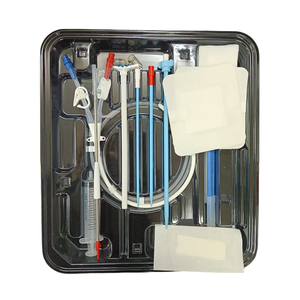
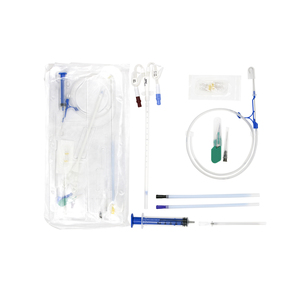
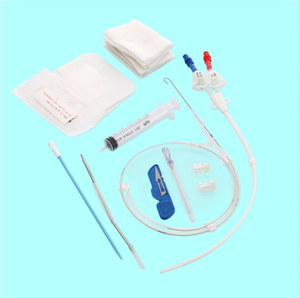
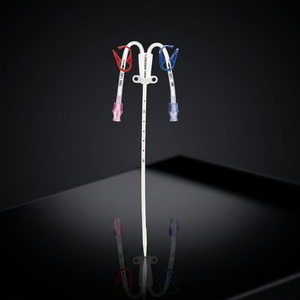
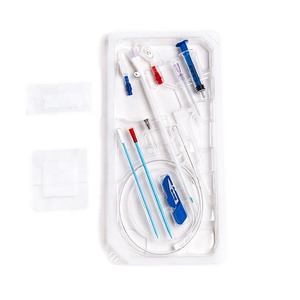
With renal diseases on the rise, specialty kidney centers across Nairobi and regional hubs require dependable long-term vascular access lines. Our silicone cuffed tunneled hemodialysis catheters (15F double/triple lumen) provide reliable blood flow rates for chronic renal replacement therapy.
Faith-based health organizations (such as CHAK and KCCB networks) operating rural clinics benefit from disposable skin staplers requiring no electricity or complex autoclaving, keeping emergency care fully operational in low-resource settings.
As a global pioneer in medical disposable manufacturing since 1988, Shree Umiya Surgical Pvt. Ltd. (operating under the internationally registered brand Mediplus) maintains an advanced manufacturing complex in Vatva, Ahmedabad, India. Spanning over three decades of engineering expertise, Mediplus manufactures an extensive portfolio of over 400 specialized single-use device SKUs across 7 clinical disciplines.
Our infrastructure complies with global quality management standards, making Mediplus a trusted supply partner for Ministries of Health, tender agencies, and medical equipment importers throughout Kenya and the greater East African Community (EAC).
Quality Assurance & Cleanroom Standards: All Mediplus products are extruded, molded, assembled, and primary-packaged inside certified ISO Class 7 and Class 8 cleanrooms. Production lines utilize high-precision automated injection molding machinery and continuous online vision inspection systems to guarantee dimensional accuracy.
Navigating the regulatory and logistics environment in Kenya is critical for institutional importers, hospital procurement officers, and tender bidders. Importing medical disposables into Kenya requires strict compliance with national statutory frameworks.
Logistics Advantage: Mediplus maintains streamlined shipping routes from India's western ports directly to Mombasa, offering competitive transit times of 12 to 16 days. This ensures stable inventory flow for hospital chains and government tender suppliers in Kenya.
Frequently Asked Questions by Medical Procurement Officers, Hospital Directors, and Importers in Kenya