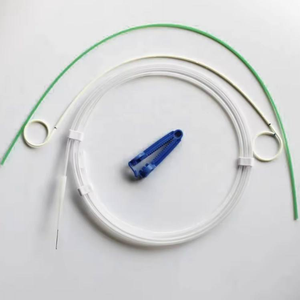
Explore our high-precision enteral and vascular access disposable lines manufactured under strict ISO Class 7 cleanroom controls for hospital procurement teams across Zurich, Geneva, Lausanne, and Basel.
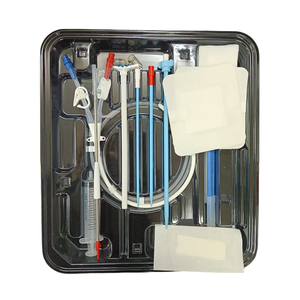
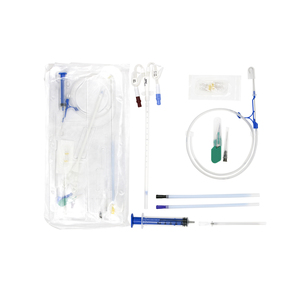
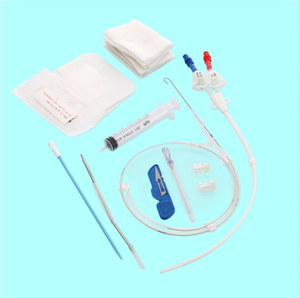
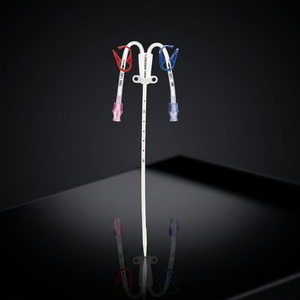
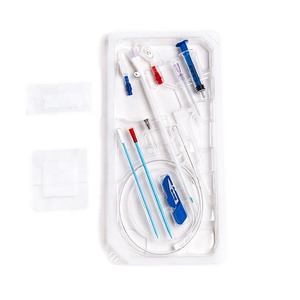
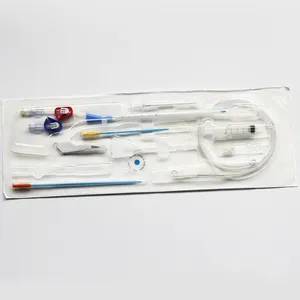
An in-depth guide to understanding material specifications, regulatory requirements (MedDo / Swissmedic), clinical applications, and OEM factory sourcing strategies for enteral feeding tubes in the Swiss healthcare market.
The demand for high-grade, biocompatible gastrointestinal catheterization devices across Switzerland's cantonal healthcare systems, intensive care units (ICUs), and surgical suites has accelerated the need for reliable manufacturing partners. A Ryle's Tube—a specialized nasogastric tube equipped with a radio-opaque line, weighted or non-weighted distal tip, and multiple lateral eyes—serves as a primary clinical instrument for gastric decompression, aspiration of stomach contents, and nutritional administration. For Swiss medical device importers, hospital procurement officers, and private label distributors, evaluating manufacturing partners requires a rigorous look at raw material purity, strict regulatory compliance under the Swiss Medical Devices Ordinance (MedDo), and ISO Class 7 cleanroom manufacturing capabilities.
Unlike standard generic PVC tubes, advanced Ryle's Tubes supplied to European and Swiss clinical institutions utilize 100% DEHP-free plasticized PVC, thermosensitive polyurethane (TPU), or liquid silicone rubber (LSR). These advanced polymer formulations prevent tissue trauma, resist gastric acid degradation, and feature fully radiopaque marker lines along the entire tube length for seamless X-ray confirmation of tube position in the stomach or duodenum.
A precision-manufactured Ryle's Tube must balance structural integrity with anatomical comfort. When Swiss hospitals source nasogastric devices, clinical evaluated criteria center around lumen cross-sectional consistency, tip smoothness, and anti-kinking mechanical properties. Below are the definitive technical specifications enforced by leading OEM factories:
Selecting the optimal material matrix depends on clinical residence time, patient comfort targets, and budgetary parameters in Swiss healthcare facilities:
| Feature Parameter | Medical-Grade TPU (Polyurethane) | Liquid Silicone Rubber (LSR) | DEHP-Free Plasticized PVC |
|---|---|---|---|
| Recommended Retention Time | Up to 30 Days (Long-Term) | Up to 30 Days (Long-Term) | Short-Term (< 7 Days) |
| Tissue Softening Effect | High (Body Temp Softening) | Constant Ultra-Soft Flexibility | Moderate Initial Softness |
| Gastric Acid Resistance | Exceptional (Zero Degradation) | Superior Chemical Stability | Good (Gradual Hardening) |
| Inner-to-Outer Lumen Ratio | Maximized (Thin-wall design) | Standard Wall Thickness | Standard Wall Thickness |
| ENFit ISO 80369-3 Integration | Fully Standardized | Fully Standardized | Standard / Optional |
| Sterilization Method | Ethylene Oxide (EO) / Gamma | Autoclave / EO Gas | Ethylene Oxide (EO) Gas |
Switzerland's advanced medical infrastructure—comprising university hospitals such as Universitätsspital Zürich (USZ), Centre Hospitalier Universitaire Vaudois (CHUV Lausanne), Hôpitaux Universitaires de Genève (HUG), and Inselspital Bern—demands sterile consumables tailored to distinct clinical protocols. Ryle's tubes manufactured by export-oriented factories support diverse localized application scenarios:
Continuous gastric decompression and early enteral feeding in ventilated patients. Precision depth markings and smooth lateral eyes prevent gastric reflux and suction trauma during critical care interventions.
Post-operative abdominal surgeries require stomach emptying to facilitate intestinal healing. Radiopaque tracing ensures surgeons verify tube placement prior to introducing post-op liquid nutrition.
Swiss long-term care facilities rely on non-irritating polyurethane Ryle's tubes for dysphagia patients. TPU materials reduce tube replacement frequency, boosting patient comfort and lowering nursing workloads.
Following the restructuring of medical device trade agreements between Switzerland and the European Union, the Swiss Federal Office of Public Health (FOPH) and Swissmedic enforce strict regulatory oversight via the Medical Devices Ordinance (MedDo, SR 812.213). International manufacturers exporting Ryle's Tubes and catheters into Switzerland must maintain flawless quality documentation to ensure smooth customs clearance and hospital acceptance.
With over 36 years of specialized manufacturing experience since 1988, Mediplus (Shree Umiya Surgical Pvt. Ltd.) operates integrated medical disposable manufacturing facilities in Vatva, Ahmedabad, India. Exporting to more than 70 countries worldwide, our plant provides Swiss importers and global healthcare brands with high-precision engineering without compromising on cost competitiveness.
From medical-grade polymer compound intake to automated injection molding, high-speed tube extrusion, and cleanroom assembly—all processes are controlled under one roof to eliminate supply chain variability.
Assembled in environmental controls adhering to ISO Class 7/8 standards with automated gowning protocols, differential pressure regulation, and routine microbial air and surface monitoring.
In-house ethylene oxide (EO) sterilization chambers validated to EN ISO 11135. Every batch undergoes tensile strength, lumen flow rate, physical leak, and bioburden clearance testing before release.
We provide full-spectrum OEM and private-label contract manufacturing solutions for Swiss medical distributors and European healthcare procurement conglomerates seeking customized Ryle's Tube configurations:
Direct answers to common questions regarding customs, regulatory compliance, quality audits, and delivery timelines for shipping medical devices into Switzerland.
Connect with our technical export specialists to request free product samples, technical datasheets, regulatory dossiers, and competitive FOB/CIF quotation terms for Switzerland.
Get Catalog