
Engineered for high-volume hospital tenders, clinical blood banking, and long-term renal replacement therapies.
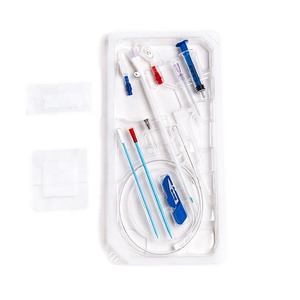
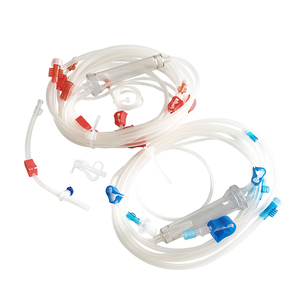
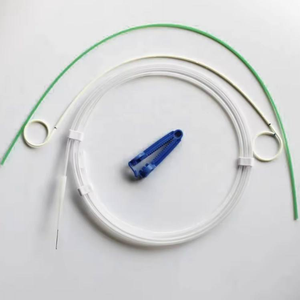
Analyzing procurement standards, regulatory shifts, and contract manufacturing strategies for blood preservation & extracorporeal therapy disposables.
Moscow serves as the central procurement and distribution hub for high-grade medical disposables across the Russian Federation and the broader Eurasian Economic Union (EAEU). With over 120 municipal healthcare facilities, major federal clinical centers such as the O.K. Gavrilov Blood Center of the Moscow City Health Department, and extensive private hemodialysis chains, the demand for medical-grade blood collection bags, blood tubing sets, and central venous access catheters is undergoing rapid modernization.
Hospitals and medical distributors in Moscow are increasingly turning away from localized supply constraints to establish direct OEM/ODM manufacturing partnerships with certified high-capacity global manufacturers. Buyers prioritize high compliance with Eurasian Conformity (EAC) norms, Roszdravnadzor registration dossier readiness, robust cold-chain mechanical stability down to -80°C, and non-leachable plasticizer formulations (TOTM/DEHP-free PVC).
In cold-climate supply chains like Moscow, standard PVC blood collection bags often suffer from plasticizer embrittlement during ultra-low temperature cryopreservation (-80°C for red cell units and fresh frozen plasma). Leading OEM/ODM partners now utilize advanced Tri-octyl Trimellitate (TOTM) modified PVC formulations and medical-grade TPU (Thermoplastic Polyurethane) to ensure zero micro-fracturing during blast freezing and transit across federal logistical corridors.
Comparing structural configurations, anticoagulant formulations, and biocompatibility standards for OEM contract manufacturing.
Available in Single, Double, Triple, and Quadruple configuration formats (100ml to 500ml capacity). Integrated with 16G or 17G ultra-thin wall donor needles with silicone coating for pain-free phlebotomy, safety needle guards, and sampling pouches for pre-donation testing.
Pre-filled with validated sterile solution formulations including CPDA-1 (Citrate Phosphate Dextrose Adenine) providing 35-day red blood cell storage, or CPD/SAGM (Saline Adenine Glucose Mannitol) additive combinations extending erythrocyte viability up to 42 days.
High-efficiency inline leucocyte filters incorporated into OEM blood bag assemblies, achieving residual white blood cell counts < 1 x 10^6 per unit to prevent febrile non-hemolytic transfusion reactions in critical Moscow hospital clinical applications.
| Specification Parameter | Standard PVC Blood Bag | TOTM (DEHP-Free) Blood Bag | TPU / Silicone Dialysis Tubing |
|---|---|---|---|
| Primary Application | Whole Blood Collection (35 Days) | Platelet & Cryo Storage (42+ Days) | Long-Term Hemodialysis & CVC Access |
| Cold Resilience Limit | Down to -20°C | Down to -80°C Cryo | Down to -40°C |
| Plasticizer Leaching Bio-Safety | Low (Trace DEHP allowable) | Zero DEHP / Non-Leachable | 100% Polymerized / Phthalate-Free |
| Sterilization Method | Ethylene Oxide (EO) / Steam | EO Sterilized / Gamma Validated | Gamma Irradiation / EO Validated |
| Hemolysis Index Rate | < 0.8% at expiry | < 0.4% at expiry | Minimal shear stress design |
| Regulatory Standards | ISO 3826, CE MDR Class IIb | ISO 3826, GOST R, EAC Compatible | ISO 10993, CE Class III / MDR |
Customizing medical disposables to meet strict state tender parameters, regional extreme temperatures, and regulatory mandates.
Russian municipal health tenders executed under Federal Laws No. 44-FZ and 223-FZ demand strict technical compliance documents. OEM manufacturers must provide complete technical passports, sterilization release records, and certified translations of technical dossiers to support local registration holders in Moscow.
Logistical routes connecting Moscow central warehouses with regional distribution points across the Central Federal District experience severe winter conditions. Blood bags and tubing must maintain tensile flexibility without microscopic cracking under mechanical vibration in sub-zero freight containers.
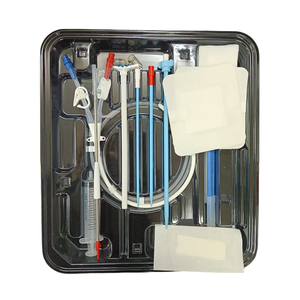
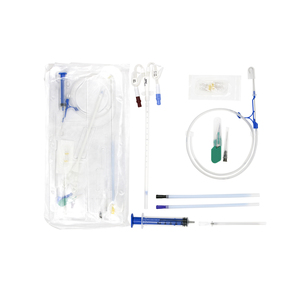
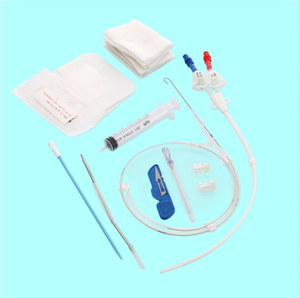
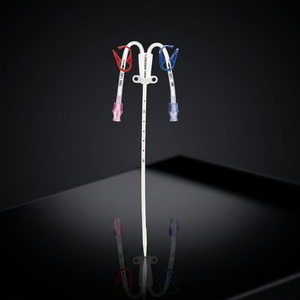
Private outpatient hemodialysis chains in Moscow require customized blood tubing sets tailored to specific dialyzer machine models (e.g., Fresenius, Gambro, Nipro systems). Flexible ODM customized pump segments and drip chamber dimensions are vital for rapid clinic onboarding.
Combining 36+ years of medical device engineering with automated high-volume cleanroom manufacturing.
Our production facilities operate strictly controlled ISO Class 7 and Class 8 environmental cleanrooms. Equipped with automated injection moulding, blow-moulding, high-frequency medical plastic welding, and automated tube assembly lines that eliminate human contamination risks.
Every single batch shipped to Moscow is backed by batch-wise Certificates of Analysis (CoA), Ethylene Oxide (EO) residual testing reports, pyrogenicity testing, bioburden reports, and ISO 10993 biocompatibility documentation to accelerate local Ministry of Health and Roszdravnadzor registration.
We provide full turn-key contract manufacturing services. This includes customized pouch artwork, blister packaging, export master cartons optimized for container loading, Unique Device Identification (UDI) barcoding, and multilingual IFUs (Instructions for Use) in Russian and English.
With direct shipping corridors connecting major international sea ports (Mundra / Nhava Sheva) and rail freight nodes straight into the Moscow transport hub, regular catalogue items ship in 3–4 weeks, while OEM pilot projects move from artwork proofing to batch delivery in 6–8 weeks.
Addressing regulatory compliance, order minimums, custom formulations, and international logistics.
Elevate your medical supply chain in Moscow with direct factory pricing, ISO 13485 cleanroom precision, and comprehensive regulatory support. Contact our international export desk today for technical specification sheets and custom quotes.
Get a Quote