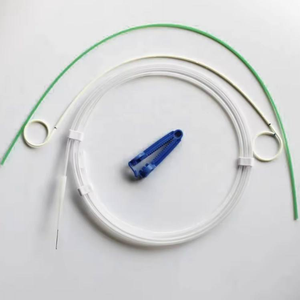
ISO 13485 & CE-Certified Catheters, Feeding Tubes, and Enteral Systems Approved for Hospital Tenders in Egypt
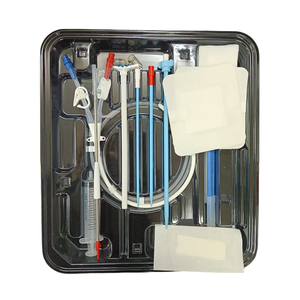
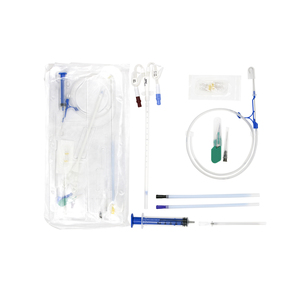
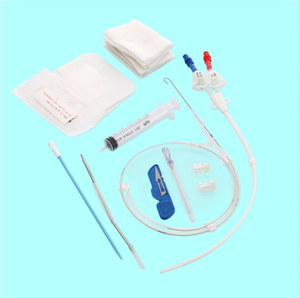
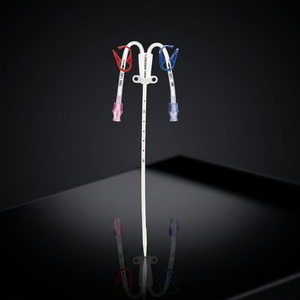
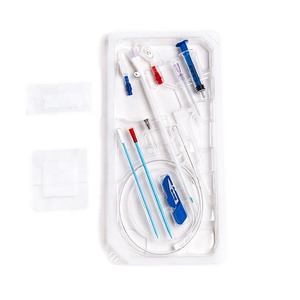
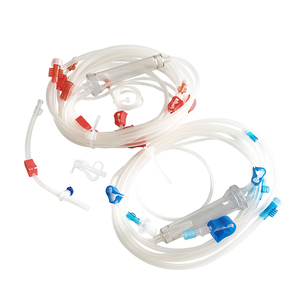
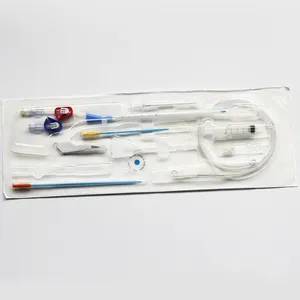
Egypt’s healthcare sector represents one of the largest and most dynamic medical device markets across the Middle East and Africa (MEA) region. Driven by universal health coverage expansions under the Egyptian Ministry of Health and Population (MOHP), coupled with massive infrastructure investments in new clinical facilities such as the Capital Medical City, the demand for high-caliber gastroenterology and enteral feeding consumables has surged significantly. In particular, identifying an audit-verified, highly reliable nasogastric tube supplier & suppliers in the Egypt market is critical for hospital procurement boards, Ministry tenders, private ICU operators, and regional medical distributors.
Over the past decade, clinical preferences in Egyptian intensive care units (ICUs), surgical gastroenterology departments, and pediatric care centers have undergone a structural transition. Where traditional, short-term Polyvinyl Chloride (PVC) Ryle’s tubes were once ubiquitous, clinical protocols are increasingly mandating medical-grade Polyurethane (PUR) and 100% Implant-Grade Silicone nasogastric and enteral feeding tubes. This transition is motivated by a rigorous push toward reducing device-related nosocomial complications, minimizing mucosal ulceration, preventing mechanical pharyngitis, and suppressing hospital-acquired aspiration pneumonia.
In accordance with the regulatory frameworks enacted by the Egyptian Drug Authority (EDA) and the Unified Procurement Authority (UPA / BuySea), all imported gastrointestinal and vascular access devices must possess full biocompatibility compliance under ISO 10993, validated Ethylene Oxide (EO) sterilization dossiers, and traceable Certificates of Analysis (CoA) for every production lot shipped through Alexandria, Sokhna, or Damietta ports.
Furthermore, sourcing high-performance medical disposables directly from established global manufacturers like Mediplus (Shree Umiya Surgical Pvt. Ltd.) equips Egyptian distributors with unprecedented margin stability, robust technical registration files, and supply continuity. Operating out of state-of-the-art ISO Class 7 and Class 8 cleanrooms in Vatva, Ahmedabad, India, Mediplus bridges international engineering quality with localized commercial agility.
For clinical evaluators and chief biomedical engineers in Egyptian healthcare networks, understanding material performance characteristics is paramount during technical evaluation stages. Below is a comparative technical breakdown of gastroenterology feeding and decompression tubes currently supplied to the Egyptian market:
| Performance Parameter | Polyurethane (PUR) NG Tubes | 100% Medical Silicone NG Tubes | Plasticized PVC (Ryle’s Tubes) |
|---|---|---|---|
| Indicated Clinical Duration | Long-Term (up to 30 to 45 Days) | Extended Long-Term (up to 30+ Days) | Short-Term (7 Days Maximum) |
| Enteral Formula Flow Dynamics | High (Thin Wall, Large Inner Lumen) | Moderate (Flexible Wall, Smooth Bore) | Standard (Thicker Wall Profile) |
| Kink Resistance & Memory | Superior (Thermo-Softening Memory) | Excellent (Elastomeric Flexibility) | Moderate (Susceptible to Cinch) |
| Radiopacity & X-Ray Visibility | Continuous Barium Sulfate Line | Full Radiopaque Body or Line | Discontinuous or Co-Extruded Strip |
| Patient Comfort Index | High (Softens at Body Temperature) | Maximum (Non-Irritating Bio-Inert) | Low-Moderate (Leaches Plasticizers) |
| Regulatory Risk Profile | DEHP/Phthalate-Free Compliant | Biologically Inert / Non-Cytotoxic | Requires Strict Phthalate Testing |
Our manufacturing protocols integrate advanced thermo-sensitive polyurethane compounds that remain rigid during initial nasopharyngeal passage—eliminating the need for painful stylet insertion—and subsequently soften at body temperature (37°C). This dramatically reduces trauma to the esophageal mucosa and minimizes the incidence of involuntary tube dislodgement or coiling in the posterior pharynx.
Engineered to Exceed Rigorous ICU Requirements across Cairo, Alexandria, and Upper Egypt Hospitals
Precision-moulded distal closed ends featuring smooth bullet-shaped tips and staggered lateral eyes prevent mucosal vacuum adherence and guarantee uninterrupted liquid formula infusion or gastric suctioning.
Co-extruded radio-dense barium sulfate markings running along the entire length of the tube allow instantaneous bed-side radiologic confirmation of correct gastric placement, preventing lethal pulmonary misdirection.
Equipped with color-coded proximal hubs compatible with international ISO 80369-3 (ENFit) safety standards as well as traditional stepped funnel connectors to prevent enteral-to-IV misconnections.
Clear, indelible depth graduations printed at 45cm, 55cm, 65cm, and 75cm from the distal tip provide nursing staff with immediate visual placement verifications during routine patient shifts.
Individually sealed in medical-grade Tyvek and peelable blister pouches, each batch undergoes validated EO gas processing verified by biological indicators and residual gas chromatographic analysis.
Extensive size range spanning 5Fr, 6Fr, 8Fr (Pediatric/Neonatal) up to 10Fr, 12Fr, 14Fr, 16Fr, 18Fr, and 20Fr (Adult), available with weighted or unweighted distal tips and optional guidewires.
Sourcing medical disposables in Egypt requires an intimate understanding of the operational realities across distinct clinical sectors. Mediplus nasogastric tubes, enteral feeding sets, and vascular access catheters are specifically tailored to meet these diverse institutional demands:
Major tertiary teaching institutions such as Kasr Al Ainy Hospital, Ain Shams University Hospitals, and Mansoura University Medical Complex handle massive patient volumes requiring long-term mechanical ventilation and continuous tube feeding. Our polyurethane NG tubes are extensively selected for these high-turnover settings due to their cost-effectiveness over 30-day wear periods and low complication rates.
Leading private healthcare providers across Greater Cairo, Alexandria, and Giza—including groups under the Saudi German Health, Cleopatra Hospitals Group, and Dar Al Fouad—demand premium-tier silicone and ENFit-compliant enteral feeding devices. These facilities prioritize patient safety, rapid bed turnover, and zero incidence of enteral feeding tube displacement.
Children’s Cancer Hospital Egypt (57357) and specialized pediatric centers require extremely pliable 5Fr and 6Fr polyurethane feeding tubes equipped with ultra-smooth side eyes and soft, non-traumatic distal ends to nourish neonates and immunocompromised pediatric patients safely.
Established in 1988 in Ahmedabad, India, Shree Umiya Surgical Pvt. Ltd., operating globally under the renowned Mediplus brand, has grown into a world-class manufacturer and exporter of single-use medical disposables spanning gastroenterology, dialysis, vascular access, urology, anesthesia, and infusion therapy.
With an expansive footprint across 70+ countries, Mediplus provides Egyptian importers, government tender contractors, and hospital supply chains with unparalleled advantages:
Direct Answers to Common Regulatory, Commercial, and Technical Inquiries from Egyptian Importers
Connect directly with our international export team to receive technical specification sheets, factory-direct wholesale pricing, and sample evaluation packs for the Egyptian market.
Get Catalog