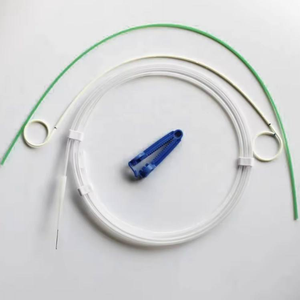
Manufactured under ISO 13485 and CE certifications for Iraqi hospitals, hemodialysis centers, and KIMADIA tender supply lines.
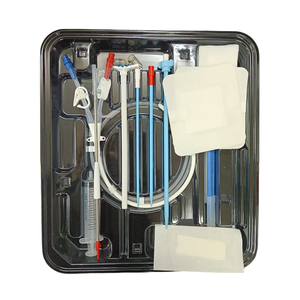
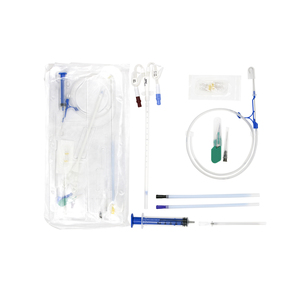
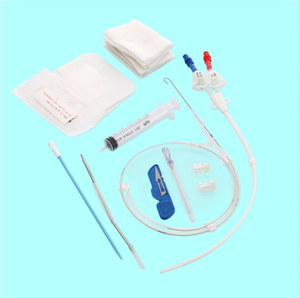
Evaluating clinical parameters, temperature stability demands, and regulatory hurdles for introducing vascular introducer sheaths into public and private Iraqi health systems.
The healthcare architecture across Iraq—spanning federal provinces administered via Baghdad and the Kurdistan Regional Government (KRG) in Erbil—is undergoing rapid institutional modernization. Chronic kidney disease (CKD), traumatic vascular injury, and cardiovascular co-morbidities have expanded the necessity for dependable, high-precision vascular introducer sheath kits and long-term hemodialysis catheters.
Procurement directors serving Iraqi teaching hospitals, specialized nephrology centers (such as Baghdad Medical City and Al-Yarmouk Hospital), and private cath labs require catheter introduction systems engineered to minimize vessel trauma, eliminate air embolism risks, and deliver optimal kink resistance during arterial and venous cannulation.
Navigating the State Company for Marketing Drugs and Medical Supplies (KIMADIA) demands stringent adherence to international quality management systems. Foreign manufacturers and export partners must present exhaustive regulatory dossiers to pass public tender thresholds.
Key documentation essential for Iraqi Ministry of Health (MoH) product registration includes ISO 13485:2016 certifications, EU CE certificates under MDR pathways, legalized Free Sale Certificates (FSC), comprehensive biocompatibility studies (ISO 10993), and validated Ethylene Oxide (EO) sterilization residual analysis.
Sub-tropical and arid climatic conditions in Southern Iraq (Basra, Nasiriyah) present distinct storage challenges where ambient summer temperatures frequently surpass 50°C. Lower-grade medical polymers degrade, leading to sheath shaft softening or premature hub embrittlement.
Our OEM medical-grade Thermoplastic Polyurethane (TPU) and high-density silicone formulations are thermal-stabilized to preserve dimensional integrity, hub torque strength, and smooth sheath-to-dilator transitions even during extended transit through Um Qasr Port or overland customs routes via Jordan and Turkey.
Comprehensive design parameters optimized for interventional cardiologists, nephrologists, and vascular surgeons in Iraq.
| Feature Parameter | Mediplus / OEM Standard Specification | Clinical Advantage for Iraqi Patients | KIMADIA Tender Requirement |
|---|---|---|---|
| Sheath Material Construction | Radiopaque Polyurethane (TPU) / Braided Stainless Steel Inner Core | Prevents sheath kinking during difficult Femoral/Jugular access; high pushability. | ISO 10555 Compliance Mandated |
| Hemostasis Valve Design | Cross-Cut Silicone Hydrophobic Cross-Valve | Zero back-bleeding during guidewire insertion; minimizes blood loss and air embolism. | 100% Leakage Tested per Batch |
| Dilator Transition Zone | Atraumatic Tapered Tip with Smooth Dilator-to-Sheath Seamless Fit | Dramatically reduces insertion force and arterial trauma upon entry. | Atraumatic Insertion Validation |
| Sterilization Method | Ethylene Oxide (EO) Sterilization (ISO 11135 Validated) | Guarantees 10^-6 Sterility Assurance Level (SAL); non-pyrogenic, non-cytotoxic. | Batch Sterilisation Certificate Required |
| Size Range Availability | 4Fr, 5Fr, 6Fr, 7Fr, 8Fr, up to 15Fr for Dialysis Catheters (11cm – 23cm) | Accommodates pediatric, adult cardiology, and intensive hemodialysis applications. | Complete Size Catalog Submission |
| Shelf Life & Packaging | 5 Years Shelf-Life; Medical Grade Tyvek / Film Blister Pouch | Withstands high humidity and dry heat without seal peeling or plastic degradation. | Apostilled Shelf-Life Stability Reports |
Tailored vascular access solutions addressing specific operational demands in major Iraqi provinces.
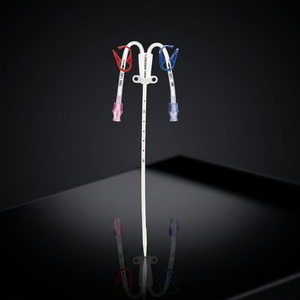
In high-volume public dialysis units across Baghdad (e.g., Al-Kadhimiya & Al-Razi Kidney Centers), patient turnover is immense. The reliance on temporary double lumen catheters (7Fr–12Fr) and long-term silicone cuffed tunneled catheters (15Fr) requires reliable introducer kits equipped with sharp 18G introducer needles and smooth vessel dilators.
Our kits enable rapid, atraumatic Seldinger technique execution, ensuring renal care teams can establish central venous access swiftly while minimizing catheter-related bloodstream infections (CRBSIs) through medical-grade antimicrobial TPU materials.
Private healthcare infrastructure in the Kurdistan region has expanded rapidly, with state-of-the-art cardiovascular centers performing high volumes of Percutaneous Coronary Interventions (PCI). Vascular introducer sheaths with radiopaque markers and hydrophilic coatings are indispensable for smooth navigation through tortuous radial and femoral arteries.
Mediplus introducer sheath sets provide interventional cardiologists with tactile feedback, precise torque responsiveness, and low friction drag, enhancing procedural success rates during stent placement and diagnostic angiography.
Emergency medical centers and trauma units in Basra and Thi-Qar frequently manage acute critical care cases requiring immediate central venous catheterization for fluid resuscitation and hemodynamic monitoring. High-flow single, double, and triple lumen access kits engineered for rapid deployment under emergency conditions are vital.
Each kit contains color-coded extension lines, rotatable suture wings, and flexible guidewires with J-tips to facilitate seamless placement even in hypovolemic patients with collapsed peripheral veins.
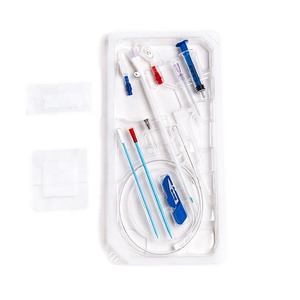
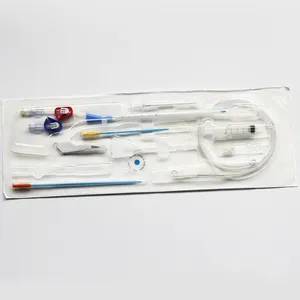
International non-governmental organizations (NGOs) and UN-backed medical relief missions operating in displaced persons camps and remote Iraqi sectors require all-in-one sterile procedural packs. Having introducer needles, guidewires, dilators, scalpels, and sheath assemblies bundled in unified EO-sterilized blister packs reduces cross-contamination risk and simplifies inventory logistics in resource-constrained environments.
Operating under Shree Umiya Surgical Pvt. Ltd. (SUSPL) in Ahmedabad, India since 1988, Mediplus stands as a premier global manufacturer of single-use medical disposables. We combine high-capacity automated production with rigorous quality control systems to deliver landed cost advantages for the Iraqi market.
Strategic insights for medical device distributors, tender bidding firms, and hospital administrators in Iraq.
Iraqi procurement authorities are transitioning away from purchasing standalone components toward comprehensive, single-use procedure kits. Ordering complete introducer sheath sets containing matched guidewires, dilators, scalpel blades, and syringes reduces assembly errors in the operating room and streamlines hospital inventory management.
Due to historical challenges with sub-standard medical disposables entering the market, the Iraqi MoH and private hospital chains are enforcing rigid batch-testing protocols. Manufacturers who provide 100% batch traceability, biological indicator release records, and barcode verification gain a decisive competitive advantage.
While KIMADIA remains the largest bulk buyer, the rapid growth of private healthcare networks in Baghdad, Erbil, Basra, and Najaf has created a parallel high-margin market. Private clinics prioritize brand reputation, low complication rates, and premium packaging aesthetics when sourcing introducer sheaths and central access lines.
Direct answers regarding regulatory documentation, shipping timelines, OEM branding, and product specifications.
All our products are manufactured in ISO 13485 and ISO 9001 certified facilities under ISO Class 7/8 cleanrooms. Consignments destined for Iraq include EU CE certificates, batch-specific Certificates of Analysis (CoA), non-pyrogenic testing reports, and Ethylene Oxide (EO) sterilization release records required for customs clearing and MoH audits.
Yes. Our in-house regulatory desk prepares full registration dossiers including legalised Free Sale Certificates (FSC), ISO 10993 biocompatibility summaries, stability dossiers, plant audit reports, and technical files apostilled by the Iraqi Embassy or relevant authorities as requested by your tender consultant.
Absolute transparency and compliance: We provide complete private-label OEM manufacturing. This includes buyer-specified box branding, multilingual Instructions for Use (IFU) in Arabic and English, custom carton sizes tailored for air or sea freight, and UDI-compliant barcode labels for smooth warehousing.
Standard catalog items have an MOQ starting at one pallet per SKU, while custom OEM private-label programs begin at a single 20-ft mixed container. Standard production lead time is 3 to 4 weeks following artwork confirmation, with shipping routes available via Mundra or Nhava Sheva ports directly to Um Qasr or via air cargo to Baghdad (BGW) and Erbil (EBL).
Our sheaths are molded using advanced thermo-stabilized medical-grade TPU and silicone compounds. Accelerated thermal aging studies validate that our products retain structural elasticity, sheath-to-dilator hub alignment, and burst pressure integrity in temperatures exceeding ambient transport conditions.
You can directly contact our export sales specialists by clicking the Contact Us button on this page. Provide your targeted sizes, SKU volume requirements, and destination port to receive a comprehensive FOB/CIF quotation within 24 business hours.
Partner with an established medical device exporter equipped to fulfill KIMADIA public tenders and private healthcare contracts with precision-engineered vascular access disposables.