
Engineered in ISO Class 7 cleanrooms, certified to ISO 13485 and CE standards, fully validated for hospital supply chains across Mexico City, Guadalajara, and Monterrey.
Analyzing procurement requirements, clinical application contexts, and regulatory frameworks across the CDMX metropolitan area.
The Metropolitan Area of the Valley of Mexico (Zona Metropolitana del Valle de México), encompassing Mexico City and adjacent municipalities, represents one of Latin America's largest concentrations of hospital beds and specialized healthcare institutions. Public health networks such as the Instituto Mexicano del Seguro Social (IMSS), the Instituto de Seguridad y Servicios Sociales de los Trabajadores del Estado (ISSSTE), and the Secretaría de Salud de la Ciudad de México (SEDESA), alongside premier private consortiums like Grupo Hospitalario Ángeles, Hospital Médica Sur, ABC Medical Center, and Hospital Español, maintain high annual consumption volumes of disposable medical catheters, gastric tubes, and enteral feeding disposables.
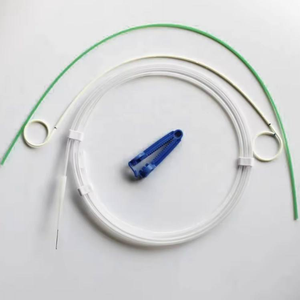
Mexico City faces significant epidemiological challenges, notably high rates of Type 2 diabetes mellitus, post-stroke dysphagia, gastrointestinal malignancies, and severe trauma treated in ICU facilities. Nasogastric tubes (Levin and Salem Sump types) and long-term silicone enteral tubes are primary clinical consumables required for enteral nutrition and gastrointestinal decompression.
Navigating the Federal Commission for the Protection against Sanitary Risks (COFEPRIS) requires medical device importers in CDMX to submit comprehensive technical dossiers. Our products meet ISO 13485:2016, CE MDR compliance standards, and provide full bio-burden, cytotoxicity, and sterilization validation dossiers necessary for Mexican sanitary registrations (Registro Sanitario).
Direct ocean shipments from Ningbo/Shanghai to the Port of Manzanillo or Port of Veracruz, coupled with bonded truck transit directly into central logistics parks in Azcapotzalco, Iztapalapa, and Tepotzotlán, ensure reliable lead times of 22 to 28 days from factory clearance to warehouse delivery.
How specific medical tube configurations serve specialized departments in high-volume CDMX hospitals.
In major public tertiary hospitals like the Hospital General de México "Dr. Eduardo Liceaga" and Centro Médico Nacional Siglo XXI (IMSS), nasogastric and nasoenteric tubes are vital for continuous enteral nutrition and gastric decompression during abdominal surgeries.
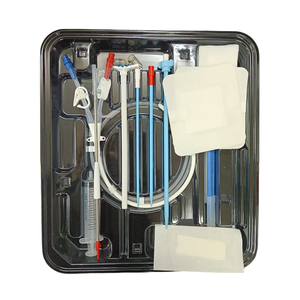
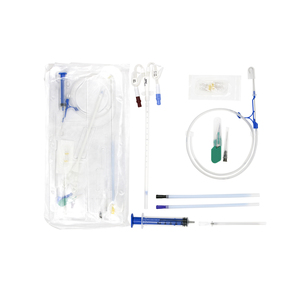
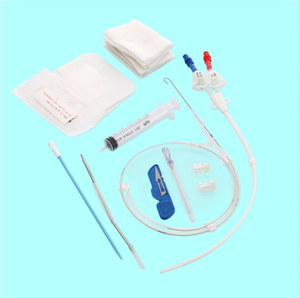
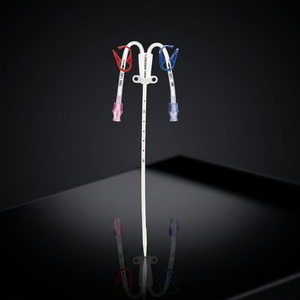
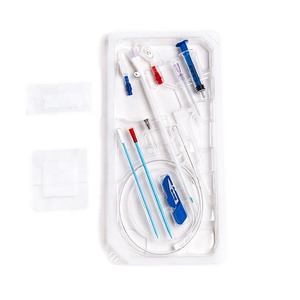
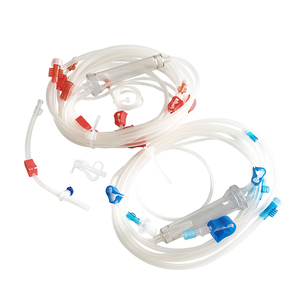
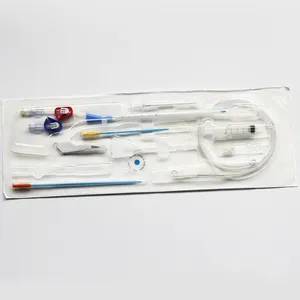
With renal care demands accelerating throughout the Valley of Mexico, regional hemodialysis centers require high-flow, kink-resistant dialysis catheters alongside enteral support devices for critical renal patients.
Private home health networks operating in suburban Mexico City (such as Santa Fe, Interlomas, and Coyoacán) heavily utilize flexible silicone nasogastric tubes for long-term patient maintenance.
Specialized pediatric institutes, such as the Instituto Nacional de Pediatría (INP), demand narrow-gauge, low-friction feeding tubes (Fr 4 to Fr 8) with precise volumetric flow control.
A comparative evaluation framework designed to assist procurement directors in balancing clinical efficacy, dwell duration, and total landed cost.
| Performance Parameter | Plasticized PVC (DEHP-Free) | Medical TPU (Polyurethane) | 100% Medical-Grade Silicone |
|---|---|---|---|
| Recommended Dwell Time | Short-Term (< 7 Days) | Medium to Long-Term (Up to 30 Days) | Long-Term (Up to 90 Days) |
| Biocompatibility Profile | Standard ISO 10993 compliant | High biocompatibility; low tissue reactivity | Superior inertness; non-allergenic & tissue-safe |
| Flexibility & Softening | Rigid at room temperature; minimal body softening | Thermosensitive; softens dynamically at 37°C | Permanently soft and pliable across all temperatures |
| Flow Rate Efficiency | Thick wall construction; standard inner lumen | Ultra-thin wall; larger inner lumen for higher flow | Thicker wall required; slightly reduced flow lumen |
| Kink Resistance | Moderate; risk of occlusion under sharp bends | Excellent structural memory and kink resistance | High flexibility; requires internal spiral reinforcement for suction |
| Landed Cost Index (CDMX) | Economical (Ideal for high-volume tender orders) | Balanced Cost-to-Performance Ratio | Premium Investment (Long-term home care & ICU) |
Combining 36+ years of medical device engineering with automated cleanroom production and strict batch traceability.
From medical-grade polymer compound mixing and precision tube extrusion to automated tip shaping, eye punching, hub molding, and packaging, our entire process is executed in-house. This eliminates sub-assembly quality variation and guarantees uniform dimensional tolerances across millions of units.
All assembly operations take place under strictly controlled atmospheric pressure, temperature, and airborne particle limits. Bio-burden levels are continuously audited, ensuring that every batch meets stringent international microbiological safety thresholds prior to Ethylene Oxide (EO) sterilization.
We provide Mexican distributors with complete technical dossiers, including Free Sale Certificates (FSC), ISO 13485:2016 certificates, CE declaration of conformity, biocompatibility reports according to ISO 10993, and shelf-life stability test data required for seamless COFEPRIS registration.
Tailored packaging options designed specifically for the Mexican market. We offer customized primary blister pouches, shelf cartons, multi-lingual Instructions for Use (IFU in Spanish/English), and barcode/UDI printing complying with Mexican official standard NOM-137-SSA1-2008.
Our production hub incorporates high-capacity rooftop solar generation, reducing the overall carbon footprint per unit produced. Importers partnering with us gain a sustainable, environmentally conscious supply chain partner for corporate ESG compliance.
Every single box exported to Mexico includes a Certificate of Analysis (CoA), biological indicator sterility release report, EO residue test summary, and physical pull-test validation data linked to the raw material lot number.
Addressing essential legal, regulatory, logistical, and custom inquiries for medical buyers in Mexico.
We provide a complete regulatory packet specifically formatted for COFEPRIS submission. This includes our ISO 13485:2016 Quality System Certificate, CE Certificate under EU MDR/MDD, Free Sale Certificate (FSC) legalized or apostilled, biocompatibility test summaries (ISO 10993 for cytotoxicity, sensitization, and intracutaneous reactivity), EO sterilization validation reports (ISO 11135), and 5-year accelerated stability data. Our technical team works directly with your Mexican regulatory proxy or third-party lander.
Nasogastric tubes, feeding tubes, and hemodialysis catheters generally fall under HS Code Tariff Heading 9018.39 (Catheters, cannulae, and the like) or 9018.90 (Other medical instruments). Depending on current trade agreements and preferred tariff classifications in Mexico (Tarifa de la Ley de los Impuestos Generales de Importación y de Exportación - TIGIE), import duty rates range from 0% to 5%, plus standard IVA (16%). We assist with correct export invoice formatting and Certificate of Origin issuing to streamline customs clearance in Manzanillo or Veracruz.
Yes. Mexican Official Standard NOM-137-SSA1-2008 specifies mandatory labeling requirements for medical devices sold in Mexico. We provide private-label OEM printing for primary blister pouches and outer shipping cartons in Spanish, featuring your product description, Mexican Sanitary Registration number (Registro Sanitario), importer details (R.F.C. and company address in CDMX), lot number, manufacturing date, expiration date, sterilization method (Estéril - Óxido de Etileno), and symbol legends.
For standard factory-branded items, our minimum order quantity starts at 5,000 units per SKU. For custom OEM private-label projects with specialized Spanish packaging, MOQs typically range from 10,000 to 20,000 units depending on the French gauge size. Production lead time is generally 3 to 4 weeks after artwork approval, with transit time via ocean freight taking approximately 22 to 26 days to Manzanillo/Veracruz, followed by 2 to 3 days land transit into Mexico City distribution centers.
Our tubes undergo 100% automated pressure decay leak testing and dimensional wall-thickness monitoring during extrusion. Products are sealed in rigid medical-grade thermoformed blister trays or heavy-duty Tyvek pouches to prevent crushing. Master shipping cartons are constructed from 5-ply double-wall corrugated board engineered to withstand high humidity and stacking pressures during maritime transit across the Pacific ocean.
Equip your distribution network in Mexico City with premium, ISO 13485-certified medical consumables. Request our comprehensive 2026 product catalog, technical specifications, and factory-direct pricing today.