
Engineered in ISO Class 7/8 cleanrooms, validated under ISO 13485 and CE MDR frameworks for global hospital networks and B2B distributors.
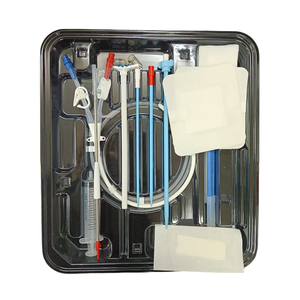
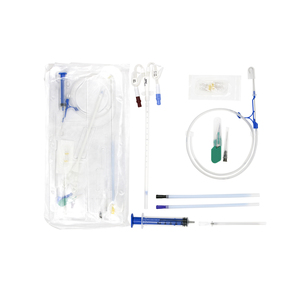
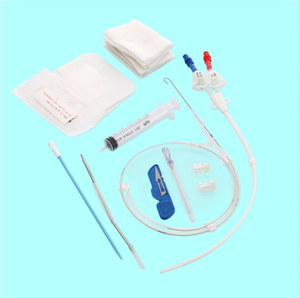
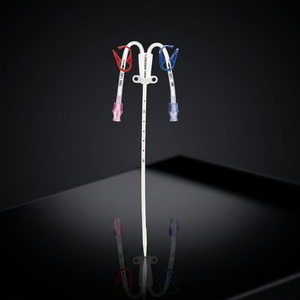
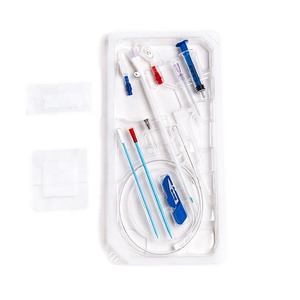
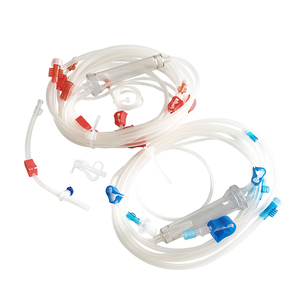
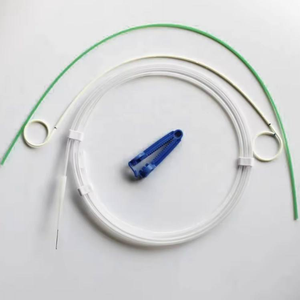
In the evolving global landscape of single-use medical consumables, selecting qualified China IV Cannula factories requires a comprehensive analysis beyond unit cost. Intra-venous (IV) cannulae, central venous access kits, and hemodialysis catheters represent critical clinical touchpoints. A minor failure in lumen concentricity, needle sharpening angle, or polymer biocompatibility can result in phlebitis, vascular trauma, or nosocomial bloodstream infections.
Tier-1 medical disposable manufacturers in Asia have transitioned from basic contract manufacturing to fully integrated, technology-driven OEM/ODM production ecosystems. Operating under strict global compliance regimes—including ISO 13485:2016, EU MDR (Regulation 2017/745), and US FDA 21 CFR Part 820—leading facilities utilize automated injection moulding, laser-guided catheter tipping, and continuous ethylene oxide (EO) sterilization validation to supply group purchasing organizations (GPOs), ministry tenders, and multinational brands worldwide.
Vascular catheter manufacturing relies heavily on advanced material science. Modern IV cannulae and hemodialysis catheters utilize specific medical-grade polymers depending on dwell time, clinical indication, and insertion site dynamics. Hospital procurement officers must evaluate material specifications against international standards (ISO 10555 series for sterile intravascular catheters).
| Polymer / Material | Clinical Application | Biocompatibility & Dwell Time | Key Technical Advantages |
|---|---|---|---|
| FEP (Fluorinated Ethylene Propylene) | Peripheral IV Cannulae (14G – 26G) | Short-term (< 72 Hours) / ISO 10993 compliant | Low friction coefficient, high chemical resistance, crisp bevel transition. |
| PUR (Thermoplastic Polyurethane) | Safety IV Cannula & CVC Kits | Medium-to-Long term (< 30 Days) | Thermosensitive softness upon insertion; minimizes vascular intima trauma and phlebitis. |
| Medical Grade Silicone | Permanent Tunneled Hemodialysis Catheters | Long-term / Permanent (> 30 Days) | Exceptional flexibility, inert tissue response, radiopaque stripe integration, high flow velocity. |
| Stainless Steel (Japanese 304/316L) | Introducer & Cannula Needles | Instantaneous Penetration | Tri-bevel needle tip geometry, ultra-thin wall design, siliconized for painless venipuncture. |
When auditing top China IV cannula suppliers, technical documentation must include bioburden testing, EO residue limits (ISO 11135), pull-strength threshold verification between hub and tube, and hydrostatic burst pressure resistance ratings.
Distinguished manufacturers maintain granular quality control by running granule-to-carton vertically integrated production. Raw plastic resins (PVC, TPU, Silicone) undergo strict incoming lot verification before entering ISO Class 7 (10,000) and Class 8 (100,000) cleanrooms.
A resilient medical supply chain hinges on robust regulatory support. Leading export factories provide complete turn-key technical dossiers enabling rapid MoH (Ministry of Health) registration across Europe, Latin America, Middle East, and Asia-Pacific.
Procurement directors and hospital GPO managers must align their supply chains with evolving global clinical demands. Over the next decade, three key technological transitions will dictate supplier viability in the IV cannula and vascular access sector:
Worldwide healthcare legislation is mandating passive needle-stick prevention devices. Automated shielding mechanisms that enclose the needle tip immediately upon retraction protect nursing staff from bloodborne pathogen exposure without requiring additional operational steps.
Long-term dialysis catheterization faces persistent challenges from fibrin sheath formation and catheter-related bloodstream infections (CRBSI). Advanced factories are integrating heparin-bonded surfaces and hydrophilic silver nanoparticle coatings to dramatically improve catheter patency.
Driven by global decarbonization mandates, top medical factories are incorporating non-DEHP plasticizers, renewable rooftop solar power energy sources, and recyclable packaging materials to lower the carbon footprint per thousand sterile units produced.
Key practical considerations addressed by senior regulatory specialists and export logistics desk officers:
Importers should ensure the factory holds ISO 13485:2016 Medical Devices Quality Management System certification, ISO 9001, and valid CE Certificates under EU MDR 2017/745. For US distribution, 510(k) clearances and FDA device registrations are mandatory. Batch-specific Certificates of Analysis (CoA), sterilisation validation reports (ISO 11135), and ISO 10993 biocompatibility summaries must accompany every export shipment.
Standard catalog items typically begin at 1 pallet per SKU (approx. 5,000–10,000 units depending on packaging). Private label / OEM contracts start at a single 20-foot container load with mixed SKUs. Lead times range from 3 to 4 weeks for catalog items, and 5 to 7 weeks for initial OEM orders requiring custom artwork, multilingual IFUs, and brand proofing.
Products undergo validated Ethylene Oxide (EO) sterilization or Gamma Irradiation. Tyvek® or high-barrier medical pouch packaging ensures seal integrity and moisture resistance. Every sterilization load is released only after passing biological indicator assays, chemical color indicators, and EO residue aeration limits. Products carry a validated 3 to 5-year shelf-life under recommended storage conditions.
Yes. The regulatory team supplies comprehensive technical documentation including Free Sale Certificates (FSC), CE Certificates, ISO 13485 documentation, Plant Master Files (PMF), Stability Test Data, Biocompatibility Test Summaries, and legalized/apostilled documents required for MoH tender filings globally.
Whether you require tender-ready standard disposables, high-volume OEM private labeling, or specialized hemodialysis catheter kits, our technical team is ready to assist your procurement needs.