
High-precision Class II and Class III disposable devices manufactured under ISO 13485 quality systems and validated EO sterilization protocols for global hospital distribution.
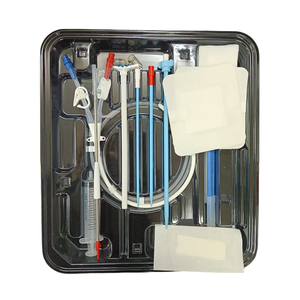
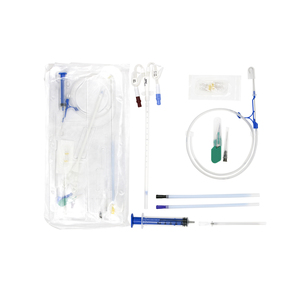
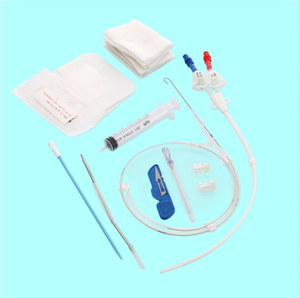
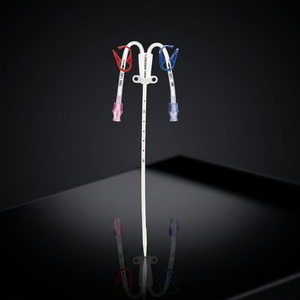
An executive guide for hospital procurement committees, medical device importers, and ministry tender agents evaluating barrier efficiency, fluid management, and bio-safety compliance.
In modern clinical operating theatres and extracorporeal dialysis units, surgical drapes and vascular access consumables represent the primary defense mechanism against Surgical Site Infections (SSIs) and Catheter-Related Bloodstream Infections (CRBSIs). According to World Health Organization (WHO) epidemiological studies, healthcare-associated infections increase patient morbidity, extend hospital stays by an average of 9.5 days, and elevate post-operative healthcare expenditures significantly.
Selecting a top-tier surgical drape manufacturer or specialized dialysis disposable supplier requires looking beyond unit pricing. Procurement directors must rigorously audit liquid barrier resistance (measured under ANSI/AAMI PB70 standards), linting characteristics (ISO 9073-10), tensile burst strength, and cleanroom bioburden levels. Leading OEM suppliers integrate multi-layer nonwoven laminates—combining Spunbond-Meltblown-Meltblown-Spunbond (SMMS) structures with impervious polyethylene (PE) films and absorbent nonwoven zones—to ensure absolute liquid control during long procedures.
Procurement Information Gain Tip: ANSI/AAMI PB70 standard establishes a four-level classification system for protective apparel and drapes. For high-fluid orthopedic, cardiovascular, or renal procedures, hospital teams should mandate AAMI Level 4 compliance (resisting viral penetration under ASTM F1671 testing) rather than standard AAMI Level 2 or 3 barrier barriers.
When shortlisting high-capacity disposable medical suppliers across international manufacturing hubs (such as India, EU, and Southeast Asia), procurement officers should grade prospective vendors against this standardized metric:
| Evaluation Parameter | Tier 1 Standard (Industry Leading) | Tier 2 Standard (Standard Quality) | Risks of Non-Compliance |
|---|---|---|---|
| Cleanroom Standards | ISO Class 7 (10,000) & Class 8 Assembly | Controlled Unclassified Area | Pre-sterilization bioburden spike, endotoxin contamination |
| Barrier Compliance | ANSI/AAMI PB70 Level 3 & Level 4; ISO 13795 | AAMI Level 1 / 2 basic fluid resistance | Fluid strike-through, intraoperative pathogen transfer |
| Quality Certification | ISO 13485:2016, EU MDR 2017/745 CE, US FDA Listed | ISO 9001 basic QMS only | Customs seizure, tender disqualification, regulatory rejection |
| Material Formulation | Biocompatible Medical Grade Polyurethane (TPU) / Silicone | Recycled plasticizers, non-medical PVC | Phthalate leaching (DEHP risk), tissue toxicity, vessel trauma |
| Sterilization Validation | EO Sterilization ISO 11135 / Gamma ISO 11137 validated | Unvalidated batch processing | Sterility failure, EO gas residue toxicities |
| Traceability & UDI | Full lot traceability from raw polymer to UDI barcode | Basic batch number tracking | Inability to execute targeted recall during adverse events |
Key structural shifts transforming medical textile sourcing, supply chain resilience, and material science over the next decade.
Global hospital networks are moving away from single-source geographical dependencies. India has emerged as a premier worldwide hub for high-precision sterile medical disposables, leveraging vertically integrated polymer processing, advanced cleanroom infrastructure, and cost-effective regulatory compliance dossiers.
Environmental sustainability is becoming a key scoring metric in public healthcare tenders across the EU and North America. Manufacturers are developing recyclable SMMS nonwovens and bio-based polyethylene films that maintain fluid barrier integrity while reducing hospital incinerator carbon emissions.
Hospitals are increasingly abandoning individual SKU sourcing in favor of custom procedural packs. Complete surgical drape packs—inclusive of incision films, fluid collection pouches, and matching catheter kits—reduce surgical setup time by up to 40% and eliminate cross-contamination risks.
How next-generation polymer formulations and surface functionalization elevate clinical outcomes in operating rooms and renal units.
Modern surgical drape fabrics utilize zoned material engineering. While peripheral zones feature hydrophobic SMMS to repel body fluids, critical zone incision sites incorporate hydrophilic treatments paired with antimicrobial agents (such as chlorhexidine or silver nanoparticles). This dual technology immobilizes localized skin flora and prevents bacterial migration into surgical wounds during lengthy procedures.
Furthermore, integrated 3D fluid collection pouches with heavy-duty strainers allow surgical teams to monitor real-time blood and irrigation fluid loss with extreme accuracy, safeguarding patient hemodynamics.
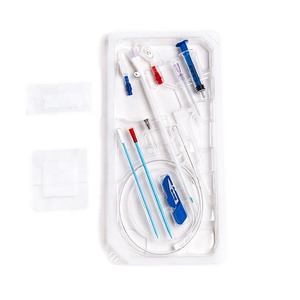
Traditional rigid PVC catheter lines present significant vascular trauma risks and thrombogenicity. Advanced hemodialysis catheters utilize thermosensitive Medical-Grade TPU. These catheters remain firm at room temperature to facilitate easy insertion over guidewires, but soften upon insertion at body temperature (37°C), conforming to venous anatomy.
Combined with soft, biocompatible silicone cuffs that encourage fibrous tissue ingrowth, tunneled permanent HD catheters provide stable long-term vascular access with dramatically lower infection and thrombosis rates.
Operating from Vatva, Ahmedabad, Shree Umiya Surgical Pvt. Ltd. (Mediplus) combines 36+ years of manufacturing authority with global regulatory approval systems.
Extrusion, injection molding, and assembly take place in ISO Class 7 and Class 8 positive-pressure cleanrooms equipped with real-time HEPA air filtration and micro-particle environmental monitoring.
Our dedicated in-house regulatory team maintains comprehensive CE MDR technical documentation, ISO 10993 biocompatibility test records, stability studies, and Free Sale Certificates for rapid national health authority registration.
From custom pouch printing and multilingual Instructions For Use (IFU) to GS1-compliant UDI barcodes and specialized carton sizing, we tailor export shipments to match regional distributor specifications.
Direct technical answers for hospital purchasing consultants, tender compliance officers, and medical importers.
Our manufacturing facility in Vatva, Ahmedabad operates under a Quality Management System certified to ISO 13485:2016 and ISO 9001. Product lines carry CE marking under the European Union Medical Device Regulation (EU MDR 2017/745) pathway. Every export batch is subjected to bioburden testing, endotoxin verification, and tensile release testing, accompanied by a formal Certificate of Analysis (CoA) and Sterilisation Release Certificate.
Our surgical drapes are manufactured using high-density SMMS and multi-layer laminated materials engineered to achieve ANSI/AAMI PB70 Level 3 and Level 4 liquid barrier protection. Critical zone areas resist hydrostatic pressure tests (AATCC 127) and synthetic blood penetration (ASTM F1670), ensuring complete fluid impermissibility during high-volume surgical procedures.
We utilize thermosensitive, biocompatible Medical-Grade Thermoplastic Polyurethane (TPU) and implant-grade medical silicone. The catheters feature radiopaque barium sulfate compounding for clear X-ray visualization, soft atraumatic tips to minimize vascular intima damage, and porous Dacron tissue cuffs that promote subcutaneous anchoring to mitigate catheter dislodgement and microbial exit-site infections.
For standard catalogue SKUs, minimum order quantities start at one pallet per SKU. Custom OEM or private-label packaging programs typically require a minimum order of one 20-foot container (FCL) mixed load. Standard production lead time is 3 to 4 weeks following artwork confirmation, with export shipping handled via Mundra or Nhava Sheva ports under FOB, CIF, or CFR terms.
Single-use devices are sterilized using 100% Ethylene Oxide (EO) gas cycles validated strictly to ISO 11135 standards, or Gamma Irradiation compliant with ISO 11137. Each chamber cycle utilizes chemical indicators, biological indicators (Bacillus atrophaeus), and gas chromatography testing to ensure EO residue levels remain far below ISO 10993-7 allowable thresholds before release.
Yes. Our in-house regulatory desk compiles and authenticates complete registration dossiers—including Free Sale Certificates (FSC), ISO 13485 certificates, CE declarations of conformity, plant master files, stability test summaries, and legalised/apostilled documentation required by Ministry of Health authorities across Latin America, the Middle East, Africa, CIS, and Southeast Asia.
Partner with an ISO 13485 & CE certified manufacturer with over 36 years of international supply experience. Contact our technical export sales team for customized volume pricing, product samples, and OEM specifications.