
Explore our export-grade portfolio spanning medical fluidics, high-modulus carbon composites, industrial telescopic wands, and heavy-duty mechanical extensions.
Modern supply chains demand vertical integration, stringent material compliance, and full manufacturing transparency.
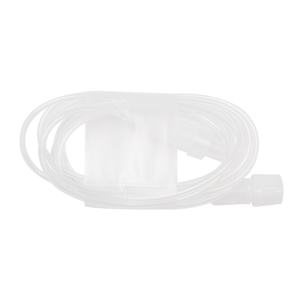
State-of-the-art multi-layer co-extrusion technology supporting PVC, Polyurethane (TPU), Polyethylene (PE), and custom fluoropolymers with wall thickness tolerances controlled down to ±0.01mm.
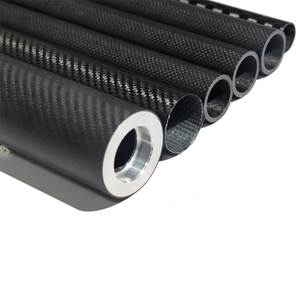
Specialized fabrication for structural extension rods, utilizing pre-preg roll wrapping for carbon composites and automated CNC tube bending/threading for stainless steel and gooseneck assemblies.
Our medical production environment operates under ISO 13485 QMS standards, with cleanroom assembly compliant with ISO Class 7/8 specifications, backed by EU MDR technical files.
Validated in-house Ethylene Oxide (EO) and Gamma irradiation cycles. Every medical lot undergoes bioburden, pyrogen, tensile, and ISO 10993 biocompatibility verification before dispatch.
From custom ID/OD dimensions, specific shore hardness, and anti-kink spiral geometry to buyer-branded blister artwork, UDI barcode printing, and custom packaging configurations.
Integrated rooftop solar power infrastructure reduces carbon intensity per batch. Streamlined export shipping via major maritime hubs with complete regulatory registration support.
In global procurement, extension tubing represents a critical structural and fluidic component utilized across healthcare, industrial automation, consumer electronics, and heavy machinery. Selecting the right original equipment manufacturer (OEM) or original design manufacturer (ODM) requires an in-depth understanding of material science, tolerance threshold engineering, regulatory pathways, and scalable production methodologies.
Whether sourcing single-use medical extension connecting lines designed for critical care infusion or high-modulus telescopic carbon fiber poles for industrial field operations, strategic buyers must look beyond initial unit pricing. The overall value equation is determined by long-term manufacturing repeatability, supply chain resilience, certified quality management systems (QMS), and absolute compliance with international benchmarks such as ISO 13485, CE MDR, REACH, and RoHS.
Selecting the optimal raw material substrate is the foundation of extension tube performance. The comparative matrix below outlines key engineering characteristics across major product categories:
| Material Category | Key Substrates | Primary Applications | Tensile / Pressure Rating | Core Regulatory Certifications |
|---|---|---|---|---|
| Medical Grade Polymers | Plasticized PVC (DEHP-Free), TPU, Silicone | IV infusion, arterial monitoring, veterinary fluid lines | Up to 4.5 bar (high pressure) / 50N pull strength | ISO 13485, CE MDR, ISO 10993, US FDA |
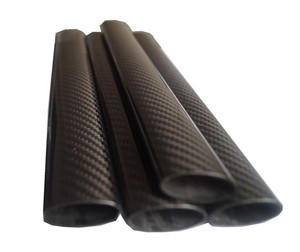
| Carbon Fiber Composites | 3K / 12K Pre-preg Carbon Fiber (240 GPa Modulus) | Telescopic camera poles, inspection wands, drone arms | Bending strength > 600 MPa / Ultra-lightweight | RoHS, REACH, ISO 9001 |
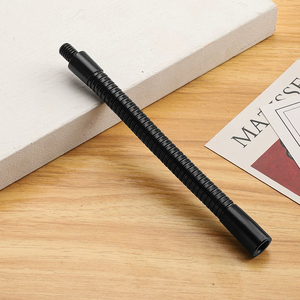
| Flexible Metallic Hoses | Gooseneck Steel Wire + Brass/Zinc Connectors | Desk mount holders, mic arms, industrial light conduits | High holding torque / 10,000+ flex cycles | RoHS, Salt Spray 96h Anti-Corrosion |
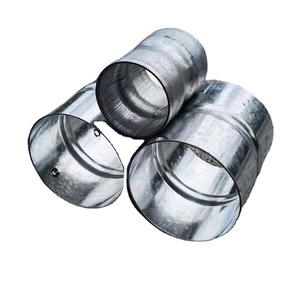
| Rigid Structural Alloys | Stainless Steel 304/316, Extruded Aluminum | Outdoor pipe joint expansion, structural sockets, wands | High yield strength / Weld-free connection | ASTM A269 / ISO 9001 |
| Engineered Thermoplastics | ABS, Polypropylene (PP), Polyamide (Nylon) | Vacuum cleaner extension wands, appliance tubes | Impact resistant / Smooth internal bore | REACH, Appliance Safety Standards |
The global manufacturing ecosystem for extension tubing is undergoing a rapid transition driven by four key technological pillars:
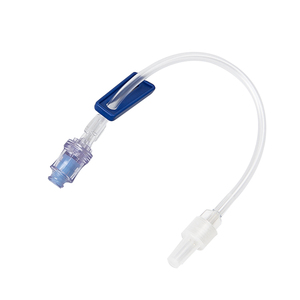
1. Smart & Needle-Free Infusion Fluidics: In clinical settings, clinical safety standards demand needleless access sites, integrated check valves, and low dead space T-connectors. These innovations eliminate needle-stick injuries while minimizing residual medication waste during high-cost pharmaceutical delivery.
2. Advanced Composite Layering: Industrial and commercial extension poles are transitioning from standard aluminum to high-modulus, roll-wrapped carbon fiber composites. By optimizing fiber orientation angles (0°/90° cross-ply), modern OEM factories produce extension poles that achieve maximum axial stiffness with up to 60% weight reduction compared to metallic counterparts.
3. Sustainable Polymer Synthetics: Environmental regulations (such as EU REACH restrictions on specific plasticizers) are accelerating the adoption of bio-compatible, non-phthalate plasticizers (e.g., TOTM, DINCH) and thermoplastic elastomers (TPE). OEM exporters with dedicated R&D labs are leading this transition without compromising tube flexibility or kink-resistance.
4. Automated Inline Quality Assurance: Leading contract manufacturers now integrate continuous laser micrometer extrusion monitoring and high-speed vision inspection systems. These automated tools measure outer diameter (OD), inner diameter (ID), wall concentricity, and microscopic surface defects in real-time, enforcing zero-defect manufacturing standards.
Founded in 1988, our manufacturing enterprise (operating under the Mediplus / SUSPL umbrella and international industrial partnerships) brings over 36 years of specialized manufacturing experience to the global market. Operating out of advanced production facilities in Vatva, Ahmedabad, India, our continuous investment in vertical integration enables seamless control over every step of the production cycle—from raw material resin compounding to cleanroom extrusion, precision assembly, packaging, and sterilisation release.
Our ISO Class 7 and Class 8 controlled cleanrooms house automated micro-extrusion and injection moulding machinery. By performing moulding, tube drawing, and joint bonding under strictly controlled pressure, humidity, and airborne particulate protocols, we guarantee biological cleanliness and mechanical precision for demanding medical and industrial applications.
Certified under ISO 13485 and ISO 9001, our plants operate comprehensive lot-traceability protocols. Every export shipment is released only after undergoing rigorous batch testing—including tensile pull tests, burst pressure evaluation, particulate counting, EO residue analysis, and full Certificate of Analysis (CoA) documentation.
In addition to technical excellence, our operations prioritize corporate sustainability. Incorporating extensive rooftop solar power generation systems across our manufacturing plants significantly reduces the carbon footprint associated with high-volume polymer processing, allowing global buyers to meet their Scope 3 ESG supply chain carbon reduction goals.
Detailed technical, regulatory, and logistics answers curated by our senior engineering and export compliance team.
Our production facilities operate under strict ISO 13485 and ISO 9001 Quality Management Systems. For medical-grade extension sets, our product families hold CE certification under the European Union Medical Device Regulation (EU MDR) and are manufactured in validated ISO Class 7 and Class 8 cleanrooms. Full batch production records, sterilisation validation dossiers, and Certificates of Analysis (CoA) accompany every export consignment.
We provide end-to-end customization. Parameters include custom tubing dimensions (ID/OD/length), material formulations (DEHP-free PVC, TPU, silicone, carbon fiber weave, metal alloys), shore hardness levels, color tinting/striping, connector types (Luer locks, needle-free valves, quick-release clamps, threaded brass/steel sockets), brand artwork printing, multilingual IFUs, and custom blister packaging.
Medical extension tubing is sterilised via validated Ethylene Oxide (EO) gas or Gamma Irradiation processes in strict adherence to ISO 11135 and ISO 11137 standards. Physical, chemical, and biological indicators verify every cycle. Shelf-life stability is validated through real-time and accelerated aging studies (ISO 11607), establishing 3-to-5-year sterile barrier integrity.
Standard catalogue items typically start at an MOQ of 5,000 to 10,000 units depending on the SKU. Private-label OEM/ODM contracts usually begin at one 20-ft container mix. Lead time for standard repeat orders is 3–4 weeks upon artwork approval. Initial custom tooling or registration-linked prototypes require 6–8 weeks for sample validation and trial batch production.
Yes. Our dedicated international regulatory affairs desk provides comprehensive technical documentation—including Free Sale Certificates (FSC), ISO 13485/CE certificates, technical construction files (TCF), ISO 10993 biocompatibility summaries, and stability test dossiers—required by Health Ministries across Europe, the Middle East, Latin America, Africa, CIS, and Southeast Asia.
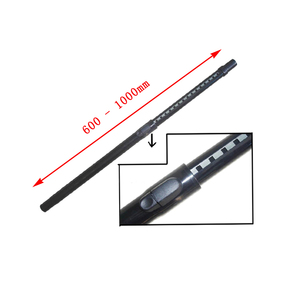
Carbon fiber telescopic poles undergo rigorous structural testing including three-point bending strength analysis, axial column load testing, twist-lock torque retention tests, and environmental chamber cycling (hot/cold resistance). This ensures minimal deflection and zero structural delamination under heavy field loads.
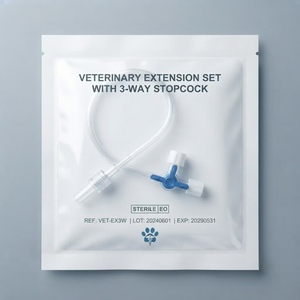
Low dead space designs minimize internal fluid priming volume. In pediatric and veterinary care—where drug dosages are microscopic—reducing dead space prevents medication entrapment inside the tube junction, ensuring exact volumetric dosing and rapid intravenous drug onset.
We routinely export through major sea and air transport hubs (such as Mundra, Nhava Sheva, and international air cargo terminals). We support FOB, CIF, CFR, DDP, and EXW Incoterms. Cartons are structurally optimized for palletization and container space maximization to lower ocean freight cost per unit.
Connect directly with our engineering and procurement team for technical specifications, custom CAD tooling evaluation, OEM quotation matrices, and sample dispatch.
Get a Quote