
ISO 13485 and CE Certified Class II & Class III Single-Use Medical Consumables
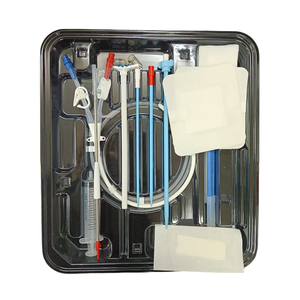
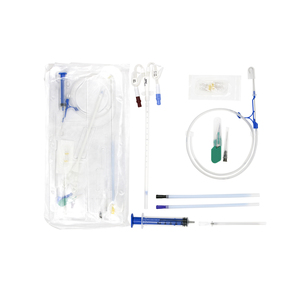
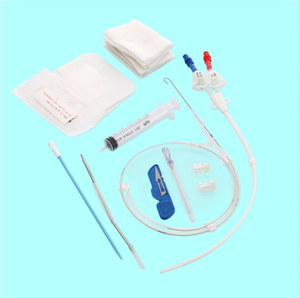
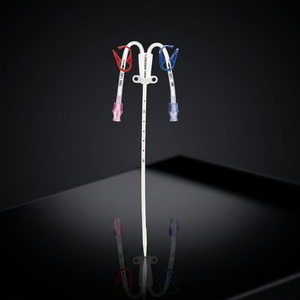
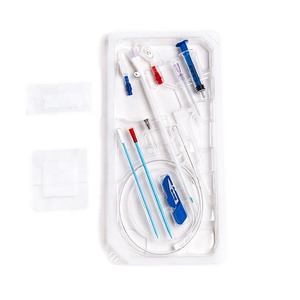
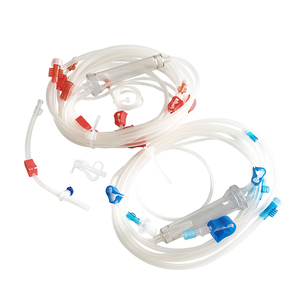
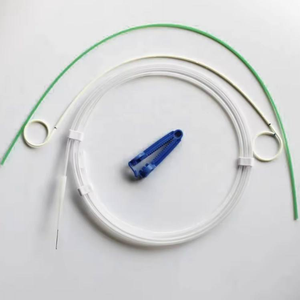
In modern transfusion medicine and extracorporeal therapies, OEM/ODM Blood Bag Factories & Exporters play a pivotal role in guaranteeing biological stability, hemocompatibility, and mechanical integrity throughout the cold chain management of blood components. Selecting an OEM/ODM production partner requires an in-depth technical analysis of material formulations, plasticizer safety profiles, anticoagulant stability, and cleanroom extrusion protocols.
Human blood components—red blood cells (RBCs), fresh frozen plasma (FFP), and platelets—are highly sensitive to surface interactions, shear stress, and chemical leaching. State-of-the-art OEM blood bag manufacturing demands strict adherence to international regulatory frameworks, including ISO 3826 (Plastics containers for human blood and blood components) and ISO 10993 (Biological evaluation of medical devices).
Historically, flexible Polyvinyl Chloride (PVC) plasticized with Di(2-ethylhexyl)phthalate (DEHP) served as the industry standard due to its unmatched flexibility and ability to stabilize red blood cell membranes during extended cold storage (up to 42 days). However, evolving global regulations—such as EU MDR 2017/745 and REACH compliance mandates—have accelerated the industry-wide transition toward non-phthalate plasticizers and alternative polyolefin structures.
Offers excellent RBC membrane preservation. Utilized primarily in specific single-use applications where leaching thresholds strictly conform to ISO 10993-17 chemical characterization standards.
Butyryl trihexyl citrate (BTHC) and DINCH plasticizers provide zero phthalate migration risk, specifically engineered for pediatric transfusion, long-term platelet storage, and sensitive renal care procedures.
Thermoplastic Polyurethane (TPU) and multilayer co-extruded ethylene vinyl acetate (EVA) films eliminate leaching entirely, offering ultra-high gas permeability ideal for 5-day platelet oxygenation.
Leading OEM/ODM exporters must provide precise automated dosing of sterile anticoagulant and additive solutions within closed-loop blood bag collection systems. Standard liquid formulations include:
Global medical procurement managers, tender directors, and OEM buyers face an unprecedented combination of regulatory tightening, supply chain regionalization, and rising clinical standards. Navigating these shifts requires partnering with established contract manufacturers capable of delivering both compliance stability and total cost optimization.
The phase-out of the old Medical Device Directive (MDD 93/42/EEC) in favor of EU MDR has placed stringent clinical evaluation, post-market surveillance (PMS), and Unique Device Identification (UDI) tracking mandates on Class IIa, IIb, and Class III medical disposables. Importers are consolidating vendors to factories that possess complete technical dossiers, notified-body audited QMS, and live regulatory support.
Hospital purchasing organizations (GPOs) and international humanitarian tenders (WHO, UNICEF, Red Cross) are actively diversifying procurement away from single-source manufacturing countries. India has emerged as a global powerhouse for cost-efficient, high-precision medical disposable manufacturing—leveraging advanced automated injection molding, skilled bio-engineering talent, and direct port connectivity via Mundra and Nhava Sheva.
Modern blood banks and hemodialysis networks are mandating machine-readable ISBT 128 standard labeling and embedded UHF RFID tags directly onto primary blood bags and tubing assemblies. OEM manufacturers must integrate automated inline thermal printing and high-precision barcode verification to ensure 100% vein-to-vein chain-of-custody accuracy.
Sustainable healthcare procurement now scrutinizes the energy intensity of medical disposables factories. Modern OEM facilities are deploying rooftop photovoltaic (PV) solar energy infrastructure, closed-loop water cooling for injection machinery, and eco-friendly carton packaging to minimize the cradle-to-gate carbon footprint per unit.
When auditing an OEM/ODM blood bag or catheter manufacturer, professional buyers should request verification of three crucial operational indices: (1) Inline Particulate Monitoring (ISO 14644-1 Class 7/8 standards), (2) ETO Residue Limits (<4mg/device per ISO 10993-7), and (3) Burst Pressure Thresholds (>2.5 bar dynamic seal resilience).
The technological landscape for blood bags, hemodialysis blood tubing sets, and central venous catheters is advancing rapidly. Manufacturers are adopting state-of-the-art polymer chemistry, anti-thrombotic coatings, and zero-touch robotic automation to optimize clinical outcomes and lower infection rates in nephrology and intensive care units.
Vascular access devices—such as long-term tunneled hemodialysis catheters and central venous lines—face constant clinical challenges regarding catheter-related bloodstream infections (CRBSIs) and lumen thrombosis. Next-generation OEM product development focuses on:
Manual contact during assembly introduces bioburden risk. Modern OEM/ODM factories feature fully automated production lines housed within ISO Class 7 and Class 8 cleanrooms. Automated vision inspection systems verify seal geometry, tubing lumen concentricity, and needle point sharpness at speeds exceeding 120 components per minute, eliminating human error prior to sterilization validation.
Operating under the recognized Mediplus brand name (Shree Umiya Surgical Pvt. Ltd., established 1988 in Ahmedabad, India), our manufacturing infrastructure delivers comprehensive contract manufacturing solutions for multinational medical distributors, national health ministries, and private-label brand holders.
Over 50,000 sq. ft. of climate-controlled ISO Class 7 & Class 8 cleanroom facilities, equipped with state-of-the-art injection molding machines, automated extrusion lines, and ultrasonic welding units.
In-house automated Ethylene Oxide (EO) sterilization chambers operating under strict ISO 11135 guidelines. Every cycle is released via biological indicators and gas chromatography EO residue testing.
Full support for global product registrations, including ISO 13485:2016 certifications, EU MDR CE mark technical files, Free Sale Certificates (FSC), Biocompatibility (ISO 10993) reports, and stability data.
From initial mold tool design and rapid prototyping to custom packaging, private-label artwork proofing, and container-optimized logistics, our dedicated export engineering team ensures rapid market entry for your brand.
Essential Insights for Global Procurement Officers and OEM Partners
Request technical specifications, request physical samples for clinical evaluation, or request a competitive bulk quotation for your market.