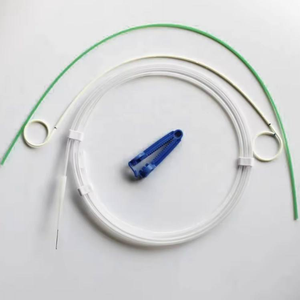
Direct-from-factory medical devices engineered for operating theatres, intensive care units, and specialized renal care facilities.
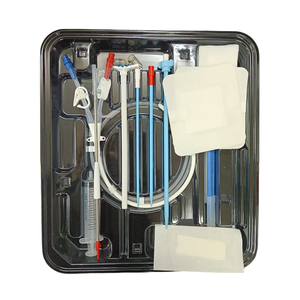
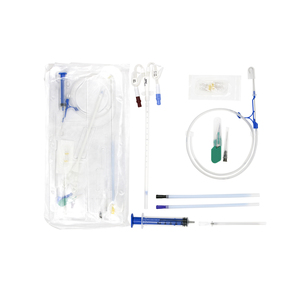
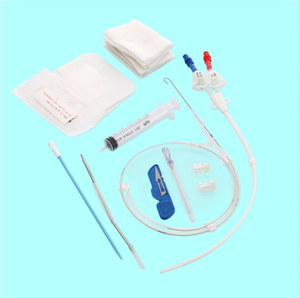
An in-depth analysis of liquid barrier performance, material polymer structures, and regulatory compliance standards for hospital procurement managers.
When sourcing surgical gowns from China wholesale suppliers, understanding the strict barrier requirements defined by ANSI/AAMI PB70 and EN 13795 is fundamental to ensuring healthcare worker safety and patient outcome integrity.
Modern medical non-wovens have evolved far beyond basic spunbond materials. Premier China wholesale manufacturers leverage multi-layer composite structures to optimize breathability alongside absolute fluid resistance.
Procurement teams must align gown barrier levels with specific clinical environments to achieve optimal cost-performance ratios without compromising infection control protocols.
| AAMI Level | Fabric Construction | Hydrostatic Head (AATCC 127) | Impact Penetration (AATCC 42) | Recommended Clinical Applications |
|---|---|---|---|---|
| Level 1 | Single-layer SMS (30-40 gsm) | > 20 cm H2O | < 4.5 g | Basic patient care, visitor protection, routine cleanroom entry |
| Level 2 | Multi-layer SMS / SMMS (40-50 gsm) | > 30 cm H2O | < 1.0 g | ICU bed care, minor suture procedures, phlebotomy, diagnostic imaging |
| Level 3 | Heavy-duty SMMMS (50-65 gsm) | > 50 cm H2O | < 1.0 g | Laparoscopic procedures, open biopsy, dialysis catheter placement, ER trauma |
| Level 4 | Breathable PE Film Laminate | ASTM F1670 (Blood Resistant) ASTM F1671 (Viral Resistant) |
0.0 g (Complete Barrier) | Orthopedic total joint replacement, cardiovascular surgery, fluid-intense OR care |
Eliminating Catheter-Related Bloodstream Infections (CRBSIs) through holistic sterile drape and barrier equipment bundling.
Catheter insertion procedures demand strict adherence to Aseptic Non-Touch Technique (ANTT). Combining Level 3/4 gowns with specialized tunneled dialysis catheter sets minimizes airborne particulate transport into access sites.
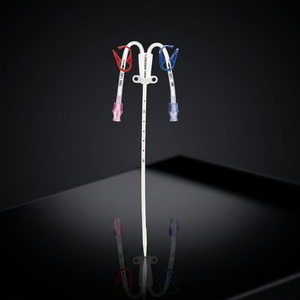
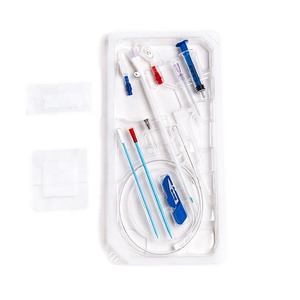
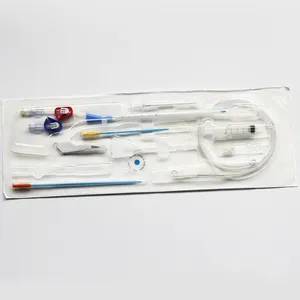
Custom OEM kitting brings together high-flex sterile gowns, fenestrated drapes, silicone-cuffed HD catheters, introducer needles, and scalpels in one EO-sterilized blister pack, streamlining OR prep time by over 35%.
Sourcing pre-packaged procedural packs under a single validated ISO 13485 quality system simplifies regulatory compliance, batch tracking, and Certificate of Analysis (CoA) management for global importers.
Key economic, technological, and regulatory shifts shaping how international distributors select China wholesale manufacturing partners.
Leading Chinese medical manufacturers are transitioning from labor-intensive manual assembly to fully automated continuous production lines. Integrated robotic handling in ISO Class 7 cleanrooms eliminates bioburden fluctuations, ensures uniform ultrasonic seam strength, and maximizes overall production output to stabilize pricing for global buyers.
With global healthcare systems focusing on carbon footprint reduction, wholesale suppliers are developing bio-based polypropylene polymers, recyclable non-woven composites, and lightweight packaging materials. Sourcing from manufacturers utilizing on-site rooftop solar arrays and closed-loop waste recovery systems aligns with green procurement policies.
The implementation of the EU Medical Device Regulation (MDR 2017/745) and strict US FDA Unique Device Identification (UDI) mandates requires wholesale suppliers to maintain robust clinical data dossiers. Top-tier suppliers provide complete biocompatibility testing (ISO 10993), stability validation, and full legal documentation for seamless registration.
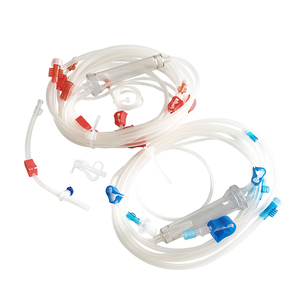
Healthcare buyers are increasingly seeking direct wholesale partners capable of offering flexible container mixing. Combining high-volume bulk items like disposable surgical gowns with high-margin devices such as central venous catheters and hemodialysis kits optimizes freight volume utilization and reduces landed costs.
Leveraging over three decades of precision polymer conversion, controlled cleanroom assembly, and international compliance experience.
Established in 1988, our manufacturing ecosystem has continuously upgraded its production facilities, evolving into a premier global exporter of single-use medical devices serving distributors in more than 70 countries.
Every medical-grade gown and catheter kit is assembled inside state-of-the-art cleanrooms operating under strict positive pressure differentials, HEPA air filtration protocols, and continuous environmental bioburden monitoring.
Integrated Ethylene Oxide (EO) and Gamma Sterilization processing validated strictly against ISO 11135 and ISO 11137 standards. Every export batch is released only after biological indicator confirmation and EO residue clearance.
Clear, technical, and commercial answers to help procurement managers evaluate surgical gown and medical disposable suppliers.
Qualified manufacturers utilize certified lab testing (such as Nelson Labs or Intertek) following AATCC 127 for hydrostatic pressure and AATCC 42 for impact penetration. For Level 4 gowns, ASTM F1670 (synthetic blood penetration) and ASTM F1671 (viral penetration) testing protocols are mandatory. Reputable suppliers provide lot-specific test certificates alongside batch shipments.
Surgical gowns made from polypropylene non-wovens are typically sterilized using Ethylene Oxide (EO) gas or Gamma Irradiation depending on material heat sensitivity. Dialysis catheters (made of medical-grade TPU or silicone) undergo validated EO sterilization to ensure material structural integrity and lumen clarity without polymer degradation.
Yes. OEM and private-label custom bundling is a core capability. Buyers can specify artwork, component layouts, gown size ratios (M/L/XL/XXL), drape fenestrations, and precise catheter lumen specifications. Complete packaging proofing takes approximately 5-7 business days before mass cleanroom production begins.
Standard catalog items maintain an MOQ of one pallet per SKU. For custom OEM branding or private-label surgical gown lines, MOQ typically starts at a single 20-ft mixed container. Lead times for standard catalogue items are generally 3 to 4 weeks, while initial OEM artwork setups require 6 to 8 weeks from final proof approval.
Our post-sterilization quarantine process includes forced aeration in heated degassing chambers. Residual Ethylene Oxide (EO) and Ethylene Chlorohydrin (ECH) levels are strictly tested via gas chromatography to ensure they fall well below ISO 10993-7 allowable threshold limits before final export release.
We provide comprehensive registration dossiers including Free Sale Certificates (FSC), ISO 13485:2016 quality certificates, CE Declaration of Conformity (MDR pathway), ISO 10993 biocompatibility summaries, real-time shelf-life stability data, and legalized apostilled documentation required for tenders across the Middle East, Africa, Europe, Latin America, and Asia-Pacific.
Standard sewing machines create thousands of micro-perforations along fabric seams, which can act as pathways for liquid strike-through under high pressure. Ultrasonic welding uses high-frequency acoustic vibrations to melt non-woven fibers together, creating continuous, leak-proof barrier seams without needle holes.
Surgical gowns are high-volume, low-weight products, while catheter kits and fluid lines are dense and compact. By calculating volumetric weight ratios, our export logistics team packs mixed SKUs in 40-ft High Cube containers, maximizing container space utilization and significantly reducing ocean freight cost per unit.
Request technical data sheets, factory audit reports, OEM quotation breakdowns, or custom sample packs tailored to your hospital tender requirements.
Send an Inquiry