
Precision-engineered single-use devices manufactured in ISO 13485 certified Class 7/8 cleanrooms for global healthcare distributors, hospital networks, and tender procurement.
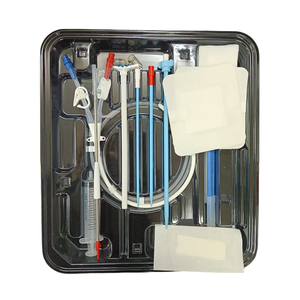
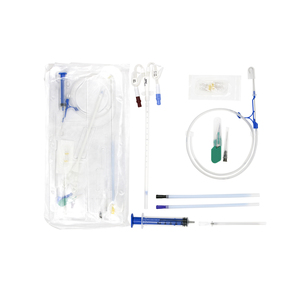
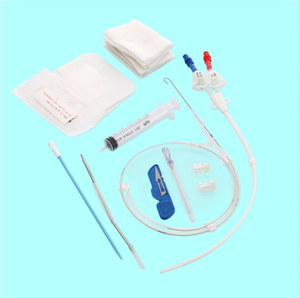
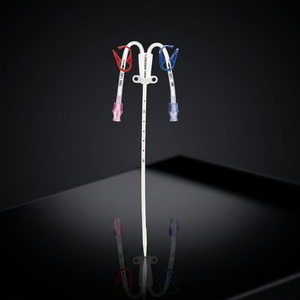
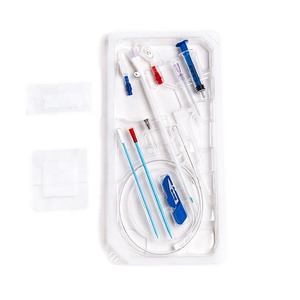
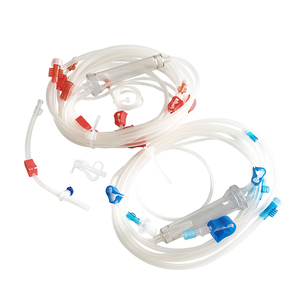
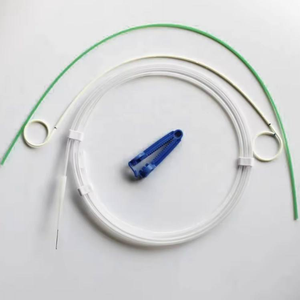
In contemporary surgical oncology, orthopedic reconstruction, cardiothoracic interventions, and vascular nephrology, closed-wound suction drainage systems and intravascular catheterization kits represent critical line items in hospital supply chains. As global procurement organizations, GPOs, and medical device importers seek to optimize landed costs without compromising patient safety, China's medical manufacturing ecosystem has evolved from high-volume commodity production to state-of-the-art automated precision engineering under strict regulatory harmonizations such as EU MDR (2017/745) and US FDA 510(k) standards.
A high-performance surgical suction drain system is designed to evacuate post-operative blood, serous exudates, and tissue fluids from surgical dead spaces. Effective drainage minimizes fluid accumulation, reduces intra-tissue pressure, prevents hematoma/seroma formation, and significantly lowers the risk of surgical site infections (SSIs). Simultaneously, advanced central venous access and hemodialysis catheter kits demand precise durometer tuning, biostable polymer formulation, radiopaque visualization, and kink-resistant lumen geometries to ensure long-term patency and vascular wall integrity.
Strategic Procurement Insight: Modern hospital purchasing committees prioritize suppliers that maintain end-to-end quality control—from virgin polymer resin compounding and automated extrusion to ISO 11135 ethylene oxide (EO) sterilization release dossiers.
The selection of medical-grade polymers dictates fluid dynamics, biocompatibility (ISO 10993 compliance), and mechanical performance during clinical implantation. China's leading wholesale factories utilize three primary elastomer platforms for suction drainage and vascular catheterization:
| Polymer Type | Key Material Characteristics | Primary Clinical Application | Biocompatibility & Flex Life |
|---|---|---|---|
| Liquid Silicone Rubber (LSR) / Platinum Silicone | Extreme flexibility, low thrombogenicity, inert surface chemistry, non-adherent to surrounding tissues. | Long-term tunneled hemodialysis catheters, continuous closed-wound suction drains, Blake & Jackson-Pratt type drains. | Superior long-term biocompatibility (>30 days implantation); high tear strength and zero plasticizer leaching. |
| Thermoplastic Polyurethane (TPU) | Thermosensitive softening inside body vessels, high tensile strength, thin wall ratio for maximized lumen volume. | Central Venous Access, Short-term & Long-term HD Catheters, high-flow vascular lines. | Excellent blood compatibility, high pressure tolerance (up to 300 psi for power injection lines). |
| Medical Grade Plasticized PVC (DEHP-Free / TOTM) | High clarity for fluid visual inspection, rigid structural integrity, cost-effective volume extrusion. | Yankauer suction instruments, thoracic chest drainage bottles, standard post-op wound suction bellows. | Class II short-term contact (<24 hours); resistant to vacuum collapse under negative pressures. |
The global market for surgical drainage devices and renal care access disposables is projected to expand at a CAGR of 6.8% through 2030. Sourcing executives and international distributors must align their procurement strategies with four key industry paradigm shifts:
Global regulatory bodies are phasing out peroxide-cured elastomers due to trace volatile organic compounds. OEM buyers are increasingly specifying 100% liquid platinum silicone for non-traumatic tissue drainage and reduced fibrin sheath formation.
Next-generation closed wound drainage reservoirs are integrating digital vacuum gauges and constant-pressure spring mechanisms to prevent tissue aspiration while maintaining continuous fluid evacuation monitoring.
To combat Catheter-Related Bloodstream Infections (CRBSIs) and exit-site surgical infections, advanced factories are applying surface-modified hydrophilic and silver-nanoparticle coatings that inhibit bacterial colonization without systemic antibiotic reliance.
Hospitals are migrating toward customized surgical procedure packs. Importers are requiring suppliers to provide fully integrated kits—combining catheters, scalpel, guidewires, introducer needles, dilators, and suture wings in single sterile blister trays.
With stringent European packaging waste directives, OEM buyers are demanding recyclable Tyvek/film pouch combinations, minimized box footprints, and FSC-certified secondary cartons that reduce international air and sea freight carbon costs.
Unique Device Identification (UDI) compliance under GS1 standards is now mandatory for hospital intake. Modern China exporters provide GS1-128 barcoded packaging linking every unit to raw material lot numbers and sterilization cycles.
Selecting a qualified China wholesale factory requires assessing rigorous engineering credentials, cleanroom standards, and quality management systems. Our manufacturing complex represents over three decades of medical device manufacturing heritage (established 1988), serving healthcare distributors across 70+ countries.
Outsourced sub-assemblies present severe biosecurity and dimensional variation risks. Our facility operates vertically integrated production lines housed entirely within ISO Class 7 and Class 8 controlled cleanrooms (in compliance with ISO 14644-1). Core operational modules include:
For hospital tender buyers and private-label brand owners, regulatory compliance is the primary barrier to market entry. Our dedicated regulatory affairs department provides turnkey documentation suites, including:
Technical Dossier Deliverables: ISO 13485:2016 Certification, CE Mark Certificates under EU MDR, Free Sale Certificates (FSC), ISO 10993 Biocompatibility Test Summaries, Real-Time Accelerated Stability Studies, and Device Master Files (DMF).
To import medical-grade suction drains and hemodialysis catheters, the factory must operate under an ISO 13485 certified Quality Management System. For European markets, product families must carry CE marking under EU MDR 2017/745 (or valid MDD certificates during transition). For Latin America, Middle East, and Southeast Asia, a legalised Free Sale Certificate (FSC) issued by the national medical authority alongside Certificate of Analysis (CoA) and batch sterilization validation reports are required for local Ministry of Health registration.
Yes. As an established OEM/ODM manufacturer, we provide custom extrusion lengths, tailored French sizes (ranging from pediatric 5Fr to adult 15F/16F multi-lumen options), custom perforation patterns for suction drains, and full private-label packaging. We assist buyers in designing compliant primary blisters, pouch printing, box packaging artwork, user manuals (IFU) in multiple languages, and UDI/GS1 barcoded labeling.
Standard catalogue items typically start at a low MOQ of 1,000 to 3,000 units per SKU. Private-label OEM orders begin at 10,000 units (or equivalent to one 20-foot container load across mixed SKUs). Standard export orders ship within 3 to 4 weeks following artwork confirmation and initial deposit release. New tooling or custom extrusion projects take 6 to 8 weeks including pilot sample validation.
Sterilization validation is performed according to ISO 11135 standards. Every batch includes biological indicators (Bacillus atrophaeus) and chemical indicator strips placed at critical cold spots inside the load. Following gas exposure, products undergo forced aeration in heated degassing chambers. Gas chromatography testing confirms that residual Ethylene Oxide (EO) and Ethylene Chlorohydrin (ECH) levels fall strictly below ISO 10993-7 allowable limits prior to batch release.
Our drainage and catheter tubing incorporates co-extruded thermosensitive polyurethane or medical-grade silicone formulated with optimal Shore hardness. Internal lumen geometry features ribbed or double-D cross-sections that prevent vacuum occlusion, kink formation, or luminal collapse even under extreme bending radius or deep post-operative suction pressures.
Medical disposables are volume-sensitive items. Our logistics engineering team uses standardized outer shipping cartons optimized for palletization and max-cube loading in 20ft, 40ft GP, and 40ft HQ containers. High-density blister sealing and nestable drainage bottle geometries minimize void space, reducing international ocean freight costs per unit by up to 18%.