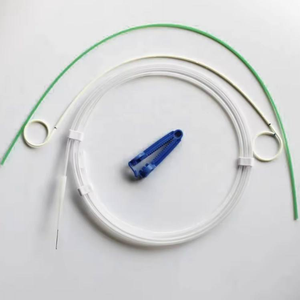
Precision-manufactured in ISO Class 7 & 8 cleanrooms. Fully compliant with EU MDR, ISO 13485, and US FDA requirements for international tender buyers and hospital networks.
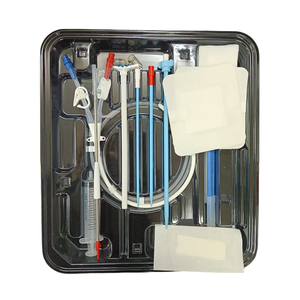
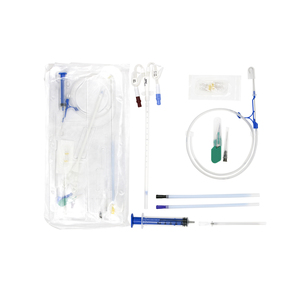
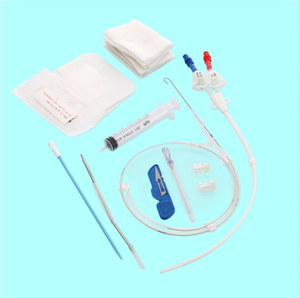
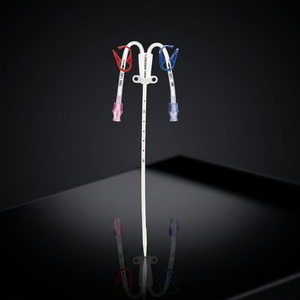
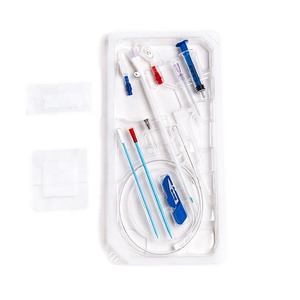
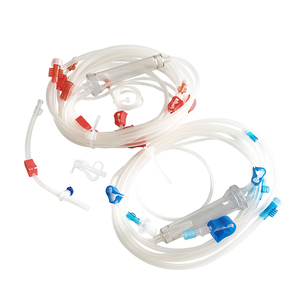
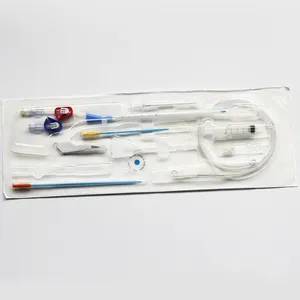
Mucus extractors, also known as aspiration fluid collectors or neonatal secretion extractors, represent a critical category in sterile single-use respiratory disposables. Designed primarily for obtaining mucous specimens from newborn infants or pediatric patients for microbiological examination, or for clearing tracheobronchial secretions to maintain upper airway patency, these devices demand extreme manufacturing precision. As clinical protocols in neonatal intensive care units (NICUs) and emergency wards become increasingly stringent, procurement officers, hospital purchasing groups, and regional medical distributors are re-evaluating their sourcing strategies, turning toward high-capacity Chinese manufacturing plants capable of delivering medical-grade polymer integrity, sterile barrier reliability, and rigorous regulatory compliance.
Modern clinical practice mandates that a mucus extractor perform two essential functions simultaneously: it must maintain a completely airtight, leak-proof seal under continuous sub-atmospheric pressure while ensuring zero cross-contamination risks for healthcare professionals. Historical device designs frequently suffered from structural deformation under high vacuum suction, material leaching from non-certified plasticizers, or accidental aerosol exposure to clinicians during sample extraction. Today’s premier Chinese manufacturing facilities have transformed this product line through automated injection molding, medical-grade DEHP-free PVC compounding, integrated bacterial barrier filtration, and dynamic ultrasonic welding protocols.
Clinical Insight: According to global healthcare standards, pediatric airway devices must maintain a bio-burden threshold of less than 10 CFU prior to Ethylene Oxide (EO) gas sterilization. Top-tier Chinese manufacturers operate ISO Class 7 cleanroom assembly lines that consistently achieve near-zero pre-sterilization bioburden levels, ensuring an extra layer of clinical safety for fragile neonatal airways.
A standard high-performance mucus extractor assembly consists of several engineered sub-components, each fulfilling a vital role in clinical utility and safety:
| Component Name | Material Specification | Technical Function & Performance Benchmark |
|---|---|---|
| Collection Chamber | Clear Polypropylene (PP) / Polycarbonate (PC) | Graduated visual tracking (25ml to 150ml capacity), shatter-proof under -80kPa vacuum. |
| Suction Catheter | DEHP-Free / Phthalate-Free Medical PVC | Atraumatic smooth open tip with two lateral eyes; flexible yet kink-resistant Fr6 to Fr14 sizing. |
| Screw Cap Seal | High-Density Polyethylene (HDPE) with Elastomer Ring | Hermetic dual-thread seal prevents sample leakage during transportation to pathology laboratories. |
| Spare Transport Cap | Sterile Molded Polyethylene | Replaces suction tubing post-aspiration to isolate the specimen completely. |
| Bacterial Filter (Optional) | Hydrophobic PTFE / Glass Fiber Membrane | 99.99% viral/bacterial filtration efficiency (BFE/VFE) protecting vacuum lines. |
The global market for suction consumables is experiencing a structural shift driven by advanced material science, stringent infection-control directives, and sustainable manufacturing practices. Hospitals and healthcare ministries are moving away from commodity-grade disposables toward specialized, value-engineered medical devices. As a recognized powerhouse in global medical disposable production, China’s manufacturing ecosystem is leading several transformational trends:
Global regulatory bodies including EU MDR (2017/745) and US FDA have placed strict limits on DEHP and phthalate plasticizers in medical devices used for neonates. Leading Chinese factories have fully transitioned to TOTM (Tri-Octyl Trimellitate) and polymeric plasticizers, eliminating chemical migration risks into delicate infant mucous membranes.
Nosocomial infections remain a top concern for hospitals worldwide. Modern mucus extractors are increasingly designed with integrated hydrophobic bacterial barriers and inline non-return valves, eliminating aerosol reflux and protecting healthcare providers from pathogen exposure during active suctioning.
To eliminate human contact and manual variable defects, advanced factories employ multi-station automated lines. Automated visual sorting, robotic cap torque control, and ultrasonic cap-to-tube sealing ensure 100% uniformity in pull-strength, vacuum seal, and graduation printing accuracy.
Furthermore, eco-friendly procurement initiatives are forcing manufacturers to optimize material usage without sacrificing structural integrity. Lightweighting strategies, recyclable polymer combinations, and reduced primary packaging footprints are becoming prerequisite qualifications in European and North American hospital procurement tenders.
Navigating global healthcare supply chains requires strategic foresight. Importers, OEM brand owners, and tender agents must adapt to changing market dynamics, supply chain diversification, and regulatory audits. Based on comprehensive intent mining across medical procurement channels, several core purchasing behaviors are shaping the next decade:
Intermediate traders are increasingly bypassed in favor of direct partnerships with vertically integrated manufacturing plants in China. Buying organizations seek factories that offer end-to-end capabilities: from custom mold design, polymer compounding, and cleanroom extrusion to custom blister packaging, multilingual IFU printing, and direct country-of-destination registration assistance.
Regulatory authorities in Latin America (ANVISA), the Middle East (SFDA), Southeast Asia (MDA/TFDA), and Europe (EU MDR Notified Bodies) now demand exhaustive technical documentation. Modern procurement contracts require manufacturers to provide comprehensive stability testing dossiers, biocompatibility reports (ISO 10993 compliance covering cytotoxicity, sensitization, and intracutaneous reactivity), and validated Ethylene Oxide (EO) residue analysis reports (ISO 11135 compliance).
While regional assembly hubs exist worldwide, China remains the foundational center for high-volume, cost-optimized medical plastic extrusion. Procurement directors are securing long-term supply agreements with tier-1 Chinese factories to guarantee buffer inventory, price stability against raw material fluctuations, and rapid scalability during seasonal respiratory surge periods (such as RSV and flu seasons).
Building upon over three decades of clinical disposable device manufacturing heritage (tracing back to foundational production methodologies established since 1988 under rigorous QMS principles), our manufacturing complex stands at the forefront of China's medical export industry. We combine vast economies of scale with microscopic quality control standards to deliver unmatched value to international procurement clients.
Our production facilities feature thousands of square meters of ISO Class 7 and Class 8 (Class 100,000) cleanrooms equipped with positive pressure control, HEPA air filtration systems, micro-particle monitoring, and strict gowning locks to eliminate contamination vectors.
Every batch produced operates under a Quality Management System certified to ISO 13485 and ISO 9001. Product lines carry CE mark certifications under the European MDR pathway, alongside US FDA listings and Free Sale Certificates (FSC).
From raw plastic resin compounding, high-speed tube extrusion, and injection molding of caps and connectors to inline printing, blister sealing, and EtO sterilization chamber releasing—we control 100% of the supply chain in-house.
Private-Label (OEM) Flexibility: We support complete custom packaging solutions including specialized soft pouch packaging, rigid thermoformed blister packs, branded inner display boxes, barcoding (GS1 UDI compliant), and multi-language Instructions for Use (IFU) tailored to target export destinations.
Below are authoritative responses to the most vital technical, commercial, and regulatory questions raised by international buyers during factory auditing and vendor selection:
Our standard mucus extractor collection chambers are produced in 25ml, 40ml, 80ml, 100ml, and 150ml capacities with clear, permanent double-graduated markings. Suction catheters are available from Fr6 to Fr14 sizes, equipped with color-coded funnel connectors for rapid size identification in clinical environments.
Every export batch undergoes validated Ethylene Oxide (EO) sterilization following ISO 11135 standards. Sterilizer cycles are monitored using biological indicators (Bacillus atrophaeus) and chemical indicators. Post-sterilization forced aeration guarantees that EO residue levels remain strictly below the microgram limits set by ISO 10993-7 for patient contact devices.
Yes. We specialize in contract manufacturing for global medical device brands. We handle artwork proofing, customized paper-plastic peel pouches, sterile barrier blister packaging, inner carton design, and master shipping carton optimization to maximize container loading efficiency.
Our dedicated regulatory department provides comprehensive registration packs including ISO 13485 Certificates, CE Declarations of Conformity, Free Sale Certificates (FSC), Biocompatibility Test Reports (ISO 10993), Accelerated Aging & Shelf-Life Validation Studies, and Chemical Analysis Certificates of Analysis (CoA) per batch.
For standard catalog items under our factory brand, MOQ starts at 5,000 units per SKU. For custom private-label OEM packaging, MOQ is typically 20,000 units per artwork SKU. Production lead time is 20 to 30 calendar days following artwork approval and deposit receipt, with expedited shipping options via major Chinese export ports including Shanghai, Ningbo, and Shenzhen.
Our suction catheters feature thermo-formed, rounded open tips with soft, polished lateral eyes. This atraumatic design prevents mucosal tissue suction occlusion and minimizes mechanical tissue trauma or trauma-induced bleeding during pediatric upper airway clearing.
Connect directly with our senior medical device export engineers. Whether you require standard product samples, technical files for regional tender submission, or contract OEM manufacturing inquiries, our team responds within 24 business hours.
Inquire Now