
Directly manufactured in ISO Class 7/8 cleanroom environments with full batch traceability, CE MDR compliance, and ISO 13485 quality control.
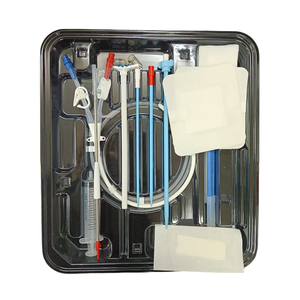
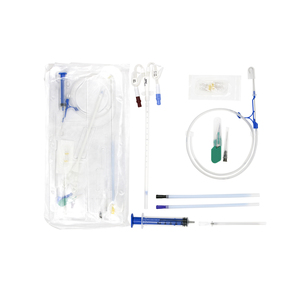
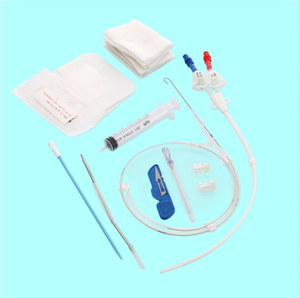
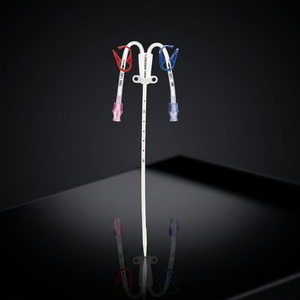
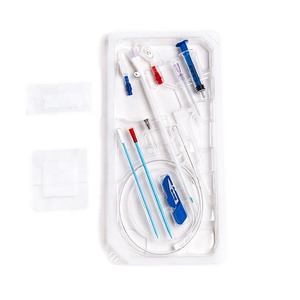
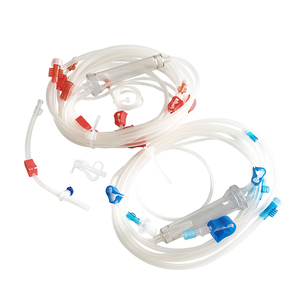
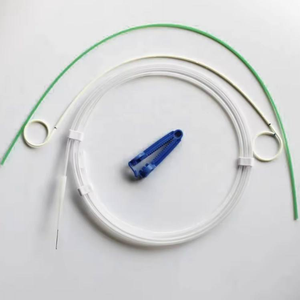
The global demand for vascular access devices—specifically introducer sheath sets, hemodialysis catheters, central venous access systems, and percutaneous transluminal coronary angioplasty (PTCA) sheaths—has grown at an unprecedented CAGR of 7.4% over the past five years. As hospital GPOs (Group Purchasing Organizations), medical device importers, and international healthcare distributors search for long-term manufacturing partners, identifying the top tier among China best introducer sheath factories & suppliers requires evaluating technical capabilities, regulatory dossiers, and polymer processing precision.
Introducer sheaths act as the primary vascular gateway during interventional cardiology, radiology, nephrology, and endovascular procedures. A failure in sheath hub seal integrity, kink resistance, or dilator-to-sheath smooth transitions can lead to vessel wall dissection, excessive blood loss, or intraoperative delays. Leading Chinese suppliers have transitioned from basic contract molding to high-precision, automated micro-extrusion of biocompatible polymers such as medical-grade Polyurethane (TPU), Fluorinated Ethylene Propylene (FEP), and Polyfluoroethylene (PTFE).
Modern vascular sheaths utilize distinct polymer blends depending on clinical intent (radial access vs. femoral access vs. long-term dialysis access). The matrix below illustrates key structural characteristics required by hospital procurement boards:
| Polymer / Material | Structural Elasticity | Kink Resistance Rating | Biocompatibility (ISO 10993) | Primary Clinical Application |
|---|---|---|---|---|
| Radiopaque TPU (Polyurethane) | Thermosensitive (Softens in body) | Very High (Braided Inner Layer) | Class VI Medical Grade | Long-term Hemodialysis & CVC Sheaths |
| FEP (Fluorinated Ethylene Propylene) | Rigid / High Column Strength | High (Thin-wall optimization) | Blood Contact Passivated | Short-Term Femoral & Radial Sheaths |
| PTFE Lined Co-Extrusion | Ultra-Low Friction Coefficient | Excellent (Nitinol Mesh Core) | Hemocompatible Certified | Neurovascular & Complex Structural Heart |
| Medical Grade Silicone | Hyper-elastomeric | Moderate (Requires thick wall) | Optimal Tissue Ingrowth (Cuffed) | Permanent Tunneled Dialysis Access |
As interventional procedures shift toward minimally invasive transradial access (TRA) and micro-puncture techniques, introducer sheath factories in China are investing heavily in advanced manufacturing infrastructure. Procurement executives must align their supply chains with the following emerging technology vectors:
Covalently bonded durable hydrophilic coatings reduce insertion force by up to 70%, minimizing radial artery spasm and patient pain during catheter navigation.
Next-generation cross-slit and silicone membrane valves prevent micro-bleeding and air embolism during catheter exchanges under high arterial pressure.
Transition from standard 18G needle puncture to 21G micro-puncture sets with 0.018" nitinol guidewires, substantially lowering vascular complication risks.
Maximizing internal lumen diameter while reducing outer sheath profile (OD) allows clinicians to pass larger interventional tools without dilating blood vessels.
ISO Class 7 and Class 8 cleanrooms equipped with laser micrometer optical inspection verify wall concentricity and lumen consistency in real time.
Full GS1-compliant Unique Device Identification (UDI) barcoding printed on every blister pack and master carton for seamless EU MDR and US FDA traceability.
Purchasing teams must prioritize factories that maintain fully integrated, granule-to-carton production. When a manufacturer manages resin drying, high-precision extrusion, tip flaring, valve assembly, printing, primary blister packaging, and Ethylene Oxide (EO) sterilization in-house, batch-to-batch variability is practically eliminated.
Operating under strict medical quality management systems certified to ISO 13485 and ISO 9001, our partner facilities embody over 36 years of specialized manufacturing experience (established in 1988). Exporting single-use medical devices to over 70 countries across Europe, the Middle East, Latin America, and Southeast Asia, our manufacturing infrastructure is built to exceed rigorous international regulatory standards.
Below are authoritative responses to common technical, regulatory, and supply chain questions encountered during global sourcing of introducer sheaths and hemodialysis catheters.
Our manufacturing facilities operate under a certified ISO 13485 and ISO 9001 Quality Management System. Product lines hold CE marks under the European Union Medical Device Regulation (EU MDR) pathway and maintain FDA listing for select lines. Each production batch is processed in ISO Class 7/8 clean rooms and released only after passing strict leak, tensile strength, and sterilisation release protocols.
We offer end-to-end OEM/ODM private-label manufacturing. Buyers can specify sheath French size (Fr 4 to 16), effective shaft length, hydrophilic coating coverage, hub colors, dilator tip tapers, custom kit component mixes, custom pouch artwork, multilingual Instructions for Use (IFU), and UDI barcode structures. Artwork proofing is typically completed within 5–7 business days.
For standard catalog items, minimum order quantities start at one pallet per SKU. Custom OEM or private-label orders generally start at a single 20-foot container load (which can be a mixed combination of catheter SKUs, introducer sheath kits, and venous access lines). Standard lead time for catalog inventory is 3–4 weeks post order confirmation; new OEM tooling or registration-linked orders typically take 6–8 weeks.
Single-use devices are sterilized by 100% Ethylene Oxide (EO) gas or Gamma Irradiation depending on material compatibility (e.g., TPU vs PTFE vs Silicone). Sterilization cycles are validated according to ISO 11135 and ISO 11137. Each batch is released against chemical/biological indicators, bioburden limits, and gas residue limits (<4mg/device), with validation dossiers supplied directly to registration holders.
Yes. Our in-house regulatory desk prepares complete technical files (STED format), Free Sale Certificates (FSC), ISO 13485 and CE certificates, biocompatibility summaries (ISO 10993), accelerated stability testing reports, and legalized/apostilled documents required by Ministries of Health across Latin America, the Middle East, Africa, CIS, and Southeast Asia.
Each production lot undergoes 100% pneumatic leak testing at 300 kPa pressure, hydrostatic hemostatic valve seal integrity testing (ensuring zero back-bleeding around guidewires from 0.018" to 0.038"), dilator-to-sheath transition force measurement, and 90-degree kink resistance testing over standardized radii mandrels in accordance with ISO 11070 standards.
When shortlisting high-volume factories in China for introducer sheath kits and hemodialysis catheters, hospital tender committees and medical wholesalers should audit candidate suppliers against this 6-point technical checklist:
| Audit Dimension | Evaluation Standard / Threshold | Compliance Metric |
|---|---|---|
| 1. Cleanroom Standard | ISO Class 7/8 particulate monitoring with positive pressure control | Certified Airborne Particle Logs |
| 2. Raw Material Intake | 100% virgin medical grade resin (Dow, Lubrizol, Bayer) with supplier CoA | Raw Material Lot Traceability |
| 3. Extrusion Tolerance | In-line double-axis laser gauge measuring wall thickness & concentricity | ±0.01 mm Wall Deviation Limit |
| 4. Sterilization Validation | ISO 11135 compliance with EO residue <4 mg per device | Batch Biological Indicator Release |
| 5. Valve Hydro-Sealing | Static and dynamic leak resistance at 300 mmHg fluid pressure | Zero Blood Back-Bleed Guarantee |
| 6. Regulatory Dossier | Full technical documentation according to EU MDR Annex II/III | Valid CE & Free Sale Certificate |
By enforcing these strict benchmarks, medical device buyers ensure patient safety, minimize clinical risk, and secure long-term procurement efficiency for hospital networks worldwide.
Access competitive OEM factory pricing, technical specification sheets, samples, and complete regulatory support dossiers for your market.
Get Catalog