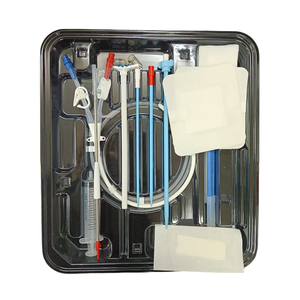

Manufactured in ISO Class 7/8 Cleanrooms | Fully Validated EO Sterile Consumables for Global OEM & Hospital Supply
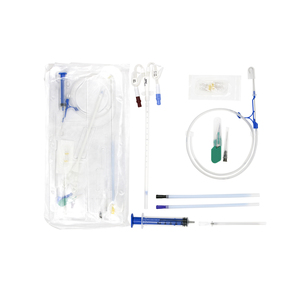
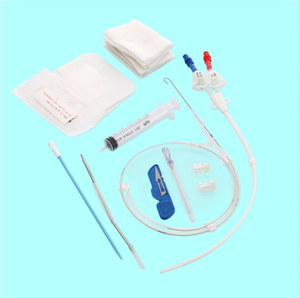
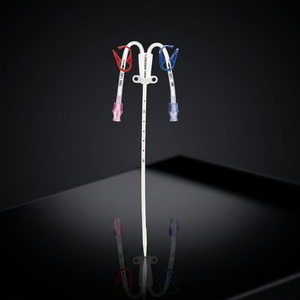
An In-Depth Technical Analysis for Hospital Purchasing Directors, Importers, and OEM Brand Owners
The global urology and vascular access device sectors have entered a transformative regulatory era. With the full enforcement of the European Union Medical Device Regulation (EU MDR 2017/745), procurement officers must ensure that CE certified ureteral stent factories and exporters possess robust technical documentation, validated biological safety protocols (ISO 10993), and comprehensive Post-Market Clinical Follow-up (PMCF) plans. Modern ureteral stents—often categorized as Class IIb or Class III long-term implantable devices—require absolute biostability, low encrustation rates, and verified sterility assurance levels (SAL 10⁻⁶).
Modern endourology and renal care demand advanced material engineering to mitigate bacterial adhesion, biofilm formation, and crystalline encrustation. Premier manufacturers utilize high-grade Thermoplastic Polyurethane (TPU) featuring thermosensitive properties—softening at body temperature (37°C) to maximize patient comfort while maintaining rigid column strength during cystoscopic insertion. Furthermore, hydrophilic polymer coatings reduce frictional coefficients by up to 90%, eliminating mucosal trauma during retrograde ureteral placement.
Key Innovation Drivers Reshaping Tender Specifications & Private Label OEM Contract Manufacturing
Future urological interventions focus heavily on bioresorbable magnesium alloys and polymeric matrices that gradually dissolve post-lithotripsy, eliminating secondary removal procedures. Drug-eluting ureteral stents formulated with anti-microbial or anti-inflammatory agents represent a major growth driver in hospital tender specifications.
High-precision placement under fluoroscopic imaging requires radiopaque fillers such as Barium Sulfate (BaSO₄) or Bismuth Subcarbonate evenly dispersed within the polymer matrix. Dual-ended laser marking at 1 cm increments ensures surgeons maintain precise visual control over pigtail coil positioning inside the renal pelvis and bladder.
Global hospital networks and healthcare distributors are actively shifting procurement away from single-source suppliers toward reliable contract manufacturers in India. Facilities operating with fully integrated precision extrusion, cleanroom assembly, and in-house sterilization offer competitive lead times and customizable OEM branding options.
Standardized Dimensions, Material Formulations, and Clinical Application Parameters
| Device Category | Material Formulation | Size Range (Fr / Length) | Surface Coating | Sterilization Method | Key Clinical Benefit |
|---|---|---|---|---|---|
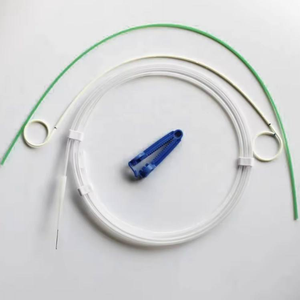
| Double J Ureteral Stent | Medical Grade TPU / Silicone | 4.7 Fr – 8.0 Fr (16 cm – 30 cm) | Hydrophilic / Uncoated | Ethylene Oxide (EO) | Optimal drainage; softens at body temp to reduce bladder spasm. |
| Long-Term Hemodialysis Catheter | Carbothane / Radiopaque TPU | 14 Fr – 15.5 Fr (19 cm – 50 cm) | Heparin / Antimicrobial option | Ethylene Oxide (EO) | Silicone cuff encourages tissue ingrowth to prevent infection. |
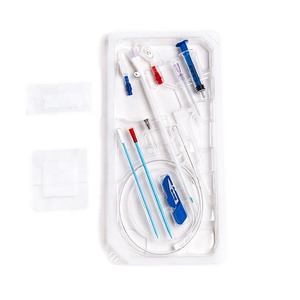
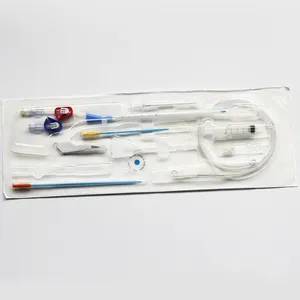
| Short-Term HD Catheter Kit | Thermosensitive Polyurethane | 7 Fr – 12 Fr (13 cm – 20 cm) | Smooth Extrusion Finish | Gamma Irradiation / EO | High flow rates with minimal arterial/venous recirculation. |
| Foley Balloon Catheter | 100% Silicone / Latex Coated | 6 Fr – 24 Fr (Balloon: 3cc – 30cc) | Silicone Hydrophobic | Ethylene Oxide (EO) | Symmetrical balloon expansion prevents catheter displacement. |
| Central Venous Catheter (CVC) | Radiopaque Polyurethane | Single/Double/Triple Lumen (4-8Fr) | Antimicrobial Micro-coating | EO Sterile Pack | Color-coded hubs for rapid lumen identification in ICU settings. |
Integrated Manufacturing Excellence in Ahmedabad, India — Delivering Clinical Confidence Since 1988
Located in G.I.D.C., Vatva, Ahmedabad, our facility handles polymer granule intake, precision tube extrusion, automated injection molding, cleanroom assembly, and final packaging under one continuous Quality Management System (QMS).
To meet global medical device safety regulations, all assembly operations take place in environmentally controlled cleanrooms with positive differential pressure, HEPA air filtration, continuous particle monitoring, and strict gowning protocols.
We empower our international distribution partners by supplying complete regulatory documentation: Free Sale Certificates (FSC), ISO 13485 & CE Certificates, ISO 10993 Biocompatibility dossiers, Real-Time Stability Test reports, and legalised MOH registration filings.
Direct Answers from Our Regulatory Affairs & International Export Division
Consult with our technical engineers and regulatory specialists to request product samples, custom OEM quotes, or official registration dossiers.