
High-precision sterile single-use devices engineered in ISO Class 7 cleanroom lines for intensive nephrology, dialysis treatment, and surgical procedures worldwide.
An authoritative technical whitepaper for clinical procurement directors, biomedical engineers, and international hospital group purchasing organizations (GPOs).
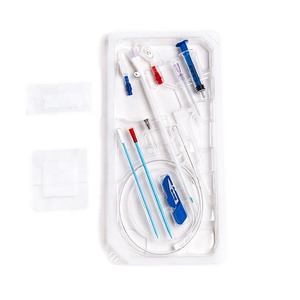
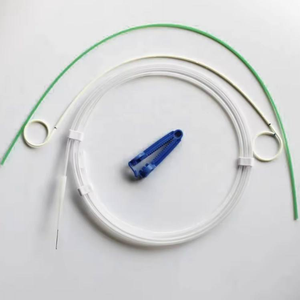
Surgical sutures and vascular access catheters demand zero tissue reactivity. Modern non-absorbable monofilaments utilize high-density polypropylene and medical-grade radiopaque TPU (Thermosensitive Polyurethane) that soften at body temperature to minimize vascular trauma.
Every lot undergoes 100% ethylene oxide (EO) or gamma irradiation sterilization in accordance with ISO 11135 and ISO 11137 standards. Residue levels are rigorously controlled below 1 ppm, guaranteeing biocompatibility for long-term implantable devices.
Navigating the transition from MDD to EU MDR requires comprehensive technical dossiers, clinical evaluation reports (CER), and continuous post-market surveillance (PMS). Our facilities maintain full traceability down to raw granule resin batches.
When selecting CE certified surgical suture suppliers and disposable medical equipment manufacturers, procurement committees must evaluate material tensile strength, absorption kinetics, needle alloy sharpness, and tissue reaction profiles. Below is a structured comparative analysis of surgical wound closure materials widely utilized across general surgery, cardiovascular, and nephrology departments:
| Suture Material / Category | Composition & Polymer Structure | Tensile Strength Retention Profile | Absorption / Degradation Mechanism | Primary Clinical Applications |
|---|---|---|---|---|
| PGA (Polyglycolic Acid) | Synthetic Absorbable Braided Polymer | ~75% at 2 weeks, ~50% at 3 weeks | Hydrolysis via mass loss (60–90 days) | Gastrointestinal closure, fascia, general soft tissue approximation. |
| PGLA (Polyglactin 910) | Copolymer of Glycolide & Lactide (90/10) | ~75% at 2 weeks, ~40% at 3 weeks | Hydrolytic absorption (56–70 days) | Ophthalmic, pediatric surgery, subcutaneous closure, mucosal repair. |
| PDO (Polydioxanone) | Synthetic Absorbable Monofilament | ~80% at 2 weeks, ~60% at 4 weeks | Slow hydrolysis (180–210 days) | Abdominal wall closure, pediatric cardiovascular, orthopedic tissue. |
| Polypropylene (Monofilament) | Isotactic Polypropylene Non-Absorbable | Indefinite (High linear tensile yield) | Non-absorbable, encapsulated by fibrous tissue | Vascular anastomosis, cardiac surgery, hernia mesh fixation. |
| Silk (Braided Protein) | Natural Organic Fibroin Fiber | Gradual loss over 1 year | Slow enzymatic digestion (2+ years) | Ligation, skin closure, dental surgery, plastic surgery procedures. |
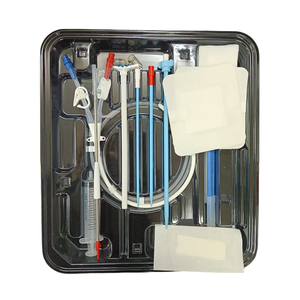
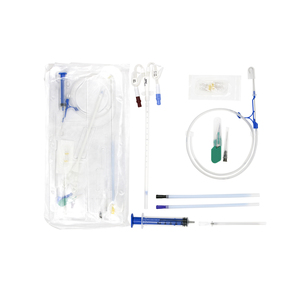
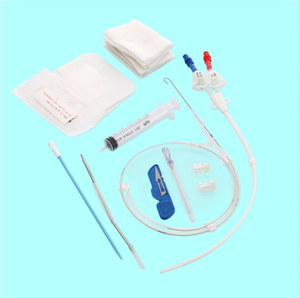
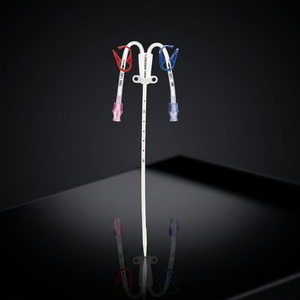
| Thermosensitive TPU Catheters | Medical Polyurethane with BaSO4 Radiopacity | High kink resistance & bursting pressure | Non-degradable vascular access (Up to 30 days / Tunneled) | Long-term hemodialysis, central venous catheterization, ICU access. |
The global market for surgical sutures and vascular access disposables is undergoing a systemic evolution driven by stringent healthcare regulatory frameworks, value-based procurement models, and an escalating global burden of chronic kidney disease (CKD) requiring renal replacement therapy.
Surgical site infections (SSIs) represent one of the highest cost drivers in post-operative care. Future procurement guidelines from Ministry of Health (MoH) tenders increasingly specify sutures coated with broad-spectrum antimicrobial agents like Chlorhexidine or Triclosan. Similarly, hemodialysis catheters featuring heparin-grafted or silver-nanoparticle impregnated surfaces are rapidly becoming standard to prevent central line-associated bloodstream infections (CLABSI) and catheter lumen thrombosis.
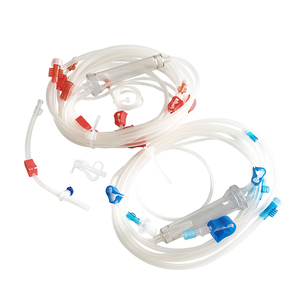
Global hospital networks and medical device importers are actively consolidating their vendor bases to mitigate supply chain vulnerabilities. Preference is given to integrated manufacturers capable of supplying cross-departmental disposables—spanning renal care (dialysis catheter kits, AV fistula needles), airway management, and wound closure. Crucially, suppliers must provide instant access to ISO 13485 QMS certificates, CE MDR technical documentation, Free Sale Certificates (FSC), and ISO 10993 biocompatibility testing packages.
As a veteran exporter since 1988, Mediplus (Shree Umiya Surgical Pvt. Ltd.) continues to pioneer manufacturing technologies that set benchmarks across international medical markets:
Combining 36+ years of specialized medical device engineering with scale, compliance, and custom OEM capabilities.
From medical-grade plastic granule compounding and injection molding to cleanroom manual assembly and final packaging, every production phase occurs in-house at our Vatva, Ahmedabad industrial facility.
Our products are registered and actively distributed across the European Union, Middle East, Latin America, Southeast Asia, CIS regions, and Africa, backed by comprehensive Ministry of Health registration dossiers.
We provide complete private-label manufacturing services, including buyer-specified outer box design, customized blister packaging, localized IFU translation, and UDI barcoding compliant with GS1 standards.
Direct technical and regulatory answers for hospital procurement officers, tender agents, and medical importers.
Our manufacturing facilities in Vatva, Ahmedabad operate under a Quality Management System certified to ISO 13485 and ISO 9001. Our core product lines hold CE certifications under the EU MDR pathway. Manufacturing takes place inside certified ISO Class 7 and Class 8 cleanrooms with batch-wise biological indicator testing, sterilisation release certs, and CoA documentation provided with every container.
Yes. We specialize in OEM and private-label contract manufacturing for international distributors. We offer custom catheter lengths, custom French sizes, customized suture needle profiles, localized multi-language Instructions for Use (IFU), and custom box artwork including GS1-compliant UDI barcoding. Proof artwork validation typically takes 5–7 working days.
Standard catalog items carry an MOQ of 1 pallet per SKU, whereas customized OEM private-label programs begin at a single mixed 20-foot container. Catalogue export orders typically ship within 3–4 weeks from order confirmation. Orders requiring custom tooling or new registration approvals ship in 6–8 weeks via Mundra or Nhava Sheva ports under FOB, CIF, or CFR terms.
Products are sterilized using Ethylene Oxide (EO) gas or Gamma Irradiation in accordance with ISO 11135 and ISO 11137. Each batch is validated with chemical and biological indicators, EO residual gas chromatograph testing, and accelerated age stability testing. Sterile medical disposables carry a validated shelf life of 3 to 5 years depending on packaging configuration.
Our regulatory affairs department provides full technical files (STED format), Free Sale Certificates (FSC), ISO 13485 certificates, CE certificates, ISO 10993 biocompatibility test summaries, and legalised/apostilled document packages required for health authority registrations across Latin America, the Middle East, Africa, CIS, and Asia.
Our hemodialysis catheters are manufactured using premium medical-grade thermosensitive polyurethane (TPU). This material remains rigid during initial percutaneous insertion to facilitate smooth guidewire passage, but softens at body temperature inside the vein, minimizing endothelial irritation, vessel wall trauma, and lumen thrombosis.
Contact our technical sales and regulatory export desk today to request product samples, technical data sheets, or a competitive quotation for your tender requirements.