
Explore our international-grade medical disposable devices manufactured in ISO Class 7 cleanrooms, subjected to 100% EO sterilization validation, and exported to over 70 countries worldwide.
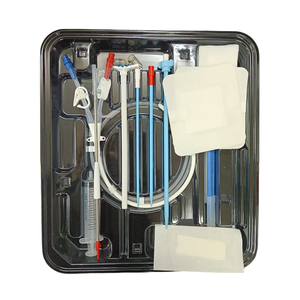
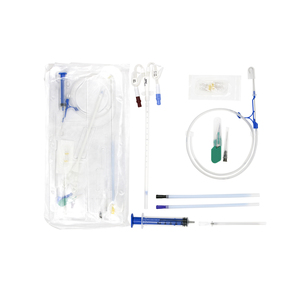
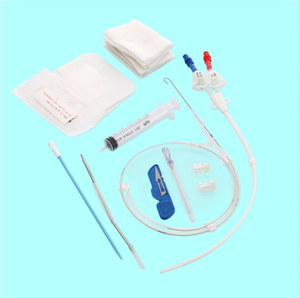
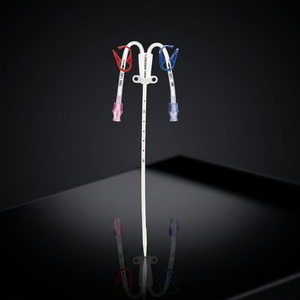
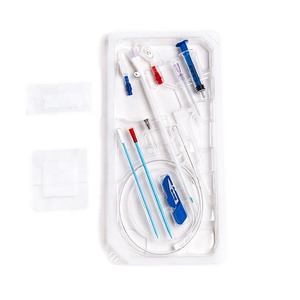
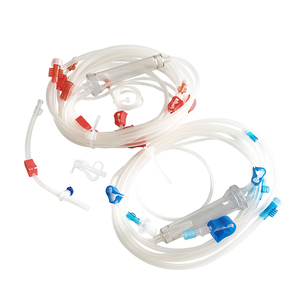
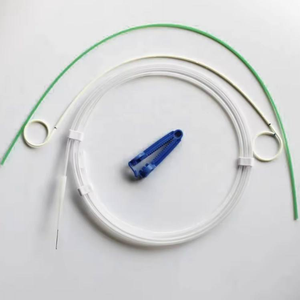
As clinical governance strictures intensify under the EU Medical Device Regulation (EU MDR 2017/745) and global Health Authorities (such as US FDA, MHRA, and GCC MoH), medical device importers, government procurement bodies, and healthcare distributors face evolving challenges in sourcing enteral nutrition and gastric access devices. Ensuring patient safety during long-term enteral nutrition therapy demands catheters engineered with strict material biocompatibility, structural integrity, and misconnection-prevention mechanisms.
This technical report evaluates the critical engineering criteria, material science, and regulatory compliance standards defining modern feeding tube manufacturing. It serves as an authoritative guide for hospital group purchasing organizations (GPOs) and international medical equipment importers evaluating CE-certified feeding tube exporters.
The selection of raw materials dictates the clinical longevity, patient comfort, and lumen stability of enteral feeding catheters. Exporters operating under ISO 13485 standards utilize specialized polymers tailored for specific clinical durations:
| Material Type | Indication & Dwell Time | Tensile & Biocompatibility Profile | Clinical & Operational Advantages |
|---|---|---|---|
| Thermoplastic Polyurethane (TPU) | Medium to Long-Term (Up to 30 Days) | High tensile strength; rigid during insertion, softens at body temperature (37°C). | Allows thinner wall construction with larger inner lumen diameter, maximizing flow rates while minimizing outer French (Fr) size. |
| Platinum-Cured Silicone | Long-Term / Permanent (Over 30 Days) | Ultra-flexible, chemically inert, resistant to gastric acid degradation. | Superior bio-compatibility, minimal tissue friction, reduced risk of mucosal irritation; ideal for PEG and long-term tunneled applications. |
| Medical-Grade Plasticized PVC | Short-Term Diagnostic / Feeding (< 7 Days) | Cost-effective, semi-rigid, crystal-clear transparency. | Economical choice for acute ward care, emergency decompression, and short-term enteral administration. DEHP-free formulations prevent leaching. |
One of the most vital transformations in clinical feeding tube manufacturing is the global migration toward the ISO 80369-3 standard, commonly referred to as the ENFit connection system. Historically, universal Luer connectors permitted accidental cross-connection between enteral feeding sets and intravenous (IV) lines, leading to severe or fatal misinfusion events.
As a premier CE-certified feeding tube exporter, our manufacturing processes incorporate orientation-specific ENFit connectors. These connectors feature a reverse-geometry design that physically prevents mating with standard Luer locks, distal ports, or epidural fittings. Importers sourcing for European, Middle Eastern, and North American markets must ensure their supplier’s technical dossiers demonstrate compliance with ISO 80369-3 for all enteral tubes, syringes, and spike sets.
To verify accurate anatomical positioning via X-ray imaging without relying on fluoroscopy contrast agents, high-grade feeding tubes integrate a continuous radiopaque sentinel line (comprising 20% to 40% Barium Sulfate ($BaSO_4$) compounded directly into the polymer matrix). Furthermore, indelible, non-toxic numerical depth markings placed at 1 cm intervals along the catheter shaft allow nursing staff to continuously monitor for accidental displacement or distal tube migration.
Shree Umiya Surgical Pvt. Ltd. (Mediplus) combines over three decades of medical device manufacturing experience in Ahmedabad, India, with world-class cleanroom robotics and international regulatory compliance.
Operating under fully audited ISO 13485 and ISO 9001 quality management systems, maintaining live CE technical dossiers under EU MDR pathways for seamless hospital registration.
Fully automated injection molding, tube extrusion, and assembly executed within environmental Class 100,000 cleanrooms with continuous bioburden monitoring.
Validated Ethylene Oxide (EO) sterilization cycles executed according to ISO 11135, backed by chemical indicators, biological indicators, and EO residue test reports.
End-to-end customization including branded packaging, customized French (Fr) sizes, customer-specified tubing lengths, multilingual IFUs, and UDI barcoding.
36+ years of export experience serving Ministry of Health tenders, dialysis networks, and wholesale hospital distributors across 70+ nations with FOB/CIF logistics.
Integrated rooftop solar generation powering green manufacturing lines in Vatva, Gujarat, minimizing the operational carbon footprint per device.
The global enteral feeding device market is experiencing rapid expansion, driven by an aging global population, rising chronic disease incidence (such as head and neck cancers, neurological disorders, and stroke), and increased hospital adoption of early enteral nutrition in intensive care units (ICUs). Procurement managers and importers must anticipate key technological shifts when selecting OEM manufacturing partners:
Emerging clinical trends indicate a transition toward feeding tubes integrated with real-time micro-sensors. These advanced catheters assist clinical teams in confirming tip position (pH measurement or micro-optical sensors) at the bedside, mitigating the risk of inadvertent bronchial placement without requiring repeated radiographic exposure. Exporters investing in advanced R&D pathways are prioritizing polymer compatibility for sensor embedding.
Bacterial colonization along catheter walls often leads to enteral lumen occlusion and hospital-acquired infections (HAIs). Future bulk procurement specifications will increasingly mandate hydrophobic or hydrogel antimicrobial coatings (such as silver nanoparticle impregnation or zwitterionic polymer surface grafting) that prevent protein adsorption and biofilm formation, extending the functional in-dwelling catheter life.
Global healthcare logistics disruptions have compelled Western and Middle Eastern healthcare systems to diversify sourcing away from single-region dependence. India, led by manufacturing hubs like Ahmedabad, Gujarat, has established itself as an premier global export center. Capitalizing on skilled biomedical engineering, integrated raw material supply chains, and competitive cost structures, Indian exporters supply CE-certified medical disposables that meet strict EU MDR standards at sustainable price points.
Direct answers provided by our regulatory affairs and export logistics division for international medical device buyers.
Our production facility operating under Shree Umiya Surgical Pvt. Ltd. (Mediplus) holds ISO 13485:2016 and ISO 9001:2015 certifications. Our feeding tube, central venous access, and hemodialysis catheter product families carry CE marking under European regulatory pathways, manufactured within certified ISO Class 7/8 cleanrooms. Full technical dossiers, biocompatibility test results (ISO 10993), and Certificates of Analysis (CoA) are provided with each consignment.
Yes, we specialize in OEM and private-label manufacturing for international medical brands and regional distributors. We provide buyer-specified artwork printing, custom carton sizing, multilingual Instructions for Use (IFU), linear and 2D UDI barcodes, and customized French size color-coding on catheter hubs. Artwork verification takes 5 to 7 business days prior to pilot batch creation.
We manufacture feeding tubes utilizing medical-grade Thermoplastic Polyurethane (TPU), platinum-cured silicone, and DEHP-free plasticized PVC based on client specifications and intended clinical dwell times. All formulations undergo rigorous testing for cytotoxicity, systemic toxicity, and hemocompatibility under ISO 10993 guidelines.
Standard catalogue SKUs have an initial MOQ starting at 1 pallet per size. For custom private-label or OEM orders, the MOQ typically begins at a consolidated 20-foot container load across mixed SKUs. Standard delivery lead time is 3 to 4 weeks following order confirmation and artwork approval, shipping via Mundra or Nhava Sheva ports on FOB, CFR, or CIF terms.
All single-use medical devices undergo Ethylene Oxide (EO) or Gamma Irradiation sterilization according to validated parameters (ISO 11135 for EO). Each batch is released only after passing biological indicator challenge tests, chemical indicator verification, and EO gas residue testing ensuring levels fall well below international limits (ISO 10993-7).
Yes. Our regulatory affairs team provides complete registration documentation packages including Free Sale Certificates (FSC), ISO 13485 and CE certificates, technical construction files, risk analysis dossiers (ISO 14971), stability testing data, and apostilled/legalized documentation required by Ministries of Health across Latin America, Africa, the Middle East, CIS, and Southeast Asia.
Upgrade your hospital supply chain with verified Indian manufacturing excellence. Contact our international export desk today to request product samples, custom OEM quotes, or complete regulatory compliance dossiers.